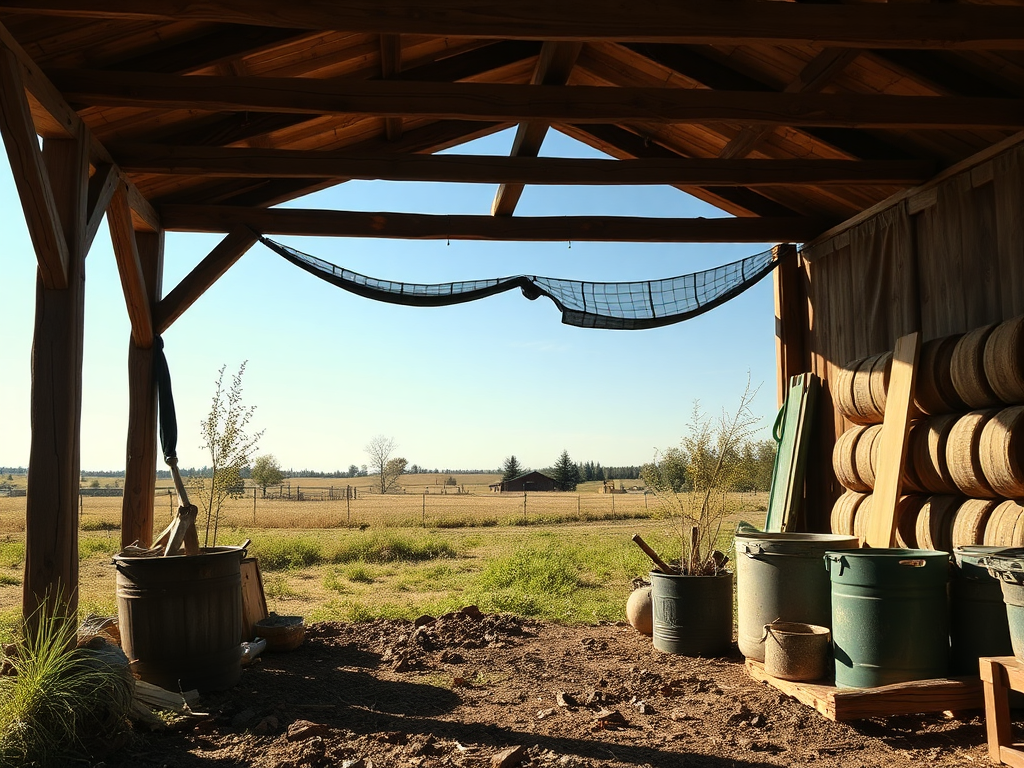
Mistakes to avoid when starting a homestead include underestimating costs, neglecting research, and failing to plan for long-term sustainability. Many beginners overlook expenses such as land preparation, tools, and livestock care, leading to financial strain. Additionally, a lack of thorough research can result in poor crop choices and ineffective practices. To succeed, prioritize a realistic budget, detailed planning, and continuous education about sustainable practices.
Underestimating Costs
Starting a homestead often comes with unexpected expenses that can catch new homesteaders off guard. Many individuals underestimate the costs of land, equipment, seeds, livestock, and ongoing maintenance. For instance, while the purchase price of land might seem manageable, additional expenses like property taxes, utilities, and potential repairs can quickly add up. It’s crucial to create a detailed budget that includes all foreseeable costs associated with homesteading.

Moreover, many beginners fail to account for the recurring costs of running a homestead, such as feed for animals, fertilizers, and water access. This oversight can lead to financial strain and may even force some homesteaders to abandon their dreams. To avoid this mistake, conduct thorough research and create a comprehensive financial plan that considers both initial investments and ongoing expenses.
Neglecting Research and Education
One of the most significant mistakes new homesteaders make is not investing enough time in research and education before diving into their projects. A lack of understanding about local climates, soil types, and suitable crops can lead to poor decisions that impact productivity. For example, planting crops that are not suited for the local environment can result in failure and wasted resources.
Additionally, many newcomers overlook the importance of learning about animal husbandry if they plan to raise livestock. Understanding the needs of each species, including dietary requirements and health care, is vital for success. Engaging with local agricultural extensions, joining homesteading forums, and reading relevant literature can provide valuable insights and help avoid common pitfalls.
Ignoring Soil Health and Preparation
Soil health is the foundation of a successful homestead, yet many beginners ignore its importance. New homesteaders often assume that any soil will support plant growth, leading to disappointing yields. Before planting, it’s essential to conduct soil tests to determine nutrient levels and pH balance, which can dictate what amendments are necessary.
For instance, if the soil is too acidic, adding lime can improve its structure and fertility. Conversely, if nutrient levels are low, incorporating compost or fertilizers can enhance soil health. Neglecting these steps can lead to poor crop performance and frustration. Therefore, investing time in soil preparation and understanding its composition is crucial for a thriving homestead.
Failing to Plan for Sustainability
Sustainability is a core principle of successful homesteading, yet many beginners fail to incorporate it into their planning. New homesteaders often focus solely on immediate outputs, neglecting to consider long-term impacts on the land and resources. For instance, over-planting or overgrazing can deplete soil nutrients and lead to erosion.
To ensure sustainability, it’s essential to create a plan that includes crop rotation, companion planting, and responsible livestock management. These practices not only maintain soil health but also enhance biodiversity and resilience against pests and diseases. By prioritizing sustainability from the outset, homesteaders can create a productive and enduring environment.
Frequently Asked Questions
What are the biggest mistakes to avoid when starting a homestead?
The biggest mistakes include underestimating costs, neglecting research, ignoring soil health, and failing to plan for sustainability.
How can I budget effectively for my homestead?
Create a detailed budget that includes land costs, equipment, seeds, livestock, and ongoing maintenance expenses.
Why is soil health important for a homestead?
Soil health is crucial as it directly affects crop yields and overall productivity; healthy soil supports strong plant growth.
How can I ensure my homestead is sustainable?
Incorporate practices like crop rotation, companion planting, and responsible livestock management to maintain sustainability.
Conclusion
Starting a homestead can be an enriching experience, but avoiding common mistakes is crucial for success. By carefully planning your budget, investing in education, prioritizing soil health, and focusing on sustainability, you can create a thriving homestead. Remember, preparation and informed decisions are key to navigating the challenges of homesteading.