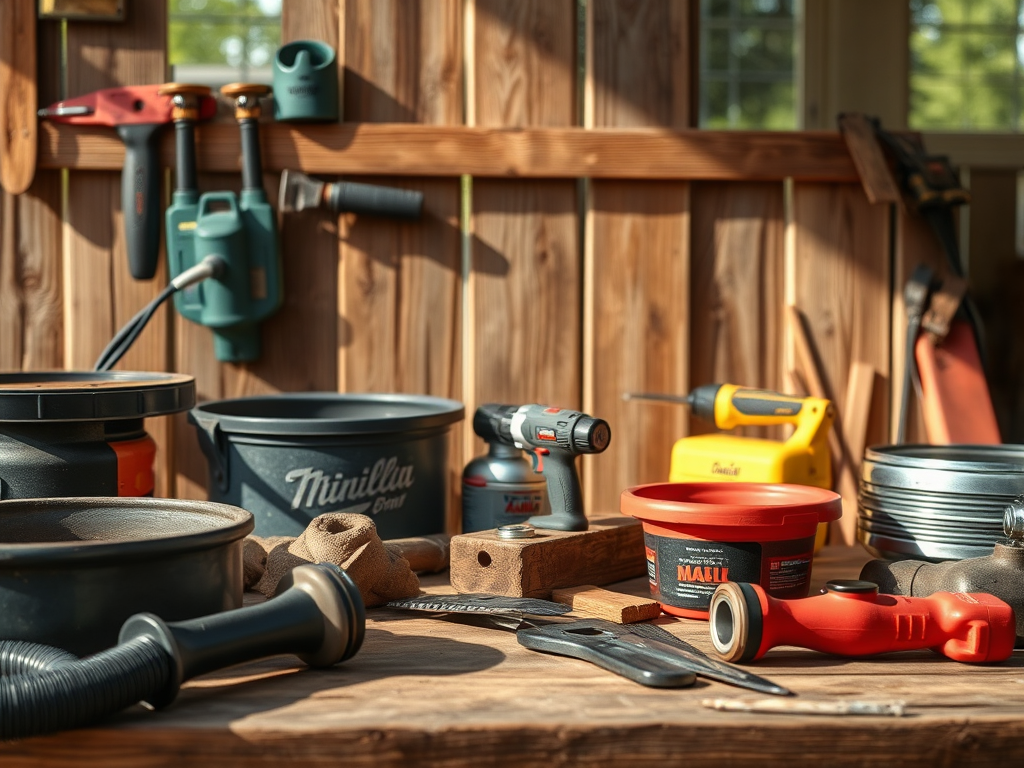
To efficiently handle repairs on your homestead, essential tools include a versatile multi-tool, a reliable power drill, and a sturdy hand saw. These tools empower you to address a wide range of tasks, from constructing furniture to maintaining fences. Prioritizing quality is vital; investing in durable tools not only enhances performance but also extends their lifespan, reducing the frequency of replacements. For instance, a high-quality power drill can significantly speed up your projects, making it easier to drive screws and drill holes accurately.
The Importance of Quality Tools
Quality tools are essential for efficient homestead repairs as they directly impact the effectiveness and safety of your projects. Investing in high-quality tools can save you time and frustration, allowing you to complete repairs efficiently and correctly. Poor-quality tools may lead to mistakes, increased repair times, and even safety hazards. Therefore, understanding the importance of having reliable tools is crucial for any homesteader.

High-quality tools not only perform better but also last longer, which is particularly beneficial for those living a homesteading lifestyle where repairs are frequent. For instance, a well-made hammer can provide better striking power and reduce the risk of breaking or damaging materials compared to a cheaper variant. Moreover, quality tools often come with warranties, adding an extra layer of security for your investment.
Must-Have Tools for Common Repairs
Essential tools for efficient homestead repairs, several items should be at the top of your list. Here are some of the must-have tools that every homesteader should consider:
- Multi-tool: A versatile multi-tool is invaluable for various tasks, from tightening screws to cutting materials. Look for one that includes pliers, wire cutters, and multiple blades.
- Power drill: A quality power drill is indispensable for drilling holes and driving screws. Choose a cordless model for added convenience.
- Hand saw: A sturdy hand saw is essential for cutting wood and other materials. A good saw should be sharp and comfortable to handle.
- Level: A level ensures that your projects are straight and true. This is particularly important for building and repairing structures.
- Measuring tape: Accurate measurements are crucial in any repair project. A retractable measuring tape is easy to use and store.
- Toolbox: A durable toolbox keeps your tools organized and protected. Choose one that can accommodate all your essential equipment.
Equipping yourself with these essential tools will prepare you for a wide range of repair tasks, from simple fixes to more complex projects.
Choosing the Right Tool for the Job
Selecting the right tool for each repair task is vital for achieving efficient results. Using the incorrect tool can lead to damage, delays, and increased frustration. Here are some tips for choosing the right tool:
- Assess the task: Before starting a repair, analyze the job requirements. Consider the materials you’ll be working with and the specific actions needed.
- Consider tool compatibility: Ensure that the tool you choose is compatible with the materials involved. For example, using a wood saw for cutting metal can result in poor performance.
- Prioritize safety: Always choose tools that you can handle safely. If a tool feels uncomfortable or unwieldy, it may not be the right choice for you.
- Read reviews: Research tools before purchasing them. User reviews can provide insights into their reliability and performance.
By carefully selecting the right tools for each specific repair task, you can enhance your efficiency and the quality of your work.

Maintenance Tips for Longevity
Maintaining your tools is crucial for ensuring their longevity and effectiveness. Here are some essential maintenance tips to keep your tools in top condition:
- Clean after use: Always clean your tools after using them to remove dirt, debris, and moisture that can cause rust and damage.
- Inspect regularly: Regularly inspect your tools for signs of wear or damage. Addressing issues early can prevent further deterioration.
- Sharpen blades: Keep saw blades, chisels, and other cutting tools sharp. Dull blades require more effort and can lead to mistakes.
- Store properly: Store your tools in a dry, secure location to prevent damage. A well-organized toolbox can help you find what you need quickly.
By following these maintenance tips, you can extend the life of your tools and ensure they are always ready for your next homestead repair project.