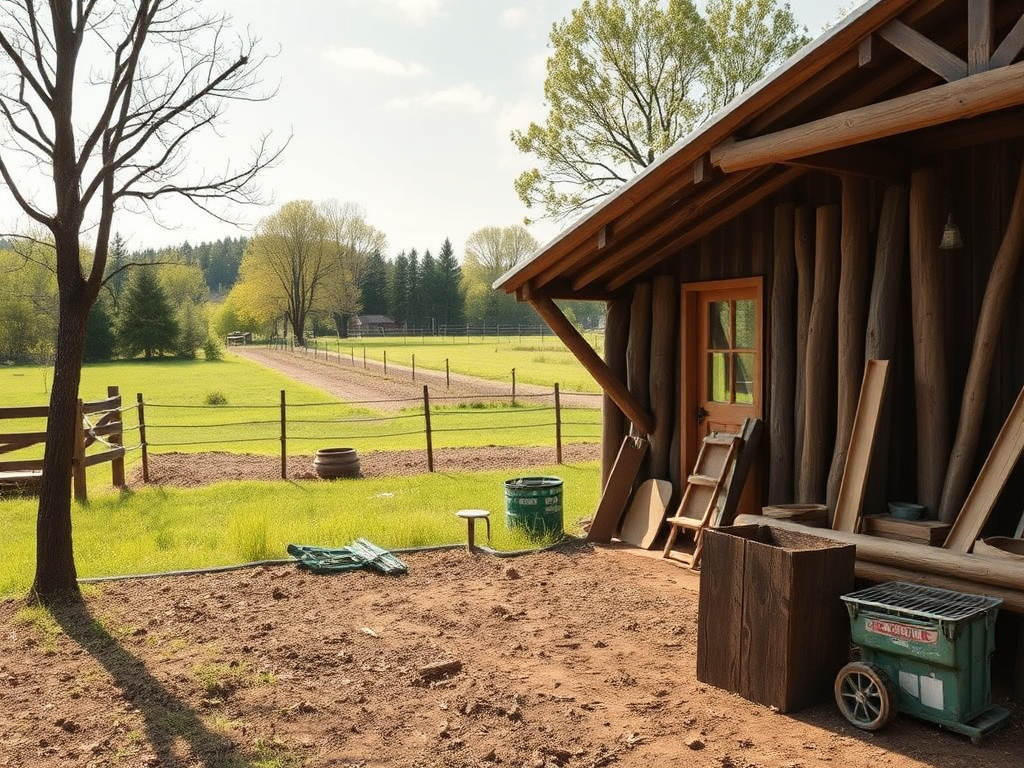
Common pitfalls in planning a homestead layout include neglecting to consider the natural landscape, failing to plan for future growth, and overlooking essential access routes. These mistakes can lead to inefficient use of space, increased labor costs, and challenges in managing resources. Prioritizing a well-thought-out design that incorporates the unique features of the land and anticipates future needs is crucial for a successful homestead.
Understanding the Landscape
One of the most significant pitfalls in planning a homestead layout is failing to understand the natural landscape. Each piece of land has unique characteristics such as topography, soil type, and existing vegetation that influence how you should design your layout. Ignoring these factors can lead to poor drainage, erosion, and inefficient plant growth.

For example, placing garden beds in a low-lying area without considering drainage can result in waterlogging, which can damage plants. Instead, conducting a thorough site analysis that includes observing sun patterns, wind direction, and water flow will help you make informed decisions about where to place structures, gardens, and livestock areas.
Additionally, understanding the microclimates on your property can enhance productivity. For instance, a south-facing slope may receive more sunlight and warmth, making it ideal for growing certain crops. Prioritizing landscape analysis in your planning will help you avoid costly mistakes and maximize your homestead’s potential.
Planning for Growth
Another common mistake is neglecting to plan for future growth and changes in needs. Many homesteaders focus solely on their current requirements, which can lead to a layout that quickly becomes inefficient as needs evolve. For example, if you start with a small vegetable garden but plan to expand into fruit orchards or livestock, your initial layout may not accommodate this growth.
When designing your homestead, consider future expansions and the potential for new projects. This might involve leaving space for additional planting areas, building structures that can be adapted or expanded, or creating pathways that allow for easy access as your homestead grows. Anticipating changes can save you time and resources in the long run.
Moreover, be mindful of zoning laws and regulations that may affect your ability to expand. Researching local guidelines can help you avoid legal issues that arise from unpermitted structures or changes. Planning for growth ensures that your homestead remains functional and adaptable over time.
Access and Movement
Efficient movement throughout your homestead layout is crucial, yet many overlook the importance of access routes. Poorly designed pathways can hinder daily tasks, such as fetching water, feeding animals, or harvesting crops. A layout that doesn’t prioritize accessibility can lead to increased labor and frustration.
When designing your layout, create clear and direct pathways that connect different areas of your homestead. Consider the most frequently traveled routes and ensure they are wide enough for wheelbarrows or other equipment. Additionally, think about the placement of gates and entrances to facilitate easy movement.

For instance, if you have livestock, placing their shelter near the garden can simplify feeding and care routines. Conversely, having to walk across the entire property to access essential areas can become burdensome and inefficient. Prioritizing access in your homestead design will enhance productivity and make daily operations smoother.
Resource Management
Effective resource management is vital for a successful homestead layout, yet many homesteaders fail to plan for the efficient use of water, energy, and materials. Overlooking how resources flow through your homestead can lead to waste and increased costs.
For example, consider the placement of water sources, such as ponds, rain barrels, or wells. Ensure that these resources are easily accessible to your garden and animal areas to minimize the effort required to transport water. Additionally, think about energy sources, such as solar panels, and place them in locations that maximize their efficiency.
Moreover, consider the materials you will use for building structures. Using local and sustainable materials can reduce costs and environmental impact. Planning for resource management involves creating a layout that minimizes waste and maximizes efficiency, ultimately contributing to a more sustainable homestead.
For those looking to deepen their understanding of effective homestead planning, resources such as local agricultural extension services and homesteading books can provide valuable insights. Additionally, online forums and communities offer practical advice from experienced homesteaders.