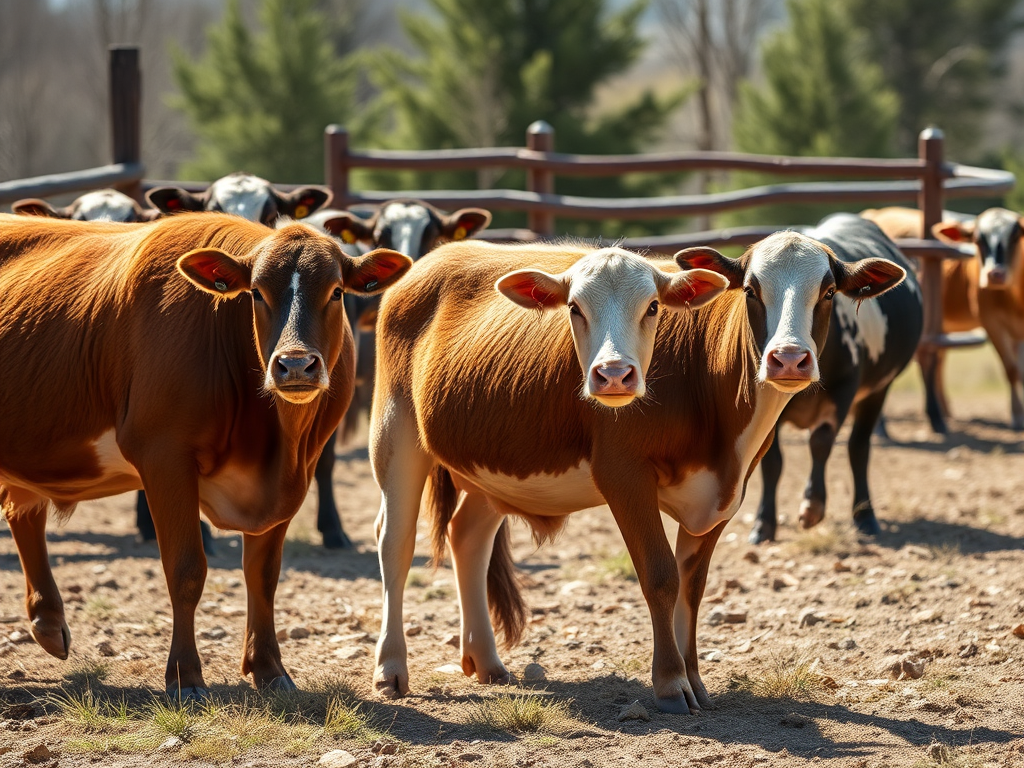
Choosing the right livestock for your needs involves assessing your goals, available resources, and the specific care requirements of different animals. Start by determining whether you want livestock for meat, milk, wool, or companionship, as this will guide your selection. Consider the space you have, the climate in your area, and the time you can dedicate to their care. Research breeds that suit your environment and skill level, as some may require more specialized care than others.
Understanding Your Livestock Needs
Identifying your primary reasons for raising livestock is crucial. Different types of livestock serve various purposes, including meat production, dairy, fiber, or even companionship. For instance, if your goal is meat production, you might consider cattle, pigs, or chickens. If you are looking for dairy, goats and cows would be more appropriate. Understanding your needs will help streamline your decision-making process.

Additionally, consider your long-term goals. Are you planning on raising livestock for personal use, or do you intend to sell products? This distinction can influence your choice significantly. For example, if you wish to sell eggs, you may want to invest in a breed known for high egg production.
Evaluating Resources and Space
Before selecting livestock, assess your available resources, including land, finances, and time. Each type of animal requires different amounts of space and resources. For example, larger animals like cattle need more grazing land compared to goats or chickens. Moreover, consider your budget for feed, shelter, and healthcare, as these can add up significantly over time.
Your location and climate also play a vital role in your choice of livestock. Certain breeds thrive in specific environments. For instance, some chickens are better suited for colder climates, while others do well in warmer areas. Evaluating your local climate and considering the animals that will adapt best can save you from future challenges.
Choosing the Right Breed
Once you have a clear understanding of your needs and resources, it’s time to dive into breed selection. Research various breeds and their characteristics, including temperament, size, and production capabilities. Some breeds are known for being more docile and easier to manage, which is essential for beginners.
For instance, if you are a first-time goat owner, you might opt for the Nigerian Dwarf breed, which is smaller and friendlier than larger breeds. On the other hand, if you’re more experienced and looking for high milk production, a Saanen or Nubian may be more suitable. Always consider breed-specific health issues and care requirements as well.
Care Requirements and Management
Understanding the care requirements for your chosen livestock is paramount for their health and productivity. Each species and breed comes with its own set of needs, including dietary requirements, housing, and socialization. For example, pigs require a secure pen and a diet high in protein, while chickens need adequate space to roam and a balanced feed to ensure egg production.
Proper management also involves regular health checks, vaccinations, and worming. Create a routine that includes these essential tasks. Additionally, consider the time commitment involved in daily care, as some animals may require more attention than others. For instance, dairy cows need to be milked daily, while chickens may only require feeding and egg collection.

Frequently Asked Questions
What factors should I consider when choosing livestock?
Consider your goals (meat, milk, fiber), available space, resources, and climate to determine the best livestock for your needs.
How much space do different livestock types need?
Space requirements vary; for example, cattle need several acres, while chickens can thrive in a smaller yard or coop.
What are the best breeds for beginners?
Breeds like Nigerian Dwarf goats, Rhode Island Red chickens, and Miniature Hereford cattle are often recommended for beginners due to their manageable care needs.
How do I manage livestock health?
Regular veterinary check-ups, vaccinations, and a balanced diet are essential for maintaining livestock health.
Can I raise livestock in an urban area?
Yes, many urban areas allow small livestock like chickens or goats, but check local regulations and consider space limitations.
Conclusion
Choosing the right livestock requires careful consideration of your goals, resources, and the specific needs of different breeds. Prioritize understanding your objectives and the space you can provide, as these will significantly influence your selection. Research breeds that fit your climate and experience level, ensuring you can meet their care requirements. Taking these steps will help you create a successful and sustainable livestock operation.