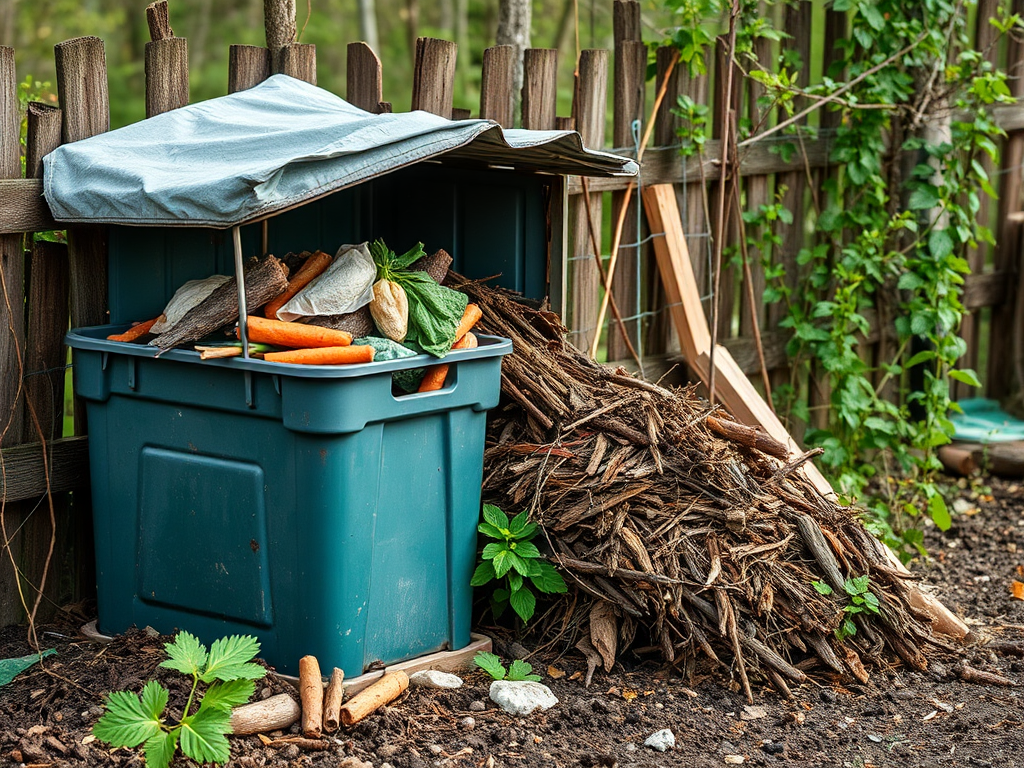
To effectively reduce waste on your homestead, focus on composting, recycling, and mindful consumption. Composting kitchen scraps and yard waste transforms them into nutrient-rich soil, significantly lowering landfill contributions. Establish a recycling system by creating designated bins for different materials, which encourages participation and proper sorting. Additionally, practice mindful consumption by purchasing only what you truly need and opting for products with minimal packaging. This holistic approach not only reduces waste but also fosters sustainable living practices that benefit both your homestead and the environment.
Composting: Transforming Organic Waste into Valuable Resources
Composting is one of the most effective strategies for reducing homestead waste, turning kitchen scraps and yard debris into nutrient-rich soil amendments. By composting organic material such as vegetable peels, coffee grounds, and grass clippings, homesteaders can significantly decrease the volume of waste sent to landfills. This process not only reduces waste but also enriches the soil, promotes healthy plant growth, and decreases the need for chemical fertilizers.

To start composting, select a suitable location for your compost bin, ideally in a shaded area to maintain moisture. Layer green materials (nitrogen-rich) such as fruit scraps and grass clippings with brown materials (carbon-rich) like dried leaves and cardboard. Turn the pile regularly to aerate it, which speeds up decomposition. A common mistake is adding too many greens, which can create a smelly, anaerobic environment. Aim for a balanced mix to ensure efficient composting.
Recycling: A Key Component of Waste Reduction
Recycling is crucial for minimizing waste on a homestead. It involves collecting and processing materials like paper, plastic, glass, and metal to create new products, thus conserving natural resources and reducing landfill waste. Homesteaders should familiarize themselves with local recycling guidelines to ensure proper sorting and disposal of recyclable materials.
For effective recycling, set up designated bins for different materials around your homestead. This encourages family members to participate in recycling efforts. It’s essential to rinse containers before recycling to avoid contamination, which can render entire batches of recyclables unusable. A common pitfall is assuming all plastics are recyclable; checking local regulations helps avoid confusion and maximizes recycling efforts.
Mindful Consumption: Making Conscious Choices
Mindful consumption involves making intentional purchasing decisions that minimize waste generation. This can include opting for products with minimal packaging, choosing bulk items, and supporting local farmers and businesses that prioritize sustainability. By being conscious of consumption habits, homesteaders can significantly reduce the amount of waste produced.
To practice mindful consumption, start by evaluating your shopping habits. Create a shopping list to avoid impulse buys and stick to items that are necessary. Additionally, consider the lifecycle of products; choosing durable goods over disposable items can reduce waste in the long run. A common mistake is overlooking the impact of single-use items. Transitioning to reusable alternatives, such as cloth bags and stainless steel containers, can greatly diminish waste output.
Creative Reuse: Upcycling and Repurposing
Creative reuse, or upcycling, involves transforming waste materials into new products or uses, extending their lifecycle and reducing waste. This approach not only minimizes waste but also encourages creativity and resourcefulness. Items that might otherwise be discarded can be repurposed into functional or artistic pieces.
Examples of upcycling include turning old jars into storage containers, using pallets for furniture, or creating garden planters from discarded tires. Engaging in upcycling projects can be a fun family activity that promotes sustainability. However, be cautious of the quality and safety of materials used for repurposing. Not all items are suitable for upcycling, especially when they contain harmful substances. Always research and ensure that the materials are safe for their new intended use.
Frequently Asked Questions
What types of materials can I compost?
You can compost kitchen scraps like vegetable peels, coffee grounds, and eggshells, as well as yard waste such as grass clippings and leaves. Avoid meats and dairy products.
How do I start a recycling program at home?
Begin by setting up separate bins for paper, plastics, metals, and glass, and educate your family about what can be recycled in your area.
What are some examples of mindful consumption?
Examples include buying in bulk, choosing products with minimal packaging, and selecting durable items over disposable ones.
How can I creatively reuse items around my home?
Items like glass jars can be used for storage, old furniture can be refurbished, and worn clothing can be turned into cleaning rags or quilts.
Why is composting beneficial for my garden?
Composting enriches the soil with nutrients, improves soil structure, and helps retain moisture, leading to healthier plants and reduced need for chemical fertilizers.
Conclusion
Reducing waste on your homestead is achievable through composting, recycling, mindful consumption, and creative reuse. Each strategy contributes to a more sustainable lifestyle while promoting environmental responsibility. Start by implementing one or two methods and gradually expand your efforts to create a significant impact. Remember, every small change counts in the journey towards reducing waste effectively.