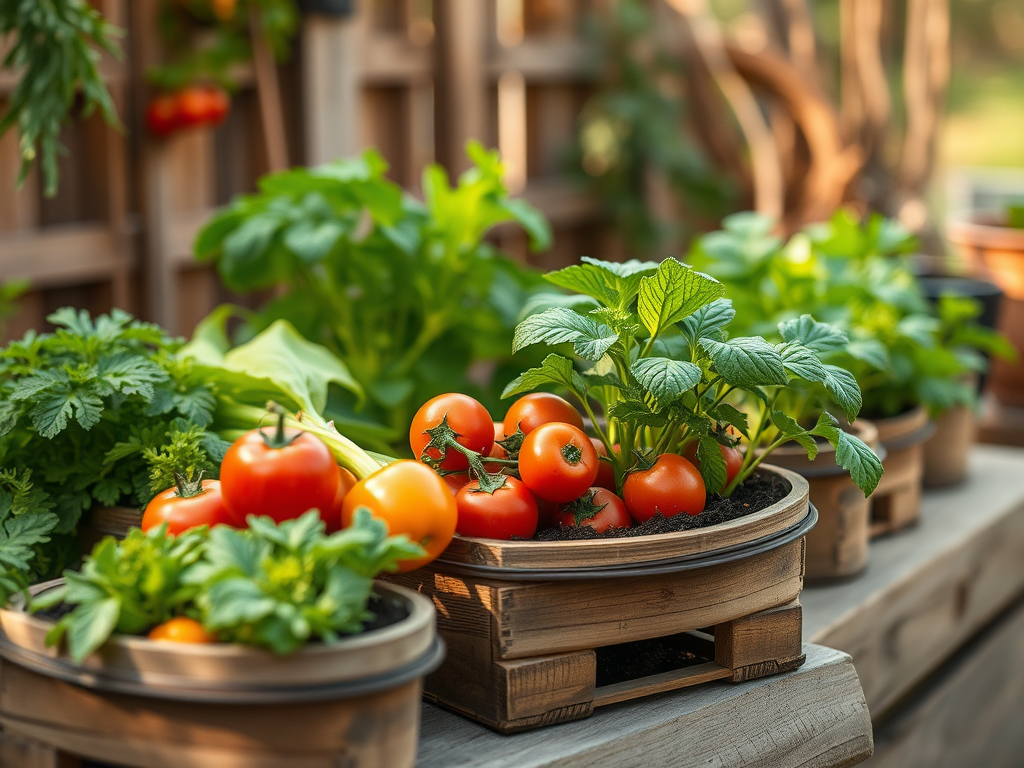
The best crops for small space gardening include compact varieties of vegetables and herbs like cherry tomatoes, radishes, and basil, which thrive in limited areas. These plants grow quickly, offer high yields, and can be easily managed in containers or raised beds. Selecting the right crops allows gardeners to maximize their harvest while minimizing space use, ensuring a productive garden even in tight quarters.
Choosing the Right Crops for Small Spaces
When gardening in limited spaces, selecting the right crops is crucial for maximizing yield and ensuring a successful harvest. Compact vegetables and herbs are ideal for small space gardening, as they grow well in containers or small beds. Popular choices include cherry tomatoes, which are prolific and can be grown vertically, saving space. Leafy greens like spinach and lettuce can be harvested continuously, providing fresh salads throughout the season. Additionally, radishes and carrots are quick-growing root vegetables that thrive in shallow soil, making them perfect for small gardens.

Another consideration is the growth habit of the plants. Vining crops such as cucumbers and peas can be trained to grow upwards, allowing for more efficient use of space. Furthermore, dwarf varieties of popular vegetables, including bush beans and mini peppers, are specifically bred for small gardens, producing ample harvests without requiring extensive room.
Container Gardening: Best Practices
Container gardening is an excellent method for small space gardening, allowing for flexibility and easy maintenance. When choosing containers, opt for ones that are large enough to accommodate the root systems of your chosen crops. For instance, a 5-gallon container is suitable for growing tomatoes, while smaller pots can work for herbs like thyme and parsley.
Ensure that your containers have proper drainage to prevent waterlogging, which can lead to root rot. Using high-quality potting soil is also essential, as it provides the necessary nutrients and structure for healthy plant growth. Regular watering is vital in container gardening, as pots can dry out quickly, particularly in sunny locations.
Another key practice is to rotate your crops in containers each season. This helps prevent soil depletion and reduces the risk of pest and disease buildup. By changing the types of plants grown in each container annually, you can maintain soil health and productivity.
Companion Planting for Small Gardens
Companion planting can significantly enhance the productivity of your small space garden. This technique involves planting different crops in proximity for mutual benefits, such as pest control, improved growth, and increased yields. For example, planting basil alongside tomatoes can enhance the flavor of the tomatoes while deterring pests like aphids.
Another effective combination is the pairing of carrots and onions, where the scent of onions helps repel carrot flies. Utilizing companion planting not only maximizes the use of space but also creates a balanced ecosystem within your garden, reducing the need for chemical pest control methods.
Maintaining Your Small Space Garden
Regular maintenance is key to the success of a small space garden. This includes consistent watering, weeding, and monitoring for pests and diseases. Implementing a schedule for watering, especially during dry spells, will help ensure your plants remain healthy and productive. Additionally, mulching around plants can help retain soil moisture and suppress weeds.
Fertilizing your crops is another critical aspect of maintenance. Using organic fertilizers can provide the necessary nutrients without harming beneficial soil organisms. Pay attention to the specific needs of each plant type, as some may require more nutrients than others.
To wrap up, be vigilant about pest control. Regularly inspect your plants for signs of infestation and take immediate action if pests are detected. Utilizing organic pest control methods, such as introducing beneficial insects or using neem oil, can help keep your garden thriving without harmful chemicals.

For those interested in expanding their knowledge about small space gardening, various resources are available. Consider visiting local agricultural extensions or reputable gardening websites for specific advice tailored to your region’s climate and soil conditions.
Frequently Asked Questions
What are the best vegetables for small space gardening?
Some of the best vegetables for small space gardening include cherry tomatoes, radishes, lettuce, and compact varieties of peppers and cucumbers.
Can herbs be grown in small spaces?
Yes, herbs like basil, parsley, and chives thrive in small spaces and can be grown in containers or small garden beds.
How do I maintain a small space garden?
Maintaining a small space garden involves regular watering, weeding, fertilizing, and monitoring for pests to keep plants healthy and productive.
Is container gardening effective for small spaces?
Yes, container gardening is highly effective for small spaces, allowing for flexibility in plant placement and easier maintenance.
What is companion planting?
Companion planting is the practice of growing different plants together to enhance growth, deter pests, and maximize space efficiency.
Further Reading
Authoritative Sources
- Cooperative Extension Gardening Resources
extension.orgResearch-based gardening, soil, plant-care, and home-growing education.
- EPA Safe Pest Control
epa.govOfficial information for safer pest-management decisions.
- USDA National Agricultural Library
nal.usda.govAgricultural and plant-science research resources.
- USDA NRCS Soil Resources
nrcs.usda.govOfficial soil health, conservation, and water-management information.