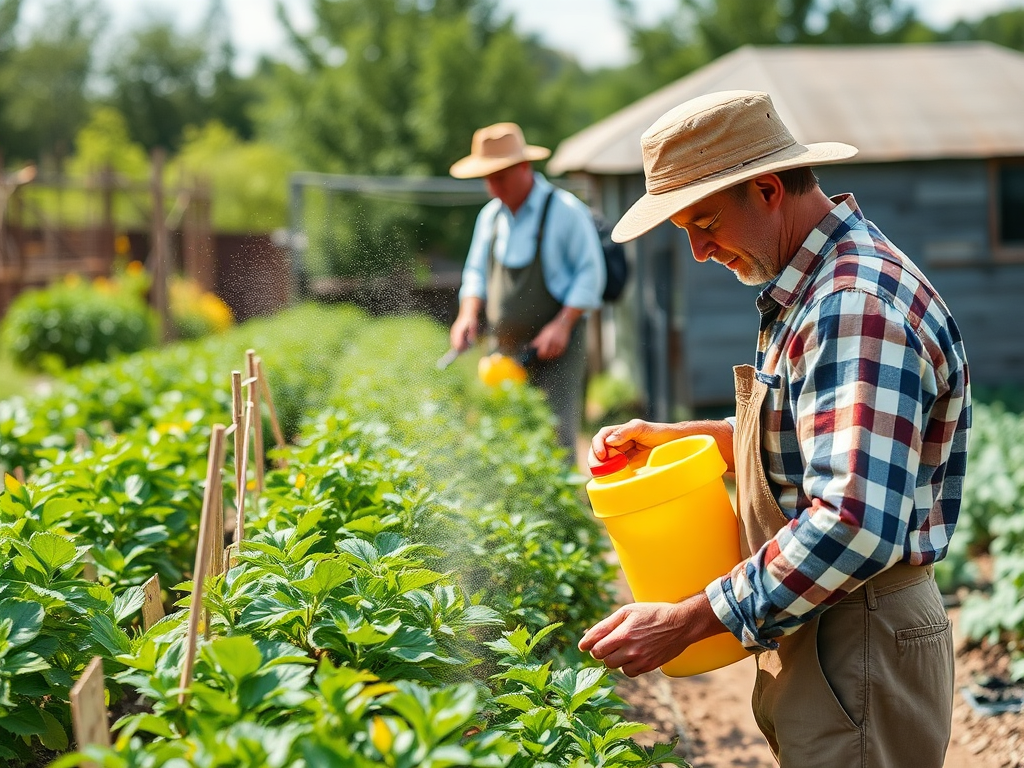
To build effective pest management strategies, adopt an Integrated Pest Management (IPM) approach that combines biological, cultural, and chemical methods. Start by monitoring pest populations and understanding their life cycles to time interventions appropriately. Employ natural predators, like ladybugs, to control pests while minimizing chemical use. Additionally, consider crop rotation and planting pest-resistant varieties to enhance resilience against infestations. This multifaceted strategy not only reduces reliance on pesticides but also promotes a healthier ecosystem.
Understanding Integrated Pest Management
Integrated Pest Management (IPM) is a holistic approach that combines different management strategies to control pests effectively while minimizing risks to human health and the environment. Understanding IPM is crucial for developing effective pest management strategies because it emphasizes the importance of monitoring and understanding pest populations and their natural enemies. By integrating biological, cultural, and chemical methods, IPM aims to maintain pest populations at acceptable levels rather than attempting to eradicate them entirely.
One common misconception about pest control is that chemical pesticides are the only solution. However, relying solely on chemicals can lead to resistance in pest populations, making them harder to manage over time. Instead, IPM encourages farmers to assess their specific conditions and apply the most suitable combination of strategies. For example, a farmer might use pest-resistant crop varieties, employ beneficial insects, and strategically apply pesticides only when necessary.
Biological Control Methods
Biological control involves using natural predators or parasites to manage pest populations. This method can be highly effective and sustainable, as it often leads to a self-regulating pest population. For instance, introducing ladybugs can help control aphid populations, reducing the need for chemical treatments. The success of biological control relies on understanding the ecosystem and ensuring that the introduced species do not become pests themselves.
When employing biological methods, it’s essential to monitor the effects on both the target pest and the ecosystem. Farmers should consider factors such as the life cycle of the pest, the timing of introductions, and the compatibility of the natural enemies with existing crop systems. A practical example is using parasitic wasps to control caterpillar pests in vegetable crops, which can significantly reduce damage without harming beneficial insects.
Cultural Practices for Pest Management
Cultural practices encompass various agricultural techniques that can help prevent pest infestations. Crop rotation, for instance, disrupts the life cycles of pests and diseases by alternating crops in a specific sequence. This method can significantly reduce pest populations and enhance soil health, ultimately leading to improved crop yields.
Another cultural practice is the timing of planting and harvesting. By synchronizing these activities with pest life cycles, farmers can avoid peak pest populations. For example, planting early or late in the season may help crops avoid specific pests that thrive during standard planting times. Implementing these practices requires careful planning and knowledge of local pest behavior, but the long-term benefits include reduced pest pressure and lower input costs.
Chemical Control and Its Role
Chemical control remains a critical component of pest management strategies, particularly when pest populations exceed economic thresholds. However, it’s crucial to use pesticides judiciously to minimize negative impacts on non-target organisms and the environment. Integrated Pest Management promotes the use of selective pesticides that target specific pests while preserving beneficial insects.
Farmers should be aware of the risks associated with chemical use, such as the development of resistant pest populations and potential harm to beneficial species. Implementing strategies like targeted applications and using pesticides only when monitoring indicates a need can mitigate these risks. Furthermore, understanding the re-entry intervals and pre-harvest intervals for different chemicals ensures compliance with safety regulations and helps maintain product quality.
For a deeper understanding of effective pest management strategies, consider exploring resources from agricultural extension services or publications from organizations like the USDA. They provide valuable insights into the latest research and practical applications of Integrated Pest Management.

Frequently Asked Questions
What is Integrated Pest Management?
Integrated Pest Management (IPM) is a comprehensive approach that combines biological, cultural, and chemical methods to manage pests sustainably.
How can biological control help with pest management?
Biological control uses natural predators or parasites to reduce pest populations, promoting ecological balance and reducing reliance on chemicals.
What cultural practices can prevent pest infestations?
Cultural practices like crop rotation, planting timing, and maintaining soil health can disrupt pest life cycles and reduce infestations.
When should chemical control be used?
Chemical control should be used as a last resort when pest populations exceed economic thresholds and other methods are insufficient.
What are the risks of using pesticides?
Risks include the development of pesticide-resistant pests, harm to beneficial insects, and potential negative impacts on human health and the environment.