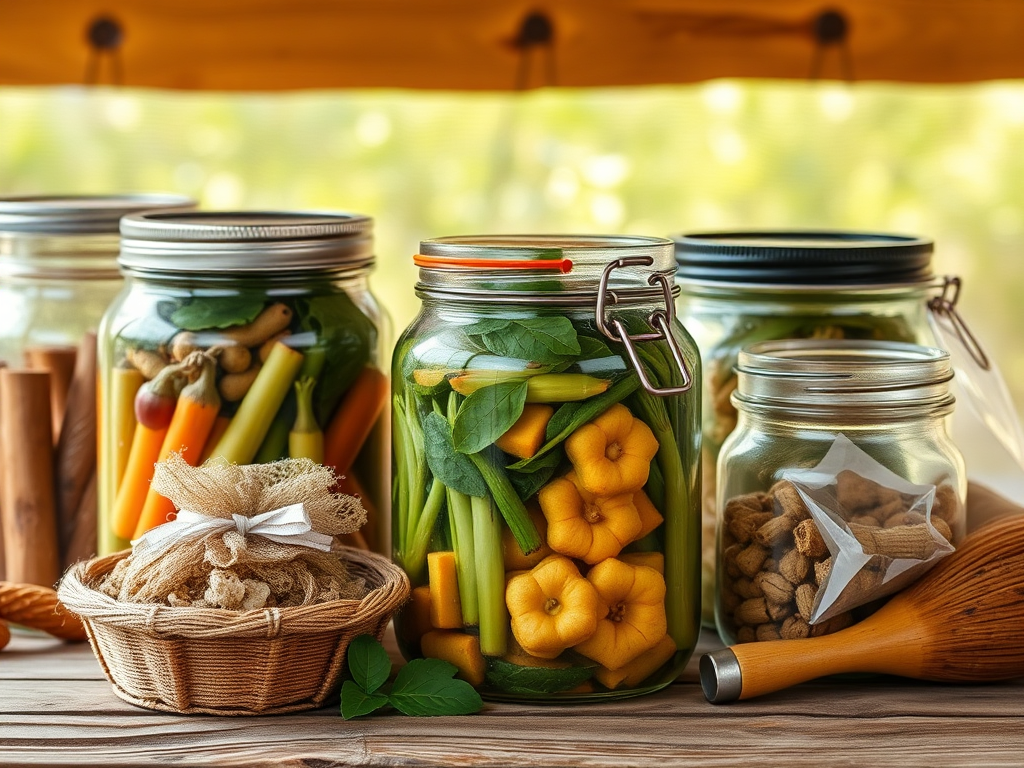
Best practices for preserving harvests without power include techniques such as canning, drying, and fermenting, which help maintain food quality and prevent spoilage. Canning involves using jars and heat to create a vacuum seal, while drying removes moisture to inhibit bacterial growth. Fermenting utilizes beneficial bacteria to preserve and enhance flavors. These methods are essential for extending the shelf life of your harvest and ensuring food security, especially in off-grid situations.
Canning: A Time-Tested Method
Canning stands as one of the most reliable methods for preserving harvests without the need for power. This technique involves sealing food in jars and heating them to create a vacuum seal, effectively halting spoilage and extending shelf life. While canning is particularly effective for fruits, vegetables, and sauces, it requires adherence to strict guidelines to ensure safety and effectiveness.
When canning, the process typically involves using a pressure canner or a water bath canner. The choice between these methods often depends on whether the food is low-acid or high-acid. Low-acid foods, such as green beans and corn, require pressure canning to prevent the growth of harmful bacteria, while high-acid foods like tomatoes and pickles can be safely processed in a water bath.
One of the most critical aspects of canning is avoiding underprocessing, which can lead to spoilage and health risks. Always consult local extension services for recommended processing times specific to the food type you are preserving. Additionally, ensure that jars and lids are sterilized to prevent contamination.
In comparison to other preservation methods, canning is labor-intensive and requires specialized equipment. However, the long shelf life of canned goods often makes the effort worthwhile, providing a reliable food source during off-seasons or emergencies.
Ultimately, canning not only preserves the harvest but also captures the essence of the season, allowing you to enjoy the fruits of your labor throughout the year.
Drying: Harnessing the Power of Air
Drying is an ancient preservation method that effectively removes moisture from food, thus inhibiting the growth of bacteria, yeast, and mold. This technique can be carried out using various methods, including solar drying, air drying, or low-temperature oven drying. Each method has its own advantages, making drying a versatile option for preserving harvests without power.
When drying foods, it is essential to cut them into uniform pieces to promote even drying. For instance, slicing fruits like apples or vegetables like peppers into consistent thickness ensures that they dry uniformly, avoiding both spoilage and chewy, under-dried pieces. A common pitfall in the drying process is failing to dry foods long enough. Properly dried foods should be brittle or leathery, depending on the item. Testing for dryness is crucial; for example, dried herbs should crumble easily, while fruits should not feel sticky.
While drying is a straightforward process, it does require attention to detail. Factors such as humidity, temperature, and airflow can significantly impact the drying process. In humid environments, using a solar dryer may be less effective, and additional measures may be needed to ensure proper air circulation.
Compared to canning, drying is less equipment-intensive and can be done with simple tools. However, dried foods typically have a shorter shelf life than canned goods, making it essential to store them in airtight containers in a cool, dark place to maximize their longevity.
To wrap up, drying not only preserves food but also concentrates its flavors, making it a favored method among many homesteaders.
Fermenting: Preserving with Probiotics
Fermentation is a fascinating preservation process that harnesses the power of beneficial bacteria to convert sugars into acids, thus preserving food while adding unique flavors and nutritional benefits. Commonly fermented foods include sauerkraut, kimchi, and pickles, all of which can be made using simple ingredients and minimal equipment.
The fermentation process requires specific conditions, including the right temperature and salt concentration, to ensure that the beneficial bacteria thrive while inhibiting harmful bacteria. For example, when making sauerkraut, a typical ratio is about 2% salt to the weight of the cabbage. Using too little salt can promote the growth of unwanted bacteria, leading to spoilage.
In terms of advantages, fermentation not only extends the shelf life of produce but also enhances its nutritional profile, introducing probiotics that can aid digestion and boost gut health. However, it does require patience and attention; the fermentation timeline can vary from a few days to several weeks, depending on the food and environmental conditions.
While fermenting is relatively simple, it does come with its own set of challenges. For instance, achieving the right balance of salt and temperature is crucial for successful fermentation. Additionally, some individuals may find the sour taste of fermented foods unappealing, which could limit their willingness to incorporate these foods into their diets.
Overall, fermentation represents a unique way to preserve harvests, transforming them into flavorful, health-promoting foods that can be enjoyed year-round.
Root Cellaring: An Ancient Storage Technique
Root cellaring is a time-honored method of storing fruits and vegetables in cool, dark, and humid conditions, effectively extending their shelf life without the need for electricity. This technique is particularly beneficial for crops such as potatoes, carrots, and apples, which thrive in these natural storage environments.
The effectiveness of root cellaring lies in its ability to mimic the conditions of a natural cave, where temperature and humidity levels are stable. Ideally, root cellars should maintain a temperature of around 32°F to 40°F and a humidity level of 85% to 95%. Achieving these conditions can be challenging, especially in warmer climates, but various strategies can help, such as using straw or sand to maintain humidity and prevent rot.
One common issue with root cellaring is the risk of rot or sprouting if humidity levels are not carefully monitored. Regular checks on stored produce are essential to catch any signs of spoilage early. Additionally, some crops may not store well together; for example, apples emit ethylene gas, which can hasten ripening and spoilage in nearby vegetables.
Compared to other preservation methods, root cellaring requires minimal equipment and can be a cost-effective solution for long-term storage. However, it does require knowledge of which crops store well together and an understanding of the optimal conditions for each type of produce.
Ultimately, root cellaring offers a sustainable way to preserve your harvest, allowing for fresh produce access throughout the winter months.
Choosing the Right Preservation Method
When it comes to selecting the best preservation method for your harvest, several factors come into play, including the type of food, available resources, and your long-term storage goals. Each preservation method has its own set of advantages and limitations that can influence your decision.
For instance, canning is excellent for long-term storage, but it requires more equipment and knowledge, making it less accessible for beginners. Conversely, drying is less equipment-intensive and can be done with basic tools, but it may not provide the same long shelf life as canned goods. Fermenting offers both preservation and health benefits, but it requires attention to detail and may not appeal to everyone’s palate.
Moreover, certain foods lend themselves better to specific methods. High-acid foods, such as tomatoes, are ideal for canning, while root vegetables like potatoes are better suited for root cellaring. Understanding these nuances can help you maximize the potential of your harvest.
Ultimately, the best preservation method is one that aligns with your specific circumstances and preferences. Experimenting with various techniques can also be beneficial, allowing you to discover what works best for you and your family. By making informed decisions, you can ensure that your harvest is preserved effectively, providing sustenance and enjoyment for months to come.
Frequently Asked Questions
What are the best methods for preserving harvests without power?
The best methods include canning, drying, fermenting, and root cellaring, each with unique benefits for food longevity.
Can I can food without electricity?
Yes, you can use a pressure canner or water bath canner over a wood stove or campfire as an alternative to electricity.
How do I know when my dried food is ready?
Dried food should be brittle or leathery, and should not contain any moisture when stored in airtight containers.
What are common mistakes in fermenting?
Using too little salt or not maintaining proper temperature can lead to spoilage or undesirable fermentation outcomes.
How long can I store food in a root cellar?
Depending on the type of produce and conditions, food can last from several weeks to several months in a root cellar.
Conclusion
Preserving your harvest without power is not only practical but essential for maintaining food security. By mastering methods such as canning, drying, fermenting, and root cellaring, you can ensure that your food lasts longer and retains its nutritional value. Prioritize understanding the specifics of each technique to achieve the best results, and don’t hesitate to experiment with different methods to find what works best for you.