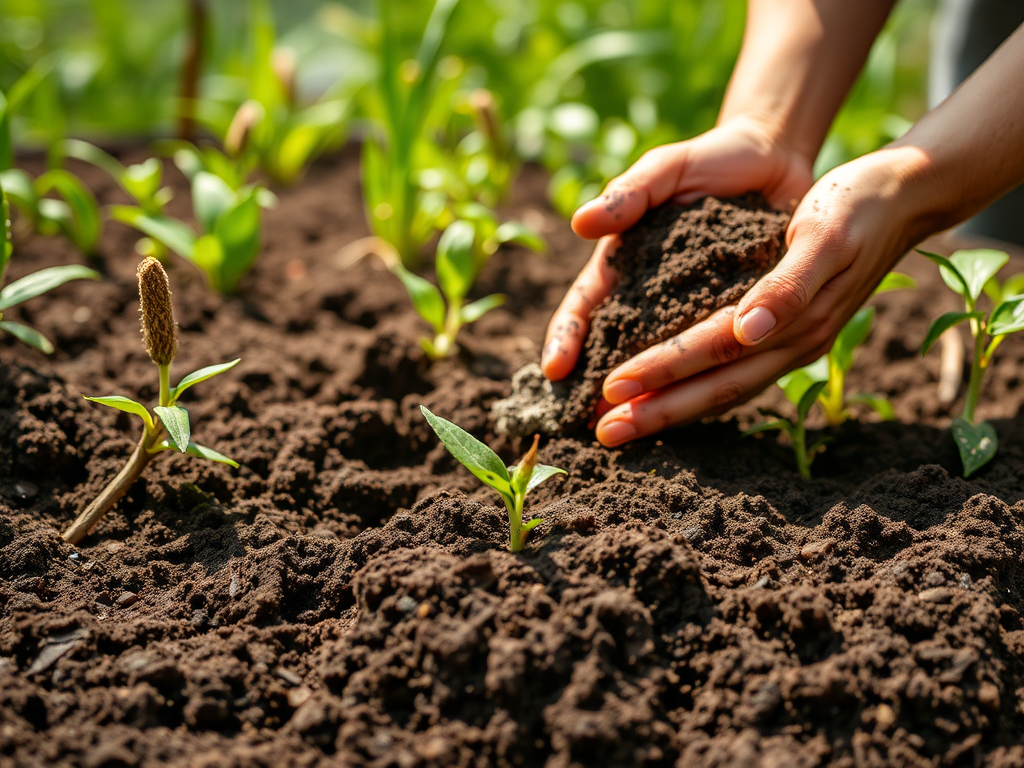
To improve soil health naturally and affordably, consider methods such as composting organic waste, utilizing cover crops, and applying natural fertilizers like manure or bone meal. Composting recycles kitchen scraps and yard waste, enhancing soil structure and nutrient content. Cover crops help prevent erosion and enhance organic matter, while natural fertilizers provide essential nutrients without harmful chemicals. These strategies not only boost soil fertility but also promote a sustainable gardening ecosystem.
Understanding Soil Health and Its Importance
Soil health is crucial for successful gardening and agriculture, affecting plant growth, nutrient cycling, and water retention. Healthy soil is rich in organic matter, has a balanced pH, and supports a diverse ecosystem of microorganisms. Improving soil health naturally is not only environmentally friendly but also cost-effective. By focusing on affordable methods, gardeners can enhance their soil’s fertility without relying on synthetic chemicals, leading to healthier plants and sustainable practices.

Many common misconceptions exist around soil health. For instance, some believe that purchasing expensive fertilizers is the only way to achieve good soil quality. However, natural methods can be just as effective, if not more so, in promoting soil vitality. Understanding the components of healthy soil and the factors that contribute to its deterioration is essential for any gardener.
Composting: A Cost-Effective Way to Enrich Soil
Composting is one of the most effective and affordable ways to improve soil health naturally. By recycling kitchen scraps, yard waste, and other organic materials, you can create nutrient-rich compost that enhances soil structure and fertility. Composting also reduces waste and minimizes the need for store-bought fertilizers.
The process of composting involves layering green materials (like fruit scraps and grass clippings) with brown materials (such as dry leaves and cardboard). This balance is essential for creating high-quality compost. Microorganisms break down these materials, resulting in a dark, crumbly substance that can be added to your garden. Not only does compost provide essential nutrients, but it also improves soil aeration and water retention.
Common mistakes in composting include adding meat or dairy, which can attract pests, and failing to maintain the right carbon-to-nitrogen ratio. Ensuring proper aeration and moisture levels is also critical for successful composting. Aim for a mix that is about 30 parts carbon to 1 part nitrogen for optimal results.
Utilizing Cover Crops for Soil Improvement
Cover crops are a fantastic way to improve soil health while also preventing erosion and suppressing weeds. These crops, planted during the off-season, help to enhance soil structure, increase organic matter, and fix nitrogen in the soil. Common cover crops include clover, vetch, and rye.
When cover crops decompose, they add organic matter back to the soil, which enhances its fertility. Additionally, they can help break up compacted soil, improving drainage and root penetration. This method is particularly beneficial for gardeners who may not have access to chemical fertilizers or who prefer sustainable practices.
A common misconception is that cover crops are only for large-scale farming. However, they can be effectively used in home gardens as well. Planting cover crops requires planning, but the long-term benefits far outweigh the initial effort. It’s important to select the right cover crop for your specific climate and soil type to maximize benefits.
Natural Fertilizers: Boosting Nutrient Levels
Natural fertilizers, such as compost, manure, and bone meal, provide essential nutrients to plants without the negative impacts of synthetic fertilizers. These organic options improve soil health by enhancing microbial activity and increasing nutrient availability over time.
For example, well-aged manure can be an excellent source of nitrogen, phosphorus, and potassium. It’s essential to use aged manure to avoid burning plants and to reduce the risk of introducing pathogens. Bone meal is another effective natural fertilizer that is high in phosphorus, promoting strong root development and flowering.
However, gardeners should be aware of potential pitfalls, such as over-fertilizing, which can lead to nutrient runoff and environmental damage. It’s advisable to conduct a soil test to identify existing nutrient levels before applying any fertilizers. This ensures that you are meeting the specific needs of your soil without excess.
Mulching: Protecting and Nourishing Your Soil
Mulching is an excellent method for improving soil health while also providing a variety of benefits, including moisture retention, temperature regulation, and weed suppression. Organic mulches, such as straw, wood chips, or shredded leaves, break down over time, adding organic matter to the soil.

Applying a layer of mulch helps to protect soil from erosion and compaction, while also promoting a healthier ecosystem for beneficial organisms. Additionally, mulching can improve soil structure and fertility, making it easier for plants to access nutrients.
One common mistake is applying mulch too thickly, which can suffocate plant roots and lead to fungal issues. A layer of 2-4 inches is typically recommended. Regularly checking and replenishing mulch as needed ensures that your soil remains healthy and well-protected.
Frequently Asked Questions
What are the signs of healthy soil?
Healthy soil typically has a dark color, good structure, and is rich in organic matter, with a diverse community of microorganisms.
How often should I compost?
Composting can be a continuous process. Regularly add kitchen scraps and yard waste throughout the year to maintain an active compost pile.
Can I use chemical fertilizers with natural methods?
While you can use chemical fertilizers, it’s advisable to rely on natural methods for better long-term soil health and sustainability.
What are some easy cover crops for beginners?
Easy cover crops for beginners include clover, rye, and buckwheat, which are simple to grow and provide excellent soil benefits.
How does mulching help soil health?
Mulching helps retain moisture, suppress weeds, and adds organic matter to the soil as it decomposes, enhancing overall soil health.
Conclusion
Improving soil health naturally and affordably is achievable through practices like composting, utilizing cover crops, applying natural fertilizers, and mulching. These methods not only enhance soil fertility but also promote sustainability in your gardening efforts. By prioritizing these techniques, you can create a thriving garden ecosystem that supports both plant health and environmental wellbeing. Start implementing these strategies today to cultivate a healthier, more productive garden.
Further Reading
Authoritative Sources
- USDA NRCS Soil Resources
nrcs.usda.govOfficial soil health, conservation, and water-management information.
- Cooperative Extension Gardening Resources
extension.orgResearch-based gardening, soil, plant-care, and home-growing education.
- EPA Safe Pest Control
epa.govOfficial information for safer pest-management decisions.
- USDA National Agricultural Library
nal.usda.govAgricultural and plant-science research resources.