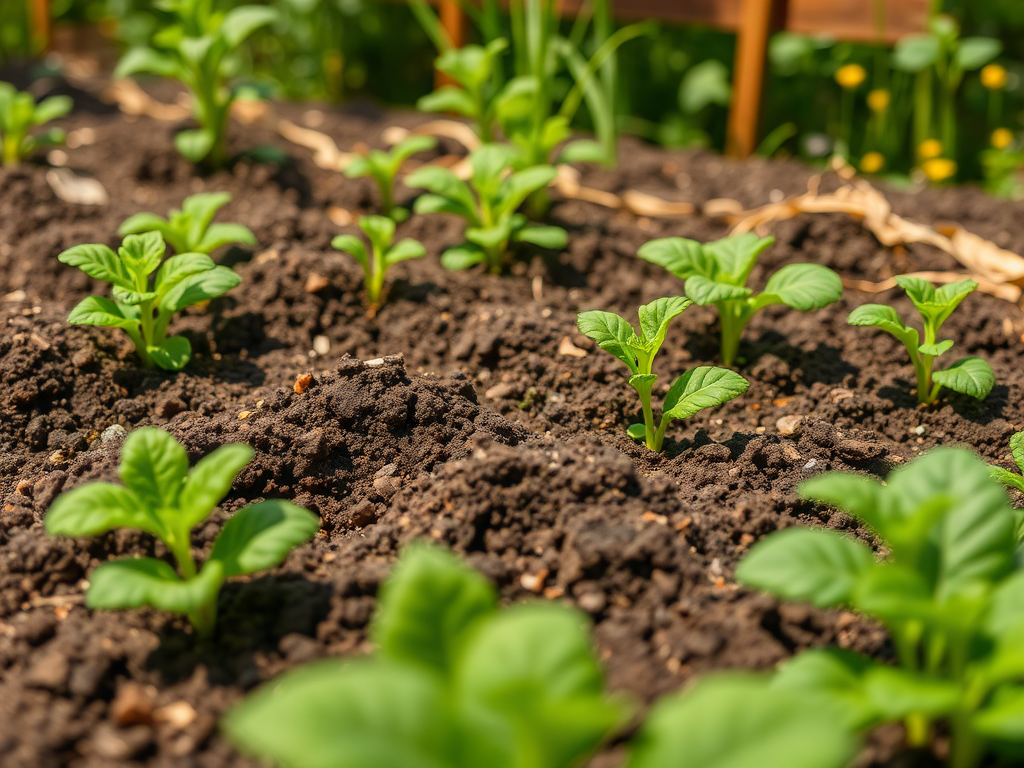
To maximize your garden's yield, focus on enhancing soil health, practicing crop rotation, and utilizing companion planting. Healthy soil, enriched with organic matter like compost, supports nutrient availability and moisture retention, which are vital for plant growth. Implementing crop rotation prevents nutrient depletion and minimizes pest issues by alternating crops each season. Additionally, companion planting can create beneficial relationships between plants, improving growth and resilience. Regular soil testing is essential to identify nutrient deficiencies and make targeted amendments, ensuring your plants receive optimal care throughout the growing season.
Understanding Soil Health
Soil health is foundational for maximizing your garden’s yield. Healthy soil promotes robust plant growth by providing essential nutrients, retaining moisture, and supporting beneficial microorganisms. To improve soil health, consider adding organic matter such as compost or well-rotted manure, which enhances nutrient availability and soil structure. Additionally, regularly testing soil pH can help you adjust nutrient levels and identify deficiencies that may hinder plant growth.
A common mistake is overlooking soil testing; many gardeners assume their soil is adequate without verifying it. Regular testing allows for targeted amendments, ensuring that plants receive the right balance of nutrients. Implementing cover crops during the off-season can also enhance soil structure and prevent erosion, contributing to a more fertile garden.
Crop Rotation Strategies
Crop rotation is a vital technique for maximizing yields by alternating the types of crops planted in a particular area each season. This practice helps prevent soil nutrient depletion and reduces pest and disease buildup. For instance, rotating nitrogen-fixing plants like legumes with heavy feeders such as tomatoes can enhance soil fertility and improve overall crop health.
Another aspect of crop rotation is timing. Planning your planting schedule based on crop needs and seasonal conditions can yield better results. For example, planting early-maturing crops before late-season varieties can optimize the use of space and resources. A common misconception is that crop rotation is only necessary for large farms; even small home gardens can benefit significantly from this practice.
Companion Planting Benefits
Companion planting involves growing different plants in proximity for mutual benefits. This technique can maximize garden yield by enhancing pest control, improving pollination, and optimizing space. For example, planting basil near tomatoes can improve tomato flavor while repelling pests like aphids.
However, not all plant combinations are beneficial. Researching compatible plants is essential to avoid negative interactions. A common mistake is overcrowding plants without considering their growth habits, which can lead to competition for nutrients and light, ultimately reducing yields. Utilizing companion planting effectively requires planning and knowledge of plant relationships, which can be enhanced through observation and experimentation.
Water Management Techniques
Effective water management is crucial for maximizing garden yield. Overwatering can lead to root rot and other issues, while underwatering can stress plants and impede growth. Implementing a drip irrigation system can improve water efficiency by delivering moisture directly to the plant roots, reducing waste and evaporation.
Mulching is another effective technique to retain soil moisture and regulate temperature. Organic mulches, such as straw or wood chips, can also improve soil health as they decompose. A common mistake is watering at the wrong times; for instance, watering during the hottest part of the day can lead to significant evaporation. Instead, aim to water early in the morning or late in the evening for optimal results.
Pest Management Approaches
To maximize your garden’s yield, implementing effective pest management strategies is essential. Integrated Pest Management (IPM) combines various methods to control pests sustainably. This approach includes cultural practices, biological control, and the judicious use of pesticides when necessary.
Encouraging beneficial insects, such as ladybugs and lacewings, can help control pest populations naturally. Additionally, regular monitoring for pest signs and maintaining garden cleanliness can prevent infestations. A common pitfall is relying solely on chemical pesticides, which can harm beneficial insects and disrupt the ecosystem. Instead, focus on preventive measures and targeted interventions to maintain a healthy garden environment.

Frequently Asked Questions
What is the best way to improve soil health?
Improving soil health can be achieved by adding organic matter, conducting regular soil tests, and using cover crops to enhance fertility and structure.
How does crop rotation affect yield?
Crop rotation helps maintain soil fertility and reduces pest buildup, leading to healthier plants and increased yields over time.
What are some examples of companion planting?
Examples of companion planting include basil with tomatoes and marigolds with various vegetables to repel pests and enhance growth.
How can I manage water effectively in my garden?
Using drip irrigation systems and applying mulch can significantly enhance water efficiency and maintain optimal moisture levels for plants.
What is Integrated Pest Management (IPM)?
IPM is a sustainable approach to pest management that combines cultural, biological, and chemical methods to control pest populations effectively.
Conclusion
Maximizing your garden’s yield involves a combination of techniques focused on soil health, crop rotation, companion planting, water management, and pest control. Prioritizing these areas will lead to a more productive garden, allowing you to enjoy a bountiful harvest. Start by assessing your soil health and implementing crop rotation strategies tailored to your garden’s specific needs. With careful planning and ongoing management, you can achieve impressive results.
Further Reading
Authoritative Sources
- USDA NRCS Soil Resources
nrcs.usda.govOfficial soil health, conservation, and water-management information.
- EPA Safe Pest Control
epa.govOfficial information for safer pest-management decisions.