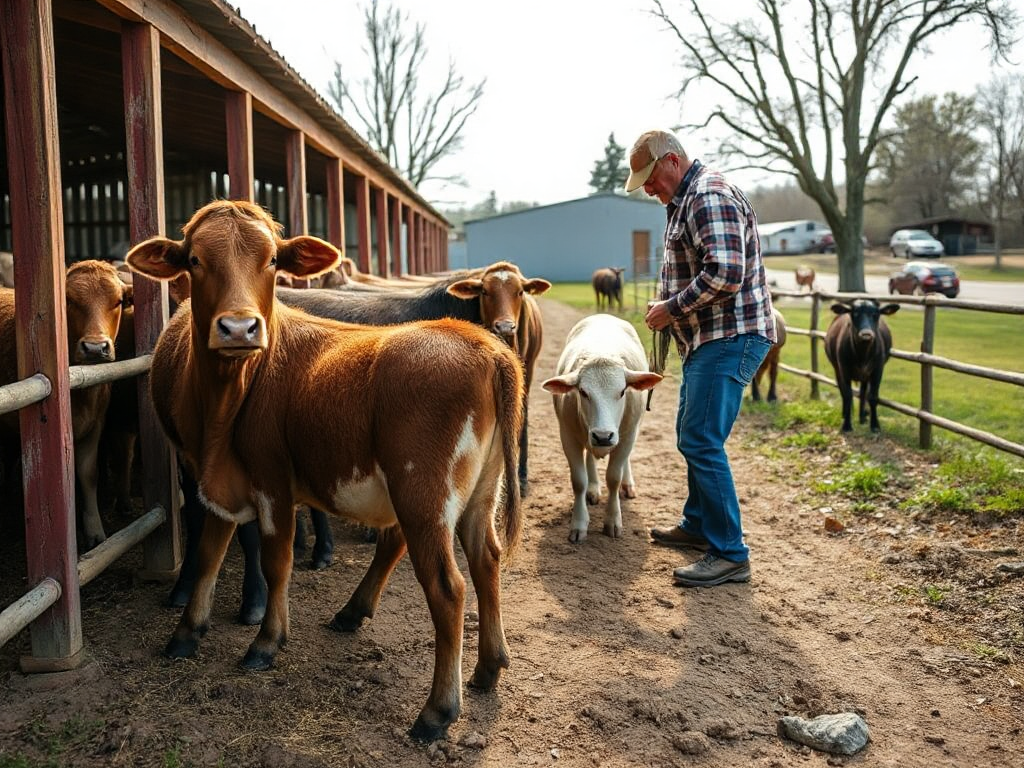
To manage livestock health on a budget, focus on preventive care, efficient feeding practices, and regular health monitoring. This includes creating a vaccination schedule, using high-quality feed to prevent diseases, and keeping accurate health records. Additionally, utilizing community resources such as local cooperative extensions can provide valuable support and knowledge for cost-effective care. Prioritizing these strategies helps maintain livestock health while minimizing expenses.
Preventive Care: The Foundation of Budget-Friendly Livestock Health
Preventive care is essential for managing livestock health effectively and economically. By implementing a robust vaccination schedule and ensuring proper parasite control, you can significantly reduce the incidence of disease, which often incurs high treatment costs. Regular veterinary check-ups, although they may seem like an added expense, are crucial for early detection of health issues that could escalate if left untreated.
For instance, vaccinations against common diseases such as bovine respiratory disease or equine influenza can prevent outbreaks that might necessitate expensive treatments or even result in livestock loss. Furthermore, establishing a routine for deworming livestock will help minimize health risks associated with parasites, which can affect growth rates and productivity.
It’s also important to maintain clean living conditions for your livestock. Regular cleaning of barns and pastures reduces the risk of infectious diseases that thrive in unsanitary environments. Implementing a strict biosecurity plan, including limiting visitor access and keeping new animals separate until they are cleared for health, further protects your herd.
Efficient Feeding Practices to Reduce Costs
Feeding livestock efficiently is one of the most effective ways to manage health on a budget. Providing high-quality feed not only promotes good health but also enhances growth rates and productivity, leading to better returns on investment. Consider formulating a balanced diet that meets the nutritional needs of your livestock without overspending.
For example, you can reduce feed costs by utilizing locally sourced grains or forage that are less expensive than commercial feeds. Additionally, supplementing with minerals and vitamins can improve overall health, reducing the likelihood of health issues that could incur higher costs down the line.
Another strategy is to implement rotational grazing. This practice allows pastures to recover while ensuring that livestock have access to fresh forage, which can improve nutrition and reduce feed costs. Moreover, providing adequate water sources and ensuring that livestock are hydrated can also enhance feed efficiency.
Regular Health Monitoring: Catching Issues Early
Regular health monitoring is critical for managing livestock health effectively. Keeping accurate health records for each animal allows you to track vaccinations, treatments, and any signs of illness. This information is invaluable in identifying patterns or recurring issues that may arise within your herd.
Conducting regular health checks allows you to spot potential problems early, such as weight loss, abnormal behavior, or signs of disease. By addressing these issues promptly, you can avoid more severe health complications that could lead to costly treatments or loss of livestock. Consider involving your local veterinarian in establishing a health monitoring program tailored to your herd’s specific needs.
Additionally, technology can play a role in health monitoring. Using apps or software designed for livestock management can streamline record-keeping and provide reminders for vaccinations and other important health tasks.
Utilizing Community Resources for Support
Community resources can significantly aid in managing livestock health on a budget. Local agricultural extensions often provide invaluable information, resources, and workshops that can help you stay informed about best practices in livestock management. They may also offer access to bulk purchasing of feed and supplies at discounted rates.

Networking with other local farmers can also provide insights and shared resources. Joining co-ops or livestock associations can lead to collective purchasing agreements, making essential supplies more affordable. Additionally, these networks can create opportunities for sharing equipment, which can be a significant cost saver.
Furthermore, online forums and social media groups dedicated to livestock management can be excellent platforms for exchanging tips, advice, and resources. Engaging with these communities can enhance your knowledge and provide support from others facing similar challenges.
Frequently Asked Questions
What are some cost-effective preventive measures for livestock health?
Implementing a vaccination schedule, regular deworming, and maintaining clean living conditions are key cost-effective preventive measures.
How can I reduce feeding costs for my livestock?
Utilizing locally sourced feed, formulating balanced diets, and implementing rotational grazing can significantly reduce feeding costs.
Why is health monitoring important for livestock?
Regular health monitoring helps catch issues early, prevents serious health complications, and ultimately saves on treatment costs.
How can community support help with livestock health management?
Community support through co-ops and shared resources can lower costs and enhance knowledge through shared experiences and advice.
Conclusion
Managing livestock health on a budget requires a strategic approach that emphasizes preventive care, efficient feeding, and regular health monitoring. By utilizing community resources and maintaining thorough records, you can effectively manage your livestock’s health while minimizing costs. Prioritizing these practices not only ensures the well-being of your animals but also enhances your overall productivity and profitability in the long run.