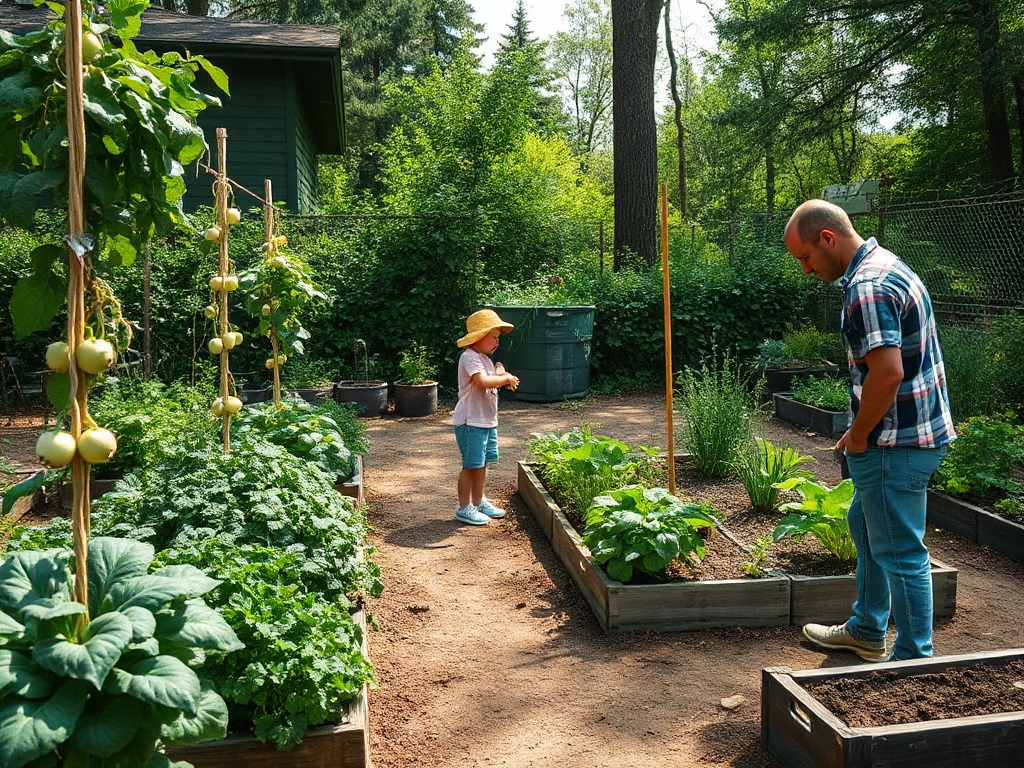
To set up a productive vegetable garden, start by selecting a sunny location with good soil drainage. Prepare the soil by testing pH levels and amending it with organic matter like compost. Plan your garden layout, considering companion planting to maximize space and yield. Water consistently and monitor for pests to ensure healthy growth. Avoid common mistakes such as overcrowding plants and neglecting soil health, which can hinder productivity.
Choosing the Right Location and Soil
To establish a productive vegetable garden, selecting the right location is crucial. Vegetables generally require at least six to eight hours of direct sunlight daily. Look for a spot in your yard that is free from shade cast by trees or buildings. Additionally, good soil drainage is essential to prevent waterlogging, which can damage roots and promote disease.
Testing your soil is a critical step before planting. You can purchase a soil test kit or send a sample to a local extension service. This will give you valuable information about the soil’s pH and nutrient levels. Most vegetables thrive in slightly acidic to neutral soil (pH 6.0 to 7.0). Based on the test results, you may need to amend your soil with organic matter such as compost or well-rotted manure to enhance fertility and structure.
Planning Your Garden Layout
Once you have a suitable location and healthy soil, it’s time to plan your garden layout. Consider using raised beds or traditional rows, depending on your space and preferences. Raised beds can improve drainage and soil quality, while traditional rows may be easier for larger gardens.
When planning your layout, think about companion planting—some plants thrive when grown together, while others can hinder each other’s growth. For example, planting tomatoes alongside basil can enhance flavor and repel pests. Additionally, consider the mature size of your plants; ensure there’s enough space between them to prevent overcrowding, which can lead to poor air circulation and increased disease risk.
Essential Care for Your Plants
After planting, ongoing care is vital for a productive vegetable garden. Regular watering is essential, especially during dry spells. Vegetables typically need about an inch of water per week, either from rainfall or irrigation. Mulching around your plants can help retain moisture and suppress weeds.
Fertilization is another key aspect of plant care. Use organic fertilizers or compost to provide essential nutrients throughout the growing season. Monitor your plants regularly for signs of pests and diseases; early detection can prevent widespread issues. Integrated pest management (IPM) practices, such as introducing beneficial insects or using organic sprays, can be effective in controlling pests without harming your garden ecosystem.

Common Mistakes to Avoid
Many novice gardeners encounter specific pitfalls that can hinder their success. One common mistake is overcrowding plants. While it may be tempting to plant as many vegetables as possible, overcrowding can lead to competition for nutrients and water, resulting in stunted growth.
Another frequent error is neglecting soil health. Failing to amend the soil or test its pH can lead to nutrient deficiencies or imbalances, negatively affecting plant growth. Additionally, gardeners often overlook the importance of crop rotation, which helps prevent soil depletion and reduces pest buildup.