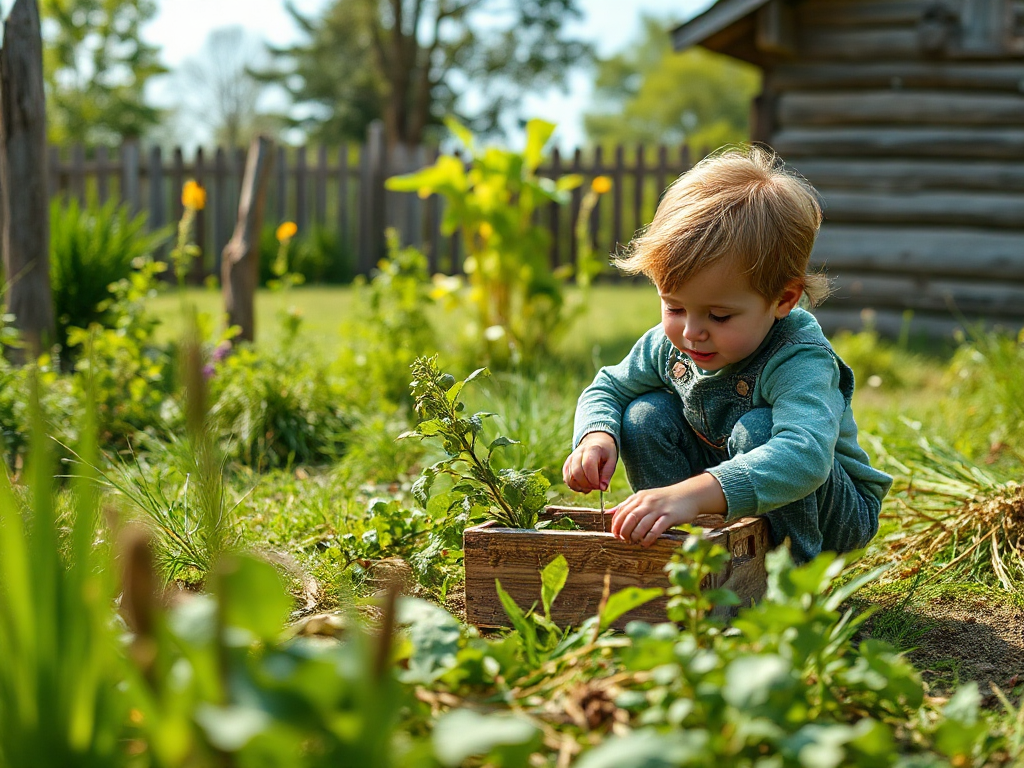
Effective methods for teaching kids homesteading skills include hands-on activities that engage their curiosity and practical techniques that foster independence. Start with simple tasks such as planting seeds, caring for animals, or cooking with homegrown produce. Using visual aids and interactive lessons can enhance their understanding. Encourage teamwork and problem-solving by involving them in real-life projects, like building a garden bed or preserving food. These experiences not only teach valuable skills but also instill a sense of responsibility and connection to nature.
Engaging Kids with Hands-On Learning
Hands-on learning is essential when teaching kids homesteading skills. Children are naturally curious, and engaging them through interactive activities helps solidify their understanding. Start with simple tasks such as planting seeds, which can be done in pots or directly in the garden. This not only teaches them about plant growth but also allows them to experience the joy of nurturing something from seed to harvest.
Involving kids in animal care is another effective method. Simple tasks like feeding chickens or collecting eggs can instill a sense of responsibility. Make it fun by turning it into a game, such as a scavenger hunt for eggs. This approach not only teaches them about animal husbandry but also helps them develop empathy and respect for living creatures.
Practical Techniques for Skill Development
Practical techniques are crucial for skill development in homesteading. Cooking with homegrown produce is a fantastic way to connect kids with their food sources. Involve them in meal preparation, from washing vegetables to measuring ingredients. This experience teaches them about nutrition, food safety, and the importance of using fresh ingredients.
Another effective method is to introduce simple DIY projects. Building a birdhouse or a raised garden bed can be a rewarding experience. These projects encourage teamwork and problem-solving as kids learn to measure, cut, and assemble materials. Providing them with tools appropriate for their age ensures safety while fostering independence.
Creating a Homesteading Routine
Establishing a routine can help kids engage consistently with homesteading activities. Designate specific days for gardening, cooking, or animal care. This not only sets expectations but also helps children develop a sense of responsibility. For instance, assigning them a day of the week to water plants or check on animals can create a sense of ownership over the tasks.
Incorporating seasonal activities can also enrich their experience. For example, in the spring, focus on planting and nurturing, while summer can be dedicated to harvesting. Fall can involve preserving food, and winter can focus on planning for the next season. This cyclical approach keeps kids engaged throughout the year and teaches them about the rhythms of nature.
Common Mistakes to Avoid
While teaching kids homesteading skills, there are common mistakes that can hinder their learning experience. One significant error is overwhelming them with too much information at once. Instead, focus on one skill or task at a time, allowing them to master it before moving on to the next. This gradual approach builds confidence and competence.
Another mistake is not allowing kids to make mistakes. It’s essential to create a safe learning environment where they can experiment and learn from failures. For example, if a plant doesn’t grow as expected, use it as a teaching moment to discuss what went wrong and how to improve next time.
For those interested in deepening their understanding of effective methods for teaching kids homesteading skills, consider exploring resources from local agricultural extensions or online homesteading communities. Many offer workshops and guides tailored to families looking to engage children in sustainable living practices.

Frequently Asked Questions
What age is appropriate for teaching kids homesteading skills?
Kids can start learning basic homesteading skills as early as preschool age, with more complex tasks introduced as they grow older.
How can I make homesteading fun for kids?
Incorporate games, challenges, and hands-on projects that allow kids to explore and learn in an engaging way.
What are some easy gardening projects for kids?
Start with container gardens, herb planters, or simple flower beds that kids can help design and maintain.
How can cooking together teach kids valuable skills?
Cooking helps kids learn about nutrition, measurements, and food safety while fostering teamwork and creativity.
What should I do if my child is not interested in homesteading?
Try to find their interests within homesteading, such as crafts, animals, or cooking, and tailor activities to those preferences.