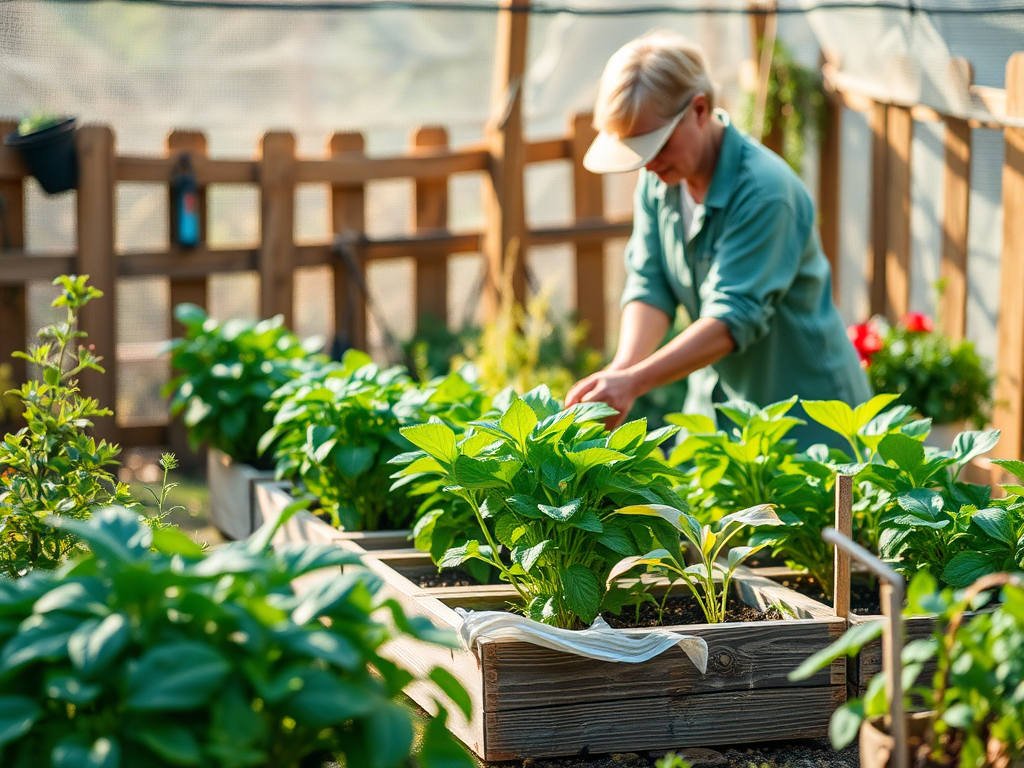
Effective strategies for organic gardening in small spaces include vertical gardening, companion planting, and container gardening. Vertical gardening allows you to grow upwards, utilizing structures like trellises to save ground space. Companion planting enhances biodiversity and can improve pest control, such as pairing basil with tomatoes. Additionally, container gardening offers flexibility and mobility, enabling you to optimize sunlight exposure. Regular maintenance and monitoring for pests are essential to ensure a thriving garden in confined areas.
Vertical Gardening Techniques
Vertical gardening is an effective strategy for maximizing limited space by growing plants upwards instead of outwards. This method is particularly beneficial in small gardens, balconies, or urban environments where ground space is scarce. Using trellises, wall planters, and vertical racks allows you to cultivate various crops, including tomatoes, cucumbers, and herbs, without requiring extensive horizontal space.
One common mistake when implementing vertical gardening is neglecting the weight and support requirements of larger plants. It’s crucial to choose sturdy structures that can hold the weight of mature plants. Additionally, ensure that the plants receive adequate sunlight, air circulation, and water, as vertical gardens can sometimes create microclimates that affect growth.
To start a vertical garden, select plants that naturally grow upwards, such as pole beans or climbing peas. Incorporate a mix of herbs and flowering plants to attract pollinators and enhance biodiversity. Regular maintenance is essential; monitor for pests and ensure that plants are adequately supported as they grow.
Companion Planting for Small Spaces
Companion planting is a strategy that involves planting different crops close together for mutual benefits, such as pest control, pollination, and maximizing space. This method not only enhances crop yield but also promotes a healthier ecosystem within the garden. For instance, planting basil near tomatoes can improve flavor and deter pests.
Understanding the relationships between plants is vital for successful companion planting. For example, some plants, like carrots and onions, can inhibit each other’s growth if planted too closely. Therefore, research compatible species to create a thriving garden environment. Additionally, consider the height and growth patterns of each plant to avoid overshadowing shorter crops.
To implement companion planting, create a layout that groups compatible plants together. This not only saves space but also simplifies maintenance. Rotate companion plants each season to prevent soil depletion and disease buildup, ensuring a sustainable gardening practice.
Container Gardening Essentials
Container gardening is an ideal approach for organic gardening in small spaces, allowing you to grow a variety of plants in pots, window boxes, or raised beds. This method provides flexibility in plant selection and allows you to control soil quality and drainage effectively. Using containers of varying sizes can accommodate different plant species, from herbs to larger vegetables.
When choosing containers, ensure they have adequate drainage holes to prevent waterlogging, which can lead to root rot. Select high-quality potting soil enriched with organic matter to provide essential nutrients for plant growth. Regularly check moisture levels, as container plants may dry out faster than those in the ground.
One common pitfall of container gardening is overcrowding, which can lead to competition for resources and poor plant health. Plan the arrangement of your plants carefully, considering their mature size and growth habits. Additionally, consider using self-watering containers to reduce maintenance and ensure consistent moisture levels.
Soil Health and Organic Practices
Maintaining soil health is crucial for successful organic gardening, especially in small spaces where nutrient depletion can occur quickly. Implementing organic practices, such as using compost and organic fertilizers, can enhance soil fertility and structure over time. Compost not only provides essential nutrients but also improves soil aeration and moisture retention.

Crop rotation is another essential practice to prevent soil degradation and control pests and diseases. By rotating crops, you allow the soil to recover and replenish nutrients, reducing the need for chemical fertilizers. Additionally, incorporating cover crops during the off-season can help protect the soil and enhance its organic matter content.
Be mindful of common misconceptions regarding organic gardening, such as the belief that it requires more effort and resources. While organic practices may require an initial investment in time and materials, they often lead to healthier plants and a more sustainable gardening system in the long run.
Frequently Asked Questions
What is the best way to maximize space in a small garden?
Utilizing vertical gardening, container gardening, and companion planting are effective ways to maximize space in small gardens.
How can I improve soil health in my small garden?
Incorporating compost, practicing crop rotation, and using organic fertilizers can significantly improve soil health.
What plants are best for container gardening?
Herbs, lettuce, tomatoes, and peppers are excellent choices for container gardening due to their adaptability.
Can I grow vegetables in a vertical garden?
Yes, many vegetables, such as cucumbers and pole beans, thrive in vertical gardens when properly supported.
What are the benefits of companion planting?
Companion planting can enhance growth, deter pests, and maximize space by pairing compatible plant species.
Conclusion
Implementing effective strategies for organic gardening in small spaces requires creativity and planning. Focus on vertical gardening, companion planting, and maintaining soil health to maximize yield and sustainability. By understanding the unique challenges of small gardens, you can create a thriving ecosystem that supports diverse plant life and promotes environmental health. Start by selecting the right plants and techniques that suit your space, and prioritize regular maintenance to ensure long-term success.