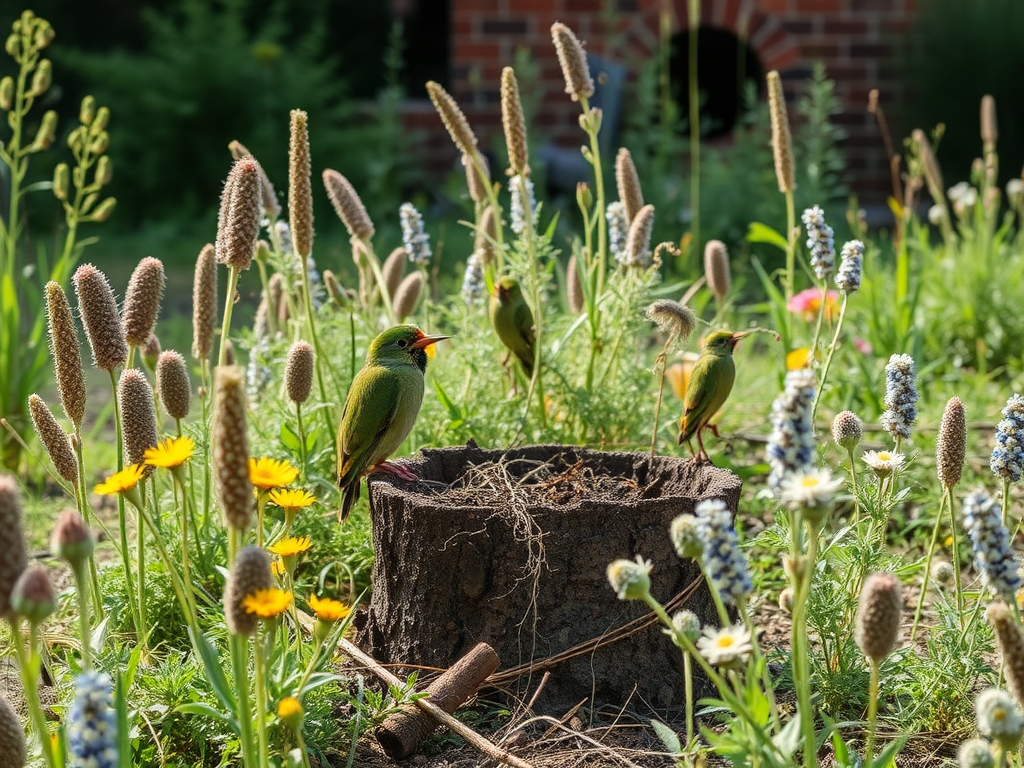
To enhance biodiversity on your homestead, implement diverse planting strategies, create habitats for wildlife, and practice sustainable farming techniques. Incorporating native plants can attract beneficial insects and pollinators while reducing the need for chemical inputs. Additionally, integrating small water features can support amphibians and other wildlife, fostering a balanced ecosystem. Avoid monoculture practices to maintain soil health and encourage a variety of species.
Understanding Biodiversity in Homesteading
Biodiversity refers to the variety of life forms within a particular habitat or ecosystem. In the context of homesteading, enhancing biodiversity is crucial for creating resilient ecosystems that can withstand pests, diseases, and climate fluctuations. A diverse range of plants, animals, and microorganisms contributes to soil health, nutrient cycling, and overall ecosystem stability. By fostering biodiversity, homesteaders can reduce reliance on chemical inputs and improve the sustainability of their practices.
One common misconception is that biodiversity only pertains to wild spaces. In reality, homesteads can be vibrant ecosystems that support various species. This not only benefits the environment but also enhances the productivity of crops and livestock. Understanding the interconnectedness of different species can guide homesteaders in their efforts to cultivate a thriving ecosystem.
Diverse Planting Strategies
Implementing diverse planting strategies is one of the most effective ways to enhance biodiversity on your homestead. Companion planting, for instance, involves growing different plants in proximity to benefit each other. For example, planting marigolds alongside vegetables can deter pests while attracting beneficial insects. Additionally, incorporating a mix of native plants can create a habitat that supports local wildlife and pollinators.
Another strategy is to establish a permaculture garden, which mimics natural ecosystems by integrating various plant species and layers. This approach not only increases biodiversity but also optimizes space and resources. Consider planting a mix of perennials, annuals, and herbs to create a dynamic garden that can provide food throughout the seasons.
However, it’s essential to avoid monoculture practices, where only one type of crop is grown over large areas. Monocultures can lead to soil depletion, increased pest susceptibility, and a decline in overall ecosystem health. Instead, aim for polyculture systems that combine different crops to promote resilience and biodiversity.
Creating Wildlife Habitats
Creating wildlife habitats on your homestead can significantly enhance biodiversity. This can be achieved by incorporating elements such as hedgerows, wildflower patches, and small water features. Hedgerows serve as corridors for wildlife, providing shelter and food while promoting movement between different habitats.
Planting native wildflowers not only beautifies your land but also attracts a variety of pollinators and beneficial insects. Consider establishing a small pond or water feature, which can support amphibians and other wildlife. These habitats contribute to a balanced ecosystem by fostering diverse species interactions and promoting natural pest control.

It’s important to maintain these habitats by avoiding chemical pesticides and herbicides that can harm beneficial organisms. Instead, focus on organic management practices that support wildlife health and encourage natural predation of pests.
Sustainable Farming Practices
Adopting sustainable farming practices is vital for enhancing biodiversity on your homestead. Techniques such as crop rotation, cover cropping, and reduced tillage can improve soil health and promote a diverse range of organisms in the soil ecosystem. Crop rotation helps prevent soil nutrient depletion and disrupts pest cycles, while cover crops provide habitat for beneficial insects and improve soil structure.
Practicing integrated pest management (IPM) is another effective way to enhance biodiversity. IPM encourages the use of biological controls, such as beneficial insects, rather than solely relying on chemical pesticides. This approach helps maintain a balanced ecosystem while effectively managing pest populations.
Additionally, consider reducing or eliminating synthetic fertilizers, which can harm beneficial microbes and lead to nutrient runoff. Instead, focus on building soil health through composting and organic amendments, which can support a diverse soil microbiome essential for plant growth.