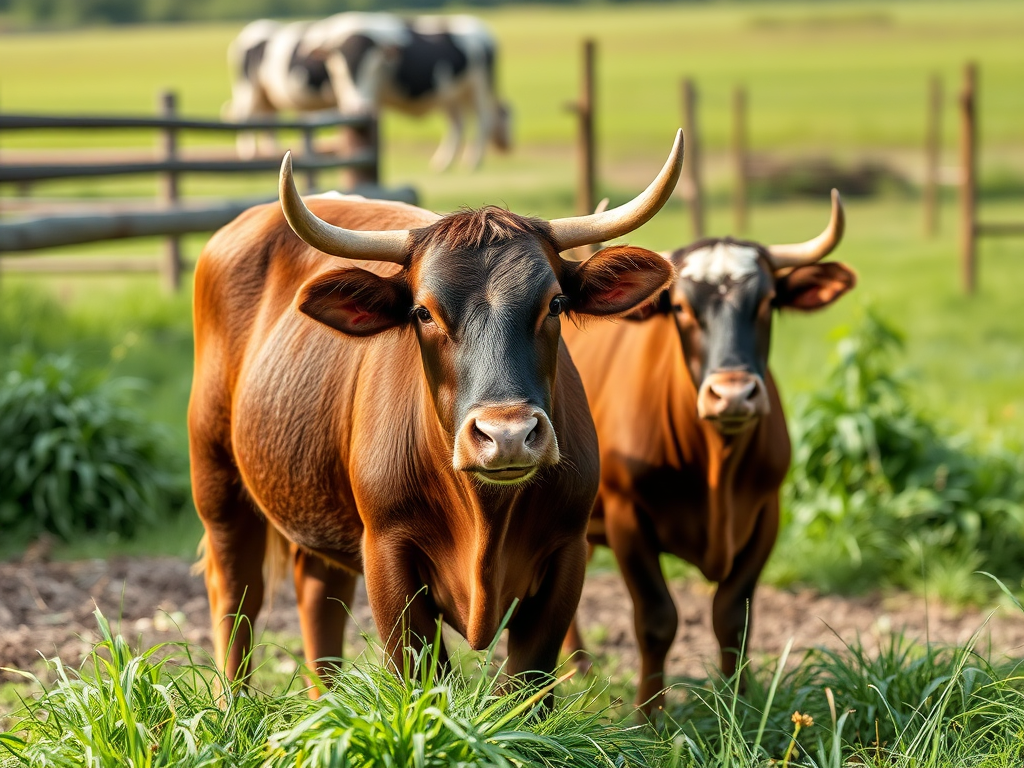
Improving the health of your livestock involves providing balanced nutrition, ensuring proper housing, and implementing routine health checks. Focus on high-quality feed that meets the specific dietary needs of each animal type, as deficiencies can lead to health issues. Regular veterinary care and biosecurity measures are also crucial to prevent disease outbreaks. Understanding the unique needs of your livestock will enhance their overall well-being and productivity.
Understanding Livestock Nutrition
Proper nutrition is foundational for improving the health of your livestock. Each species has specific dietary requirements that must be met to ensure optimal health and productivity. For instance, ruminants like cattle require a diet high in fiber and roughage, while pigs thrive on a diet rich in carbohydrates and proteins. Understanding these needs helps prevent deficiencies that can lead to health problems such as poor growth rates or reproductive issues.
Providing high-quality feed that includes essential vitamins and minerals is crucial. For example, calcium and phosphorus are vital for bone development in young animals, while vitamins A, D, and E support immune function. Regularly testing your feed for nutrient content can help ensure that your livestock receive balanced nutrition.
Additionally, consider the importance of water quality and availability. Clean, fresh water should always be accessible, as hydration is key to digestion and overall health. Contaminated water can lead to diseases that severely impact livestock health.
Importance of Housing and Environment
The housing and environment of your livestock greatly influence their health. Adequate shelter protects them from harsh weather conditions and reduces stress, which can lead to health issues. For example, cattle should have access to shaded areas to prevent heat stress during hot months, while pigs require dry, clean bedding to avoid skin infections.
Ventilation is another critical factor. Poor air quality can lead to respiratory problems, especially in confined spaces. Ensuring proper airflow helps reduce ammonia buildup and the risk of airborne diseases. Regular cleaning of living areas also minimizes the risk of parasites and infections.
Implementing biosecurity measures, such as controlling access to livestock areas and keeping a closed herd, can prevent the introduction of diseases. Regularly monitoring livestock for signs of illness or distress is crucial for early intervention.
Routine Health Checks and Veterinary Care
Routine health checks and veterinary care are essential to maintaining livestock health. Establish a schedule for vaccinations, deworming, and health assessments. Vaccinations protect against common diseases that can devastate your herd, while deworming helps control internal parasites that can affect growth and productivity.
Regular health checks allow you to monitor for any signs of illness early on. Look for changes in behavior, appetite, or physical appearance, which may indicate health issues. Keeping accurate health records helps track the health status of each animal and assists your veterinarian in making informed decisions.
It’s also essential to develop a relationship with a qualified veterinarian who understands the specific needs of your livestock. They can provide guidance on nutrition, disease prevention, and treatment options tailored to your herd’s unique circumstances.
Common Mistakes to Avoid
Even experienced livestock owners can make mistakes that negatively impact animal health. One common error is neglecting to adjust diets based on changing needs, such as growth stages or lactation. As animals grow or produce milk, their nutritional requirements change significantly.
Another mistake is underestimating the importance of social interaction among livestock. Animals that are isolated can experience stress, leading to health problems. Ensure that social species, such as pigs and sheep, are housed with adequate companions.

Lastly, failing to maintain a clean and organized environment can lead to disease outbreaks. Regular cleaning and disinfection of housing, equipment, and feeding areas are vital to preventing infections and ensuring a healthy living space for your livestock.
Frequently Asked Questions
What is the best diet for healthy livestock?
A balanced diet tailored to the species and life stage is crucial, including quality forages, grains, and necessary vitamins and minerals.
How often should I check my livestock's health?
Routine health checks should be conducted at least once a month, with more frequent checks during critical periods like breeding or calving.
What are common signs of illness in livestock?
Common signs include changes in appetite, lethargy, coughing, or unusual behavior. Early detection is key for effective treatment.
How can I improve my livestock's living conditions?
Ensure clean, dry bedding, proper ventilation, and adequate space for social interaction to promote a healthy environment.
Why is veterinary care important for livestock?
Veterinary care helps prevent diseases through vaccinations and regular health assessments, ensuring the well-being and productivity of your livestock.
Conclusion
Improving the health of your livestock involves a multifaceted approach focusing on nutrition, housing, routine health checks, and avoiding common mistakes. By prioritizing balanced diets tailored to each species, ensuring proper living conditions, and maintaining regular veterinary care, you can enhance the wellness and productivity of your animals. Stay informed about their needs and monitor their health closely to ensure a thriving livestock operation.