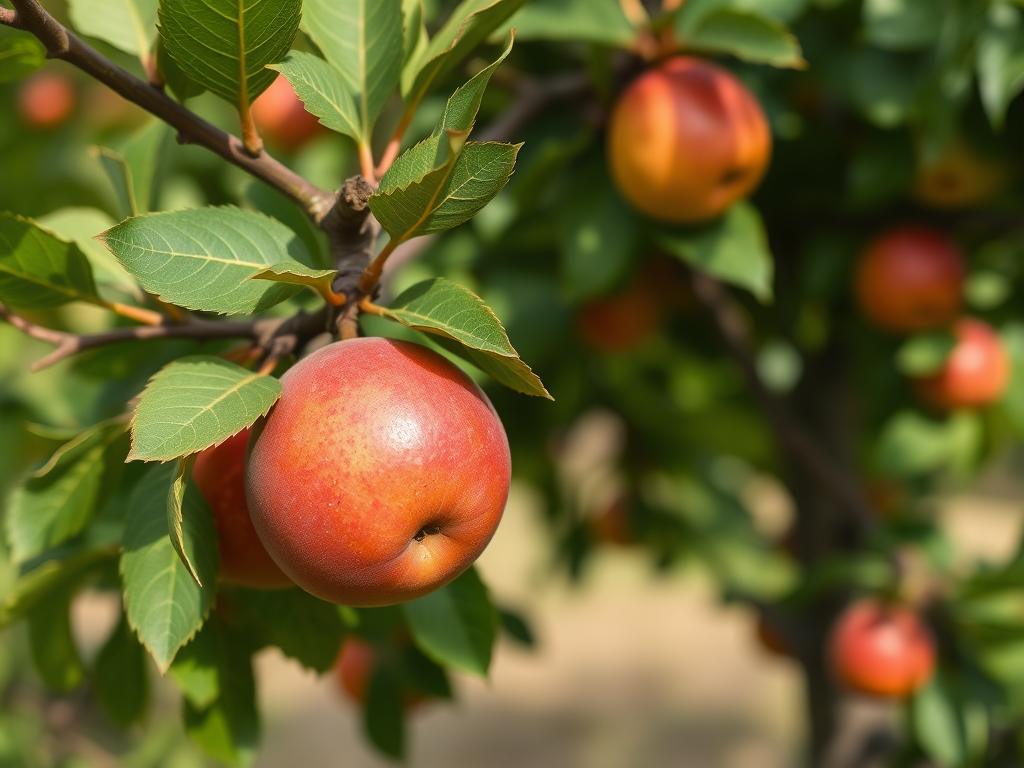
To select the best fruit trees for your area, start by evaluating your local climate and soil conditions. Use the USDA Plant Hardiness Zone Map to identify suitable tree varieties for your region, keeping in mind that local microclimates can affect growth. Conduct a soil test to determine pH and nutrient levels, ensuring you choose trees that thrive in your specific soil type. For instance, if you have sandy soil, opt for drought-resistant varieties like pomegranates. Avoid common mistakes such as planting trees that are not suited for your area's temperature extremes or neglecting soil amendments that can enhance drainage and nutrient availability.
Understanding Your Climate Zone
Understanding your climate zone is crucial when selecting fruit trees, as it directly impacts the tree’s survival and productivity. The USDA Plant Hardiness Zone Map is an excellent starting point, categorizing regions based on average annual minimum temperatures. For instance, if you live in a warmer zone, you might choose varieties like peaches or figs, while cooler zones may be better suited for apples or cherries. Additionally, consider local microclimates, such as areas that may be warmer due to sun exposure or sheltered from wind.
Common mistakes include ignoring these climate factors and selecting trees that are not suited for the temperature extremes of the area. Researching local weather patterns, including frost dates and rainfall, can also guide your choices to ensure the trees will flourish.
Assessing Soil Quality and Type
Soil quality and type significantly influence the success of fruit trees. Conducting a soil test to determine pH levels, nutrient content, and drainage capacity is essential. Most fruit trees prefer slightly acidic to neutral soils (pH 6.0 to 7.0) and well-drained conditions. Heavy clay soils may require amendments such as organic matter to improve drainage, while sandy soils might need additional nutrients to support tree growth.
Choosing the right tree for your soil type can prevent issues like root rot or nutrient deficiency. For example, if your soil is sandy, consider drought-resistant varieties such as pomegranates. Alternatively, if you have rich, loamy soil, you can explore a wider range of options, including apples and pears.
Choosing the Right Fruit Tree Varieties
When selecting fruit tree varieties, consider factors such as disease resistance, growth habit, and harvest time. Local nurseries often provide varieties that are well-adapted to regional conditions. Additionally, consider whether you need more than one tree for cross-pollination, which is necessary for many fruit types, like apples and cherries.
Researching heirloom varieties can also be beneficial, as these often offer unique flavors and better adaptability to local conditions. However, be cautious of over-planting; understanding the mature size of each tree and the space available will help prevent overcrowding, which can lead to poor air circulation and increased pest issues.

Planting and Maintenance Considerations
Proper planting and ongoing maintenance are critical to the health of your fruit trees. Ensure you plant at the right time, typically in early spring or fall, depending on your local climate. When planting, dig a hole that is twice as wide as the root ball and amend the backfill soil with organic material to promote healthy growth.
Maintenance involves regular watering, pruning, and pest management. Young trees typically require more water to establish their roots, while mature trees may need less frequent watering. Pruning helps shape the tree and encourages better fruit production, while integrated pest management strategies can help control common pests without harming beneficial insects.
For more detailed information on fruit tree selection and care, consider the following resources: