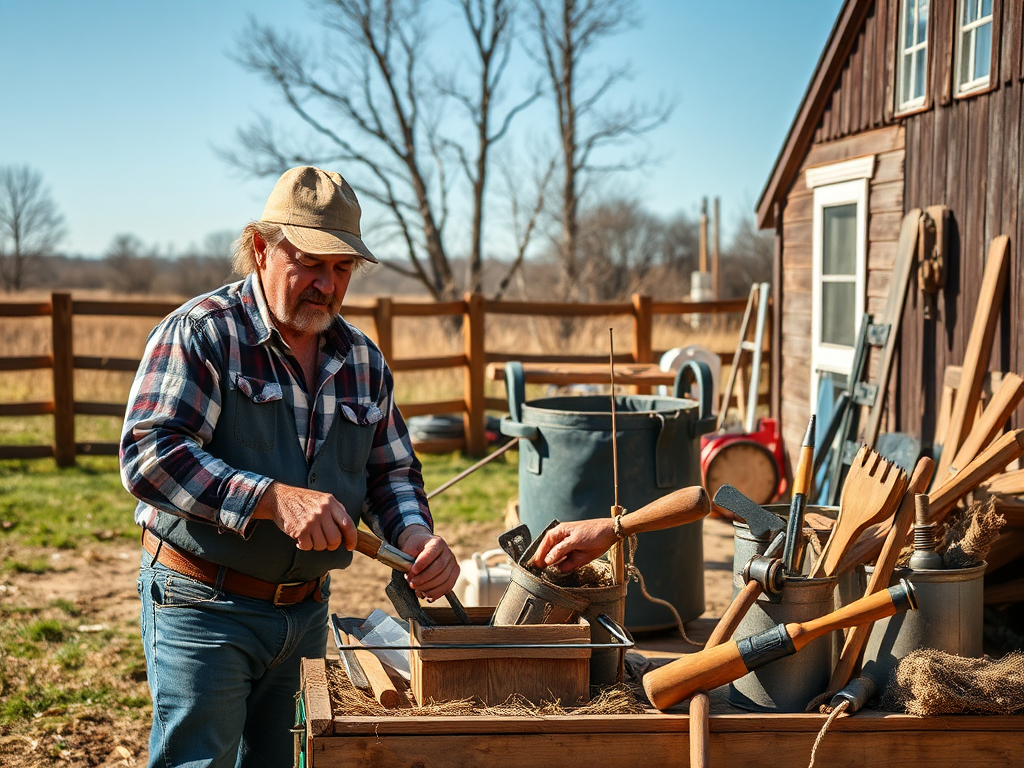
Essential resources for aspiring homesteaders include practical tools, comprehensive guides, and community support networks that facilitate sustainable living. Key tools like hand tools and gardening supplies are foundational, while guides on permaculture and livestock management provide vital knowledge. Engaging with local homesteading groups fosters connections and shared experiences, which can be crucial for overcoming common challenges. These resources not only equip individuals with necessary skills but also enhance their ability to establish a successful and self-sufficient homestead.
Essential Tools for Homesteading
Having the right tools is crucial for any aspiring homesteader. Essential tools include hand tools such as shovels, hoes, and trowels, which are fundamental for gardening and landscaping. Additionally, power tools like chainsaws and tillers can significantly increase efficiency when managing larger plots of land.
Understanding what tools are necessary depends on the specific activities you plan to undertake. For example, if you are interested in animal husbandry, purchasing fencing tools and livestock handling equipment will be essential. Investing in quality tools not only makes tasks easier but also ensures safety and durability. A common mistake is to overlook the importance of maintenance for these tools; regular upkeep is necessary to prolong their lifespan and functionality.
Additionally, consider the need for storage solutions to keep tools organized and protected from the elements. A well-structured tool shed can enhance efficiency and accessibility, making it easier to find what you need when you need it.
Comprehensive Guides and Resources
In the journey of homesteading, knowledge is just as important as tools. Comprehensive guides and resources can provide invaluable insights into various practices, from organic gardening to livestock care. Online platforms, books, and workshops can serve as excellent sources of information.
Books such as “The Backyard Homestead” and “The Permaculture Handbook” offer step-by-step instructions and in-depth knowledge on sustainable practices. Online resources, including blogs and YouTube channels dedicated to homesteading, can provide practical demonstrations and personal experiences that are often more relatable than traditional literature.
Moreover, local agricultural extension services often have resources tailored to specific regions, including climate-adaptive practices and local species of plants and animals that thrive in your area. Utilizing these resources can prevent common pitfalls and enhance your homesteading experience.
Building a Supportive Community
Connecting with a community of like-minded individuals can provide emotional support and practical advice throughout your homesteading journey. Local homesteading groups, online forums, and social media platforms can be excellent venues for networking.
Joining a local community garden or attending workshops can also facilitate hands-on learning and foster connections with experienced homesteaders. Engaging in these communities allows you to share experiences, ask questions, and gain insights that are not always found in books or online resources.
Moreover, participating in local farmers’ markets can introduce you to other farmers and producers, creating opportunities for collaboration and knowledge exchange. These relationships can be crucial when facing challenges such as pest control or crop failures, as shared experiences can lead to innovative solutions.
Common Mistakes to Avoid
While embarking on the homesteading journey, it’s important to be aware of common mistakes that can hinder progress. One frequent error is underestimating the time and effort required to maintain a homestead. Many new homesteaders often start with ambitious goals, only to find themselves overwhelmed.
Another common mistake is neglecting to plan for seasonal changes. Understanding the local climate and how it affects planting and harvesting cycles is crucial. Failing to account for these changes can lead to poor crop yields and wasted resources.
Additionally, many aspiring homesteaders overlook the importance of budgeting for unexpected expenses. Whether it’s equipment repairs or unanticipated crop failures, having a financial buffer can alleviate stress and ensure sustainability in the long run.
Frequently Asked Questions
What are the basic tools I need for homesteading?
Essential tools include hand tools like shovels, trowels, and hoes, as well as power tools such as chainsaws and tillers for larger tasks.
How can I find local homesteading communities?
Look for local agricultural fairs, community gardens, or online forums and social media groups focused on homesteading.
What are common mistakes new homesteaders make?
Common mistakes include underestimating the time commitment, neglecting seasonal planning, and failing to budget for unexpected expenses.
How important is community support in homesteading?
Community support is vital as it provides emotional encouragement, practical advice, and networking opportunities with experienced homesteaders.
Conclusion
Equipping yourself with essential resources is fundamental for a successful homesteading journey. By investing in the right tools, seeking comprehensive guides, and building a supportive community, aspiring homesteaders can navigate challenges more effectively. Avoiding common mistakes and embracing continuous learning will further enhance your experience, making homesteading a rewarding lifestyle choice. Start small, plan wisely, and connect with others to build a thriving homestead.
Further Reading
Authoritative Sources
- 8 Essential Tools for the Modern Homesteader
yanmartractor.comEssential Tools for the Modern Homesteader · 1. Multi-Tool · 2. Chainsaw · 3. Power Drill · 4. Garden Hoses · 5. Pick Mattock · 6. Post Driver · 7. Come-Along or Wench.
- 12 Top Homesteading Resources - Books, Websites ...
countrytracts.comThis compact guide provides advice, tips, and step-by-step instructions for hundreds of projects, offering the entire family the tools they need to make the ...