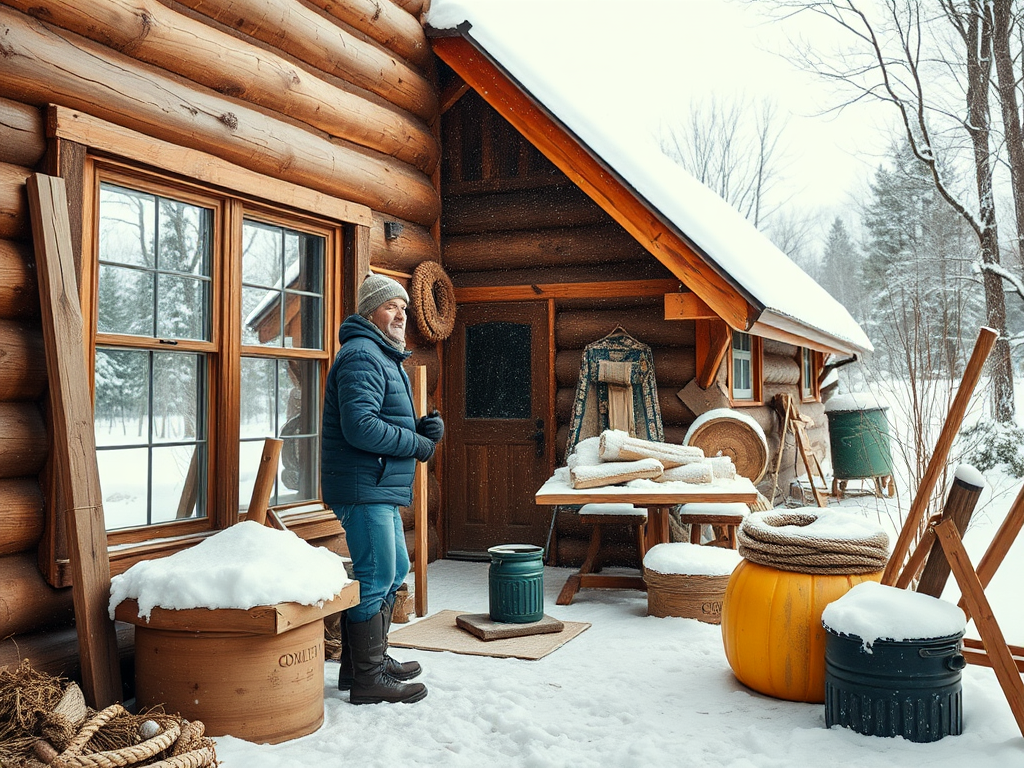
To prepare your homestead for winter, start by insulating your home and ensuring your heating systems are functional. Stock up on firewood or fuel for heating, and protect your water supply from freezing. Additionally, secure livestock shelters and winterize your garden by mulching or covering sensitive plants. These steps will help maintain warmth, prevent freezing, and ensure your homestead remains functional during the cold months.
Insulating Your Homestead
Insulating your homestead is crucial for maintaining warmth during winter. Begin by checking your windows and doors for drafts. Use weather stripping or caulking to seal any gaps, as even small leaks can lead to significant heat loss. Insulating your attic and walls can also help keep the cold air out and warm air in, reducing heating costs and increasing comfort.
Consider adding thermal curtains to your windows, which can provide an extra layer of insulation. If you have a basement or crawl space, ensure these areas are properly insulated as well. This not only keeps your living space warmer but also protects plumbing from freezing, which can lead to costly repairs.
Common mistakes include ignoring the importance of insulation in less visible areas, such as attics or basements. Always prioritize sealing drafts and insulating poorly insulated areas first.
Winterizing Your Water Supply
Protecting your water supply is essential as freezing pipes can lead to significant damage. Begin by draining outdoor faucets and hoses to prevent water from freezing and expanding within the pipes. If you have a well, ensure that the pump is insulated, and consider using heat tape on exposed pipes.
For those relying on a water tank, insulating it and using a tank heater can prevent freezing. Regularly check for leaks and maintain proper water flow to avoid stagnant water, which is more prone to freezing.
A common mistake is neglecting to insulate pipes that run along exterior walls, as these are particularly vulnerable to freezing temperatures. Always ensure these areas are well insulated and monitored throughout the winter.
Preparing Your Garden
Winter preparation for your garden includes protecting perennial plants and preparing for the next growing season. Start by mulching your garden beds to insulate the soil and prevent frost damage. Use straw, wood chips, or leaves to create a protective layer.
For tender plants, consider covering them with frost cloths or row covers. This helps maintain a more stable temperature and protects them from harsh winter conditions. Additionally, you can plant winter crops like garlic or cover crops to enrich the soil for spring planting.
One common mistake gardeners make is failing to clean up their garden beds before winter. Removing dead plants and debris can prevent pests and diseases from overwintering in your garden.
Livestock Care and Shelter
Proper care and shelter for your livestock are vital during winter months. Ensure that their housing is adequately insulated and free from drafts. Provide bedding such as straw or hay to keep them warm and comfortable.

Regularly check water supplies to ensure they do not freeze, and consider using heated waterers to maintain a consistent water source. Adjust feeding routines as animals may require additional nutrition to maintain body heat during colder months.
A common oversight is not preparing shelters in advance. Make sure your livestock have access to shelter before the first snow or frost, as last-minute preparations can lead to stressed animals and compromised health.
Frequently Asked Questions
What should I do first to prepare my homestead for winter?
Start by insulating your home and checking heating systems to ensure they are functional before cold weather arrives.
How can I prevent my water supply from freezing?
Drain outdoor pipes and faucets, insulate exposed pipes, and consider using heat tape or insulated covers for vulnerable areas.
What are some good winter crops to plant?
Garlic and certain cover crops like clover can be planted in the fall to help enrich the soil for spring and prevent erosion.
How do I prepare my livestock for winter?
Ensure their shelter is insulated, provide adequate bedding, and check water supplies regularly to prevent freezing.
What common mistakes should I avoid when preparing for winter?
Avoid neglecting insulation in less visible areas, failing to clean up garden beds, and waiting until the last minute to prepare livestock shelters.
Conclusion
Preparing your homestead for winter involves strategic planning and timely actions to ensure warmth, safety, and functionality. Start with insulating your home and maintaining your heating systems, then focus on protecting your water supply and livestock. By taking these proactive steps, you can mitigate risks associated with the cold and maintain a thriving homestead throughout the winter months.