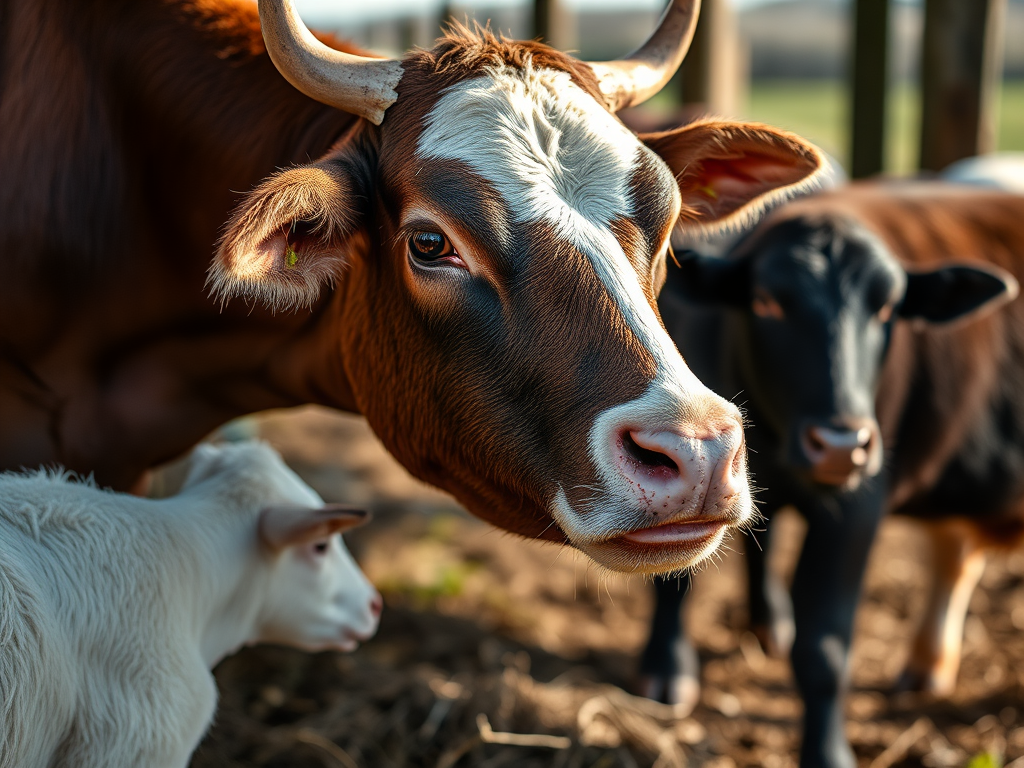
To recognize and treat common livestock illnesses, observe key symptoms such as unusual behavior, decreased appetite, and visible signs of distress. Early identification of illnesses like mastitis, pneumonia, and internal parasites can prevent severe health issues. Treatment often involves consulting a veterinarian for accurate diagnosis and appropriate medications, alongside supportive care like hydration and nutrition adjustments. Understanding these factors is vital for maintaining livestock health and productivity.
Identifying Common Symptoms in Livestock
Recognizing symptoms in livestock is the first crucial step in managing their health. Symptoms can vary widely depending on the type of animal and the specific illness. Common signs include lethargy, lack of appetite, abnormal vocalizations, and changes in behavior. For instance, a sudden drop in milk production in dairy cows may indicate mastitis, while excessive coughing and nasal discharge could signal respiratory infections.
Observation should be systematic; check for:
- Behavioral changes: Is the animal isolating itself or showing aggression?
- Physical signs: Look for swelling, lesions, or unusual discharge.
- Vital signs: Monitor temperature, pulse, and respiration rates regularly.
Understanding these symptoms not only helps in early detection but also aids in making informed decisions about treatment options. Ignoring subtle signs can lead to severe health crises, making timely intervention essential.
Common Livestock Illnesses and Their Causes
Several illnesses are prevalent among livestock, each with specific causes and implications for health. Understanding these illnesses helps in proactive management. Here are some common conditions:
- Mastitis: An infection of the udder, primarily in dairy cows, often caused by bacteria entering through the teat. Symptoms include swelling, heat, and changes in milk appearance.
- Pneumonia: Respiratory infections can affect various livestock, particularly in crowded or poorly ventilated conditions. Symptoms include coughing, nasal discharge, and difficulty breathing.
- Internal parasites: Worms can cause weight loss, poor coat condition, and lethargy. Regular fecal checks can help identify infestations.
- Foot and mouth disease: A viral disease affecting cloven-hoofed animals, leading to fever and painful lesions. It spreads rapidly and requires immediate reporting to authorities.
Identifying the cause of these illnesses is critical for effective treatment. Many conditions can be exacerbated by stress, poor nutrition, or inadequate living conditions, emphasizing the need for comprehensive care strategies.
Effective Treatment Strategies for Livestock Illnesses
Treating livestock illnesses requires a combination of veterinary intervention and supportive care. The approach may vary depending on the specific illness but generally includes:
- Consulting a veterinarian: Professional diagnosis is essential for effective treatment. Vets can recommend appropriate medications, such as antibiotics for infections or anti-parasitic drugs for worm infestations.
- Providing supportive care: Ensure the affected animals have access to clean water and nutritious feed, which aids recovery. Isolate sick animals to prevent the spread of disease.
- Monitoring progress: Keep a close eye on the animal’s symptoms and response to treatment. Adjust care based on their recovery trajectory.
- Vaccination: Preventive vaccinations can significantly reduce the risk of many diseases, including foot and mouth disease and certain respiratory infections.
Implementing these treatment strategies effectively can minimize losses and promote quicker recovery, ensuring the overall health of the livestock population.
Preventative Measures to Ensure Livestock Health
Preventing illnesses is often more effective and less costly than treating them. Implementing a comprehensive health management plan is essential for maintaining livestock health. Key preventative measures include:
- Regular health checks: Schedule routine veterinary examinations to catch potential health issues early.
- Proper nutrition: Ensure that livestock receive a balanced diet tailored to their specific needs, including vitamins and minerals to boost their immune systems.
- Hygiene and sanitation: Maintain clean living conditions to reduce the risk of disease transmission. Regularly clean feeding and watering equipment.
- Stress management: Minimize stress factors by providing adequate space, social interaction, and environmental enrichment.
By focusing on these preventative strategies, livestock owners can significantly enhance the well-being of their animals and reduce the incidence of illnesses.
Frequently Asked Questions
What are the top signs of illness in livestock?
Key signs include lethargy, changes in appetite, unusual vocalizations, and visible discomfort or distress.
How can I prevent common illnesses in my livestock?
Preventative measures include regular health checks, proper nutrition, sanitation, and stress management.
When should I call a veterinarian for my livestock?
Contact a veterinarian if you notice severe symptoms, such as persistent coughing, lack of appetite, or unusual behavior.
What are the most common livestock diseases?
Common diseases include mastitis, pneumonia, internal parasites, and foot and mouth disease.
What role does nutrition play in livestock health?
Proper nutrition is vital for maintaining healthy immune systems and preventing illnesses.
Conclusion
Recognizing and treating common livestock illnesses requires a proactive approach that includes symptom identification, effective treatment strategies, and preventative measures. By staying vigilant about livestock health and implementing comprehensive care practices, farmers can ensure their animals thrive and remain productive. Regular veterinary consultations and a focus on nutrition and hygiene are key to minimizing health risks and enhancing overall livestock well-being.