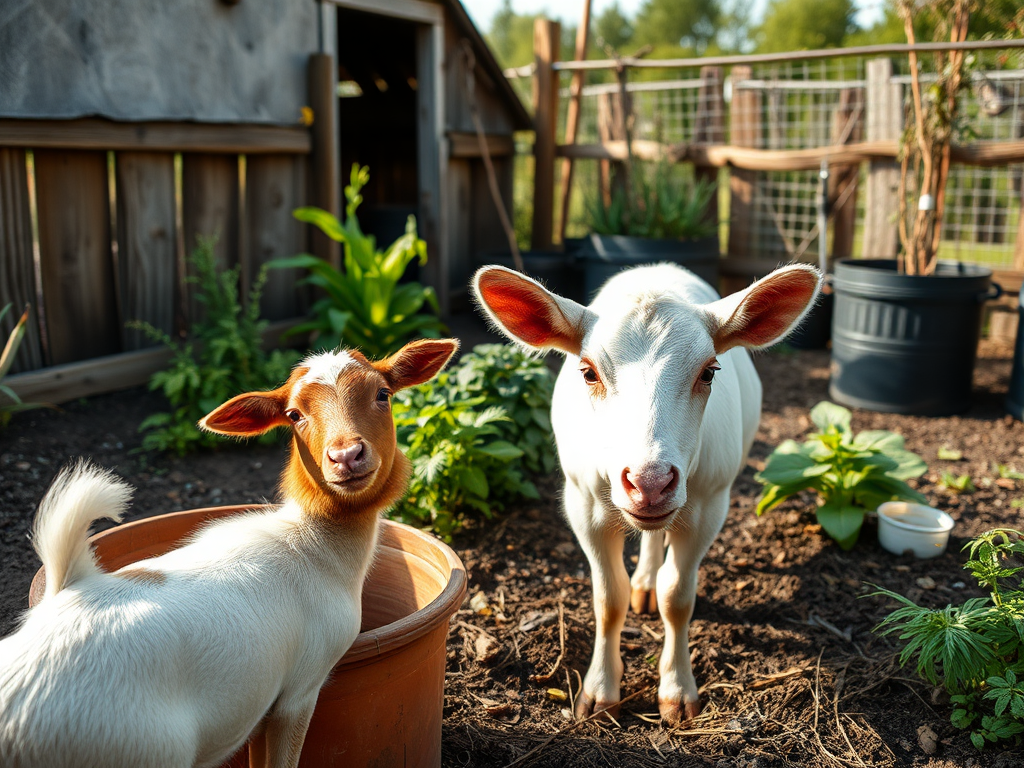
Integrating animals into your gardening system can significantly enhance both plant health and overall ecosystem productivity. For example, chickens not only control pests but also provide valuable manure, enriching the soil. To optimize this integration, consider implementing rotational grazing practices, which help maintain soil quality and prevent overgrazing. It's essential to monitor the health of both your plants and animals to ensure a balanced environment. By carefully selecting compatible animals and managing their grazing patterns, you can create a thriving garden that benefits from the natural behaviors of its inhabitants.
Understanding the Benefits of Animal Integration
Integrating animals into your gardening system offers numerous advantages, including improved soil fertility, enhanced pest control, and increased biodiversity. The natural behaviors of animals, such as foraging and fertilizing, can significantly benefit plant growth. For instance, chickens can help control insect populations while providing nutrient-rich manure that enhances soil quality. By recognizing these benefits, gardeners can create a more sustainable and productive ecosystem.
Moreover, animal integration can reduce the need for chemical fertilizers and pesticides, leading to a healthier environment. This approach not only supports the garden’s health but also promotes a more sustainable farming practice, aligning with modern ecological principles.
Choosing the Right Animals for Your Garden
Selecting the appropriate animals is crucial for successful integration into your gardening system. Different animals serve various purposes. For instance, chickens are excellent for pest control and soil aeration, while goats can help manage weeds and brush.
When choosing animals, consider factors such as the size of your garden, the types of plants you are growing, and the local climate. For example, small gardens may benefit from rabbits or chickens, as they require less space, while larger areas could accommodate goats or sheep. Always research the specific needs and behaviors of each animal to ensure they align with your gardening goals.
Implementing Effective Grazing Techniques
Effective grazing techniques are essential to maximize the benefits of animal integration while minimizing potential drawbacks. Rotational grazing, where animals are moved between different areas of the garden, allows for optimal grazing patterns and helps prevent overgrazing. This technique not only maintains healthy pasture for the animals but also supports soil recovery and plant growth.
Additionally, consider using fencing to protect certain areas of your garden from animal access while allowing them to forage in designated zones. This method helps maintain the balance between animal needs and plant health, ensuring that both thrive in the ecosystem.
Maintaining Animal Health and Soil Quality
Maintaining the health of your animals and the quality of your soil is vital in a system that integrates animals with gardening. Regular veterinary care, proper nutrition, and a clean living environment are essential for animal well-being. Healthy animals contribute to a more productive garden by providing high-quality manure and engaging in natural behaviors that benefit plant growth.
Simultaneously, monitor soil health through regular testing and management practices. Implementing composting and mulching can improve soil structure and fertility, further enhancing the benefits of animal integration. Be vigilant about signs of overgrazing or soil depletion, adjusting grazing practices as necessary to maintain balance in your ecosystem.
Frequently Asked Questions
What types of animals are best for gardens?
Chickens, ducks, goats, and rabbits are popular choices for gardens, each serving different purposes like pest control and weed management.
How do I prevent overgrazing?
Implement rotational grazing techniques, moving animals between different areas to allow for recovery of grazed plants.
Can animals help with pest control?
Yes, animals like chickens and ducks can naturally reduce pest populations by foraging and eating insects in your garden.
How often should I check animal health?
Regular check-ups, ideally weekly, are essential to monitor for signs of illness, ensuring healthy animals and a productive garden.
What is the best way to manage animal waste?
Composting animal waste can enrich soil fertility, but ensure it is properly processed to avoid pathogens before applying it to the garden.
Conclusion
Integrating animals into your gardening system can yield significant benefits, including enhanced soil health, pest control, and overall productivity. By carefully selecting the right animals, implementing effective grazing techniques, and maintaining their health, you can create a thriving ecosystem. Prioritize monitoring both animal welfare and soil quality to ensure a successful integration that supports sustainable gardening practices.