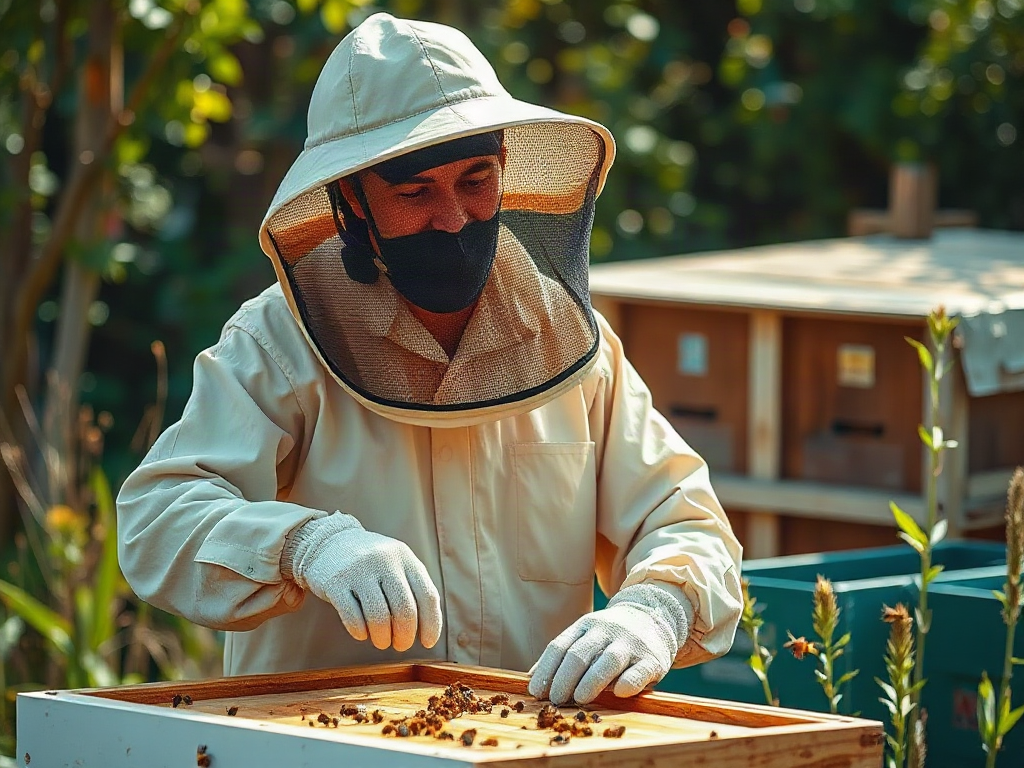
New Beekeeper Protective Gear Essentials include a well-fitted veil, protective jacket or suit, durable gloves, fully covered boots, and clothing that closes every gap during hive inspections. A veil protects the face and neck from defensive bees, while light-colored woven fabric reduces exposed skin without relying on thin material that tears easily. Gloves should balance sting protection with finger control, and boot cuffs plus secured pant legs prevent bees from entering at ground level. New keepers should inspect gear for holes, test movement before opening a hive, and avoid loose sleeves or zippers that snag on equipment. Protective clothing lowers exposure risk, but calm handling and an exit plan remain necessary.
The Protective Barrier That Matters Most
Protective beekeeping clothing works by keeping stingers away from vulnerable skin while allowing a new beekeeper to handle frames without panic. The face, neck, wrists, ankles, and upper chest deserve particular attention because small openings in those areas can turn a routine inspection into a hurried retreat. A complete setup usually includes a veil, a jacket or full suit, gloves, closed boots, and clothing that overlaps at every seam.

Coverage matters more than appearance. A lightweight jacket with a secure veil may suit a calm colony on a warm day, but it leaves the lower body dependent on tucked trousers and careful boot coverage. A full suit offers more continuous protection, although it costs more, occupies more storage space, and may feel hot when the sun is strong. New keepers often buy gloves first and overlook the gap between a glove cuff and a loose sleeve; bees exploit that gap quickly when a hand is near an open hive.
Choose fabric that is tightly woven, intact, and light in color. Light-colored clothing is commonly used because it makes inspecting the garment easier and avoids the dark, fuzzy appearance that can provoke defensive attention in some situations, but color is not a substitute for sound material. Mesh ventilation can improve comfort, yet oversized mesh or worn panels should not be treated as equivalent to solid protective fabric.
A useful first purchase is the setup that you can put on completely before approaching the hive. Review the related New Beekeeper Protective Gear Essentials when comparing coverage, but make the final decision around your colony, climate, and inspection habits. The common failure is buying an attractive garment that cannot be sealed at the wrists, neck, or ankles.
Veils, Suits, Jackets, and Gloves Compared
A veil should protect the entire face and neck without pressing against the nose or restricting vision. Round or fencing-style veils can provide useful space around the head, while attached hood designs reduce the number of openings a beginner must close. The best choice is the one that stays away from the face when you bend over a hive and permits clear sight of frame surfaces. A veil that collapses onto the nose may cause a keeper to adjust it with a gloved hand at the wrong moment.
Jackets are practical for routine work when trousers, socks, and boots are coordinated to close the lower gaps. Full suits provide a simpler barrier for beginners who expect frequent inspections, work with more defensive colonies, or prefer not to think about matching separate garments. The tradeoff is heat and bulk. A full suit can encourage overheating, and sweat may reduce concentration just as a jacket can be more comfortable but demand better attention to tucking and zippers.
Gloves create the clearest tradeoff between protection and control. Leather gloves resist stings and abrasion, but thick fingers can make it harder to manipulate a frame, hold a hive tool, or avoid crushing bees. Smooth synthetic gloves may offer better dexterity and easier cleaning, yet their protection and durability vary by construction. Bare hands are sometimes used by experienced beekeepers in suitable conditions, but that is not a sensible starting assumption for someone still learning bee behavior.
Consider two scenarios. A beginner inspecting a small, calm colony in mild weather may manage well with a ventilated jacket, veil, nitrile-style gloves designed for beekeeping, and high boots. A beginner working near a defensive colony or in brush should favor continuous coverage and thicker gloves, accepting reduced tactile feedback. Neither setup removes the need for a smoker, deliberate movements, and a clear route away from the apiary. For additional planning context, see New Beekeeper Protective Gear Essentials.
Fit, Ventilation, and Movement During Inspections
Correct fit is a safety feature, not a cosmetic preference. Sleeves should overlap glove cuffs, trouser legs should remain inside or securely over boot openings according to the garment design, and the veil should close fully around the neck. Clothing that is too tight can split when a keeper reaches across a hive; clothing that is too loose can catch on corners, shift the veil, or leave folds where bees become trapped.
Test the outfit before using it at the colony. Put on every layer, bend at the waist, reach forward as if lifting a frame, and turn the head from side to side. Check whether the veil touches the face, whether the zipper opens under tension, and whether glove cuffs slide down. Ask another person to inspect the back of the neck and ankles because those areas are difficult to see while dressed.
Ventilation requires a realistic compromise. Breathable panels can reduce heat buildup, but they do not justify wearing less coverage than the situation calls for. On a hot day, work during a cooler period, drink water before and after the inspection, and limit unnecessary time with the hive open. Heat stress can lead to rushed movements, missed gaps, and poor decisions. A suit that is technically protective but too hot to wear calmly is a poor practical choice.
Do not confuse flexibility with looseness. Kneeling beside a hive, carrying a box, or stepping over uneven ground requires room in the knees and shoulders, while cuffs and closures must remain stable. A frequent mistake is testing gear while standing upright indoors, then discovering outdoors that the jacket rides up when reaching for the smoker. Movement testing should imitate the exact actions planned at the hive.

A Pre-Inspection Gear Check and Replacement Plan
A short inspection of protective equipment should happen before every hive visit. Look for torn veil mesh, separated seams, damaged elastic, failed hook-and-loop closures, cracked boot material, and glove fingertips worn thin from repeated frame handling. Small damage near the face or wrist deserves immediate attention because those locations are difficult to protect with a quick adjustment once bees are active.
Use this compact sequence before lighting the smoker or opening the hive:
- Close the suit or jacket completely and check the neck seal.
- Confirm that veil mesh is clear, firmly attached, and away from the face.
- Overlap sleeves and gloves, then inspect both wrist closures.
- Secure trousers at the boots and remove loose cuffs or exposed skin.
- Carry a spare veil or accessible outer layer when the apiary is far from shelter.
Cleaning and storage affect service life. Follow the garment maker’s washing instructions, keep mesh from snagging on tools, and store the suit dry rather than compressed under heavy equipment. Gloves may carry propolis and odors after use, so clean them in a way compatible with their material and allow them to dry fully. A damp garment can stiffen, smell, or become unpleasant enough that a keeper delays putting it on.
Replace gear when damage cannot be closed securely, visibility is impaired, or closures no longer hold during movement. A patched suit may be adequate if the repair is durable and does not create a new opening, but tape over a torn veil is a temporary measure rather than a dependable repair. Budgeting for replacement gloves and veil components is more sensible than treating protective wear as a one-time purchase. The New Beekeeper Protective Gear Essentials checklist is most useful when revisited after each season of actual use.
For equipment-specific details, consult the care and sizing instructions supplied by the manufacturer, then compare them with practical guidance from a local beekeeping association or university extension program. Local mentors can also help a new keeper judge whether a jacket provides enough coverage for the colony and conditions being managed.
Frequently Asked Questions
Does a new beekeeper need a full bee suit?
Not always. A jacket and securely covered trousers may work for routine inspections, but a full suit simplifies gap control and may be preferable for beginners, defensive colonies, or brushy apiaries.
Are leather gloves the best choice for beginners?
Leather offers durable sting and abrasion resistance, but thick leather reduces dexterity. Choose gloves that let you grip frames and use a hive tool without slipping, then adjust protection to the colony's behavior.
Can bees get through beekeeping suit fabric?
Stings may occur through thin, damaged, or compressed fabric, and bees can reach skin through openings. Inspect the material, avoid tight pressure points, and close wrists, neck, and ankles carefully.
How should beekeeper trousers meet the boots?
The combination should prevent an open route into the trouser leg. Follow the garment design by securing trouser cuffs inside tall boots or fastening them over the boot opening, then check the seal before approaching the hive.
What should be replaced first when gear wears out?
Replace damaged veil mesh, failed closures, and worn areas near the face or wrists first. These defects expose sensitive areas and are harder to manage safely once an inspection has started.
Conclusion
A new beekeeper’s protective setup should create continuous coverage without making movement, vision, or heat management unworkable. Prioritize a secure veil, intact fabric, sealed wrists and ankles, suitable gloves, and boots that prevent entry from below. Full suits simplify coverage, while jackets can be cooler and more flexible when paired with disciplined clothing choices.
Before the next inspection, put on the complete outfit and imitate lifting frames, bending, and walking over uneven ground. Repair or replace anything that shifts, restricts vision, or opens under tension. Protective gear reduces exposure, but it works best alongside calm handling, appropriate hive-management tools, and a planned exit route. Treat each inspection as a chance to assess both the colony and the condition of the equipment protecting you.