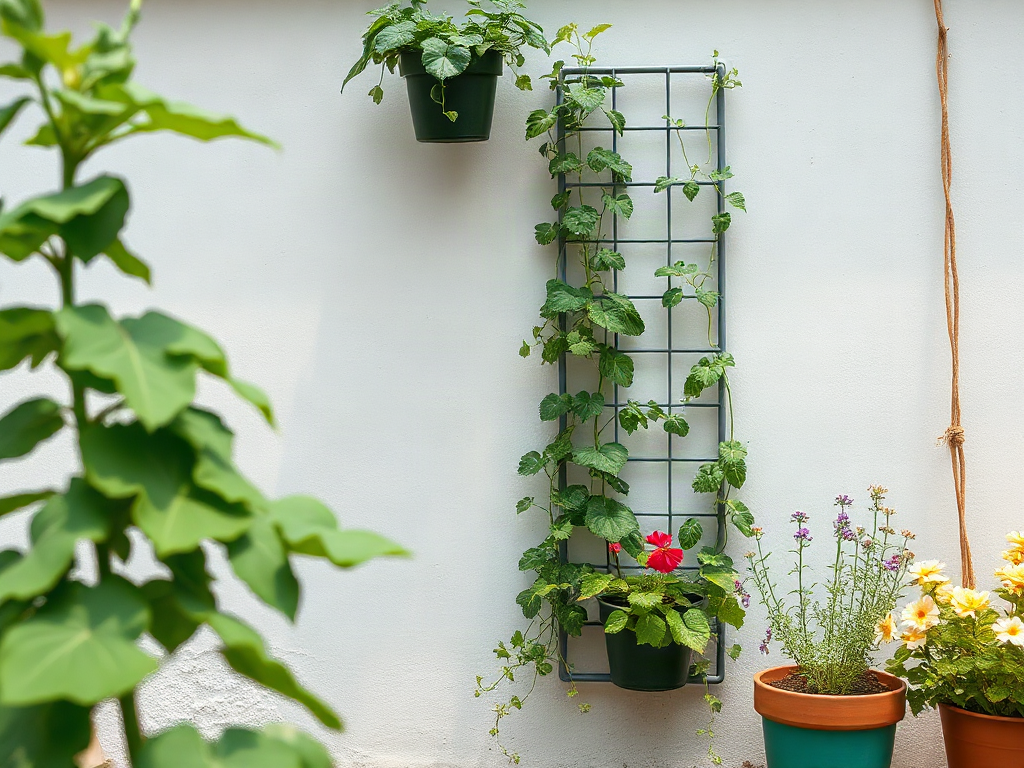
How to utilize vertical space in gardening depends on matching climbing crops and compact containers to a secure support, adequate sunlight, and reliable watering. Use trellises for cucumbers, peas, beans, and small melons; stack or hang containers for herbs and shallow-rooted greens; and place heavier plants low so the structure stays stable. Anchor supports before vines become large, leave enough distance for airflow, and check that mature plants will not shade shorter crops. Vertical growing can increase planting area in a small footprint, but it does not remove the need for deep soil, regular irrigation, pruning, or safe load limits.
Match Vertical Structures to Crop Growth
Vertical gardening works best when the support reflects how a plant climbs, sprawls, or hangs. A trellis is useful for tendrils and twining stems, while a stackable planter suits compact herbs, lettuce, and strawberries. The structure is not merely a way to lift foliage; it controls how weight, sunlight, irrigation, and harvest access are distributed through the planting area.

Climbing peas and pole beans can use netting, string, or a narrow panel. Cucumbers generally need a stronger grid or trellis because fruit and wet foliage add weight. Indeterminate tomatoes may grow on a tall stake, string, or cage, but their support must be installed before the root system becomes crowded. Small-fruited squash can climb a sturdy trellis, although developing fruit may need slings to prevent stems from bearing the entire load. Large pumpkins and heavy melons are usually poor candidates for casual vertical systems unless the support was designed for them.
Compare a vertical frame with a conventional sprawling row. The frame can keep leaves and fruit off the ground, making harvesting easier and improving visibility around the plant. The tradeoff is that the crop becomes dependent on tying, clipping, pruning, or redirecting growth. A sprawling cucumber may occupy more soil but need less daily training. A climbing bean may save substantial ground space, yet it can cast shade over nearby plants.
For a useful starting point, group plants by support need:
- Light climbers: peas, pole beans, and small flowering herbs can use twine or light netting.
- Moderate-weight crops: cucumbers and indeterminate tomatoes need rigid, well-anchored supports.
- Trailing or hanging plants: strawberries, oregano, and some salad greens fit containers or shelves.
- Heavy crops: squash and melons require reinforced frames and fruit support, or they should remain at ground level.
Before buying a system, inspect the mature height, fruit weight, rooting depth, and harvesting frequency of each crop. A simple how to utilize vertical space in gardening plan becomes more reliable when the structure is selected for the plant rather than chosen for appearance.
Build a Stable, Sunlit Growing Layout
Vertical structures need a stable base, a suitable orientation, and enough clearance for mature foliage. A trellis placed in loose soil can lean once vines become dense, while a shelf loaded with wet containers can tip or place excessive stress on a wall. Install the frame first, test its resistance to movement, and then add plants gradually.
Sunlight should guide the layout. Tall trellises commonly work best along the north side of a garden bed so they cast less shade over shorter crops. In a confined yard, that rule may be adjusted according to the seasonal sun path, nearby fences, and the hours of direct light available. A west-facing wall can become very hot, especially for small containers, while a shaded wall may support leafy greens but fail to produce well for fruiting crops.
Use materials suited to the load and location. A narrow bamboo frame may be adequate for peas, but a cucumber panel needs firm posts or a rigid connection to a dependable support. Do not assume a railing, thin fence, or temporary shelf can safely carry saturated potting mix. Containers become much heavier after watering, and wind resistance rises as plants fill the frame.
Spacing matters above and below the support. Leave room behind a trellis for tying stems and checking pests, unless the system is deliberately placed against a wall with front access only. Position shelves so upper containers do not block drainage or drip onto plants below. Hanging baskets should be checked for secure hooks and should not sit where falling water damages walkways or wooden structures.
A practical layout might place pole beans on the northern edge, cucumbers on a separate panel with a reachable harvest side, and herbs in waist-high containers near the kitchen. The beans can provide a vertical crop without occupying a wide row, while the herbs gain convenience rather than simply height. By contrast, placing cucumbers in front of a low-light crop may produce a crowded, damp pocket where leaves stay wet and harvest becomes difficult.
Think of the structure as permanent garden infrastructure. Anchor it before planting, allow access for repairs, and use rot-resistant or weather-appropriate materials. Reusing pallets or old fencing can reduce cost, but inspect for splinters, unstable fasteners, and unknown treatments before bringing them near food crops.
Manage Soil, Water, Airflow, and Harvesting
Raising plants does not reduce their basic resource needs. Container-grown crops still require sufficient root volume, drainage, fertility, and moisture. Small vertical pockets dry faster than in-ground beds because they contain less soil and may be exposed on several sides. A tiered planter that looks efficient can become a row of stressed plants if watering is based on the calendar instead of the condition of the growing mix.
Check moisture below the surface, particularly in containers exposed to wind or afternoon sun. Water slowly enough to wet the full root zone, and confirm that excess water can escape. If the lowest pot remains constantly wet while the upper pots dry out, the system may need separate watering rather than relying on drainage from one level to the next. Mulching the surface of larger containers can slow evaporation, but it should not cover the crown of plants or block drainage openings.
Fruiting climbers often need more sustained nutrition than a small pot can provide. A cucumber planted in a shallow decorative container may produce a few leaves and then struggle when flowering begins. A deeper container with a productive growing medium and an appropriate feeding routine is more realistic. Leafy greens and herbs generally place less demand on root space, making them better choices for narrow shelves and wall planters.
Airflow is another reason to avoid packing every vertical surface. Dense vines can trap humidity, conceal insect damage, and slow leaf drying after irrigation or rain. Train stems across a support instead of allowing all growth to form one thick bundle. Remove damaged leaves and harvest regularly, but avoid aggressive pruning that removes too much healthy foliage from a plant relying on leaves to produce energy.
Harvesting should be considered before planting. A trellis beside a path is convenient if fruit hangs at hand height, but a high frame may require a ladder and increase the chance of missed produce. Beans left too long become fibrous, and cucumbers hidden in dense growth can become oversized before they are noticed. Keep the most frequently harvested crops within easy reach and reserve taller structures for plants that tolerate less frequent attention.
Signs of a workable system include upright supports, evenly moist root zones, new growth that reaches the frame without severe wilting, and fruit that is easy to inspect. Warning signs include leaning posts, cracked containers, pale growth, persistently wet lower pots, and foliage that stays crowded and damp. Adjust the layout rather than adding more fertilizer when the real problem is weak light or poor airflow.
Avoid Common Vertical Gardening Failures
The most common failure is treating vertical space as unlimited planting capacity. A wall can hold many containers, but each container still competes for light and requires individual care. More plants may increase harvest potential, yet they also multiply watering points, pruning tasks, and opportunities for pests to spread unnoticed.

Overloading supports is especially risky. Wet soil, mature vines, fruit, and wind all add force. A lightweight trellis designed for peas may buckle under a cucumber crop. Start with the intended mature load, not the weight of the empty structure. If a frame moves when pushed gently, reinforce it before adding a full canopy.
Another mistake is choosing crops by habit rather than by root and support requirements. Standard tomatoes, large squash, and vigorous vines can outgrow compact towers. Compact tomato varieties, bush beans, basil, chives, lettuce, and strawberries are often more manageable in containers, although local climate and cultivar traits still matter. A plant labeled compact may remain easier to manage, but it still needs adequate light and drainage.
Shade is frequently underestimated. A tall wall of beans can shade lettuce in a favorable way during hot weather, but it may also reduce fruit production in a nearby tomato. Observe the planting area at different times rather than judging brightness from one visit. If lower plants stretch toward the light, thin the canopy, move the short crops, or reserve that location for shade-tolerant greens.
Ignoring access creates a different kind of failure. When tying points are unreachable, gardeners postpone training until stems tangle. When containers cannot be removed, inspecting roots or correcting drainage becomes difficult. Build with working room: leave a path, keep fast-growing vines within arm’s reach, and make lower containers accessible for watering and harvesting.
In summary, avoid assuming vertical growing automatically prevents disease or pests. Elevated foliage may stay cleaner than ground-level growth, but aphids, mites, caterpillars, and fungal problems can still spread through dense plants. Inspect the undersides of leaves and the attachment points where stems rub against supports. Early removal of damaged foliage and better spacing are usually more useful than simply increasing the height of the structure.
Create a Practical Vertical Planting Plan
A productive plan begins with the space, not the equipment. Measure the wall, fence, balcony, or bed edge, then note direct sun, wind exposure, water access, and the surface available for anchoring. Decide whether the goal is more food, easier harvesting, a cleaner walkway, or better use of a narrow area. The answer affects the design: herbs near a door prioritize convenience, while pole beans along a bed prioritize yield from limited ground space.
Choose one support style for a small trial rather than installing several systems at once. A trellis with peas or beans reveals how much training and watering the site demands. If that arrangement remains easy to inspect, add a second crop. This staged approach is more practical than filling a wall with containers before learning how quickly it dries or how much shade it casts.
Use this order when planning:
- Mark the strongest sunlight and place tall crops where they will not unnecessarily shade shorter ones.
- Match each crop to its mature weight, climbing habit, and root depth.
- Anchor supports and test drainage before transplanting.
- Place high-maintenance crops where harvesting and inspection are easy.
- Reserve spare capacity for tying, fruit slings, replacement plants, and seasonal changes.
For example, a narrow homestead path could use a rigid cucumber trellis on one side and waist-high herb containers on the other. The trellis uses the unused air above the edge, while the containers keep basil and parsley reachable. A tall stack of shallow pots might hold more plants initially, but it may demand frequent watering and create uneven light. The best choice is the one that fits the gardener’s available attention as well as the physical footprint.
Review the system weekly during active growth. Look for loose ties, leaning posts, blocked drainage, wilt during the hottest part of the day, and fruit hidden behind foliage. Keep a simple note of which containers dry first and which crops need repeated support. Those observations make the next planting more accurate than a fixed design copied without regard to local conditions.
For related planning decisions, use how to utilize vertical space in gardening as a broader framework for combining climbing crops, containers, and accessible work areas. Vertical design succeeds when it saves ground space without creating an unmanageable wall of plants.
University extension publications on trellising, container culture, crop spacing, and vegetable variety selection can help refine a design for local climate and growing conditions. Look for guidance from a land-grant university extension or local horticultural program, especially when selecting cultivars and estimating container depth.
Frequently Asked Questions
Which vegetables are easiest to grow vertically?
Peas, pole beans, cucumbers, and small-fruited tomatoes are practical choices when matched with a strong support. Compact greens and herbs are suitable for shelves and containers.
How tall should a garden trellis be?
Choose a height based on the crop's mature growth and your ability to harvest it safely. A shorter trellis is preferable if reaching the top would require unstable climbing.
Can vertical gardening work in containers?
Yes, provided containers have enough root space, drainage, and support. Containers dry faster than in-ground soil, so moisture checks and separate watering may be necessary.
Does vertical gardening save water?
Not automatically. Small containers and exposed foliage may dry quickly, while dense growth can make watering uneven. Efficient irrigation depends on container size, weather, mulch, and regular inspection.
How do I keep a vertical garden from tipping?
Anchor trellises to firm posts or a sound structure, distribute heavy containers low, and account for the weight of wet soil, mature plants, fruit, and wind before planting.
Conclusion
Effective vertical gardening is a design exercise in matching plant habits to dependable supports and manageable care. Put tall crops where they will not rob shorter plants of light, anchor frames before vines become heavy, and give container crops enough root space and drainage. Treat watering, airflow, pruning, and harvesting as part of the structure rather than afterthoughts. Begin with one well-supported crop such as peas, pole beans, or cucumbers, observe how the site performs, and expand only when the system remains easy to inspect. A smaller arrangement that stays stable, reachable, and evenly watered will usually serve a homestead better than a crowded display that consumes more time than it saves.