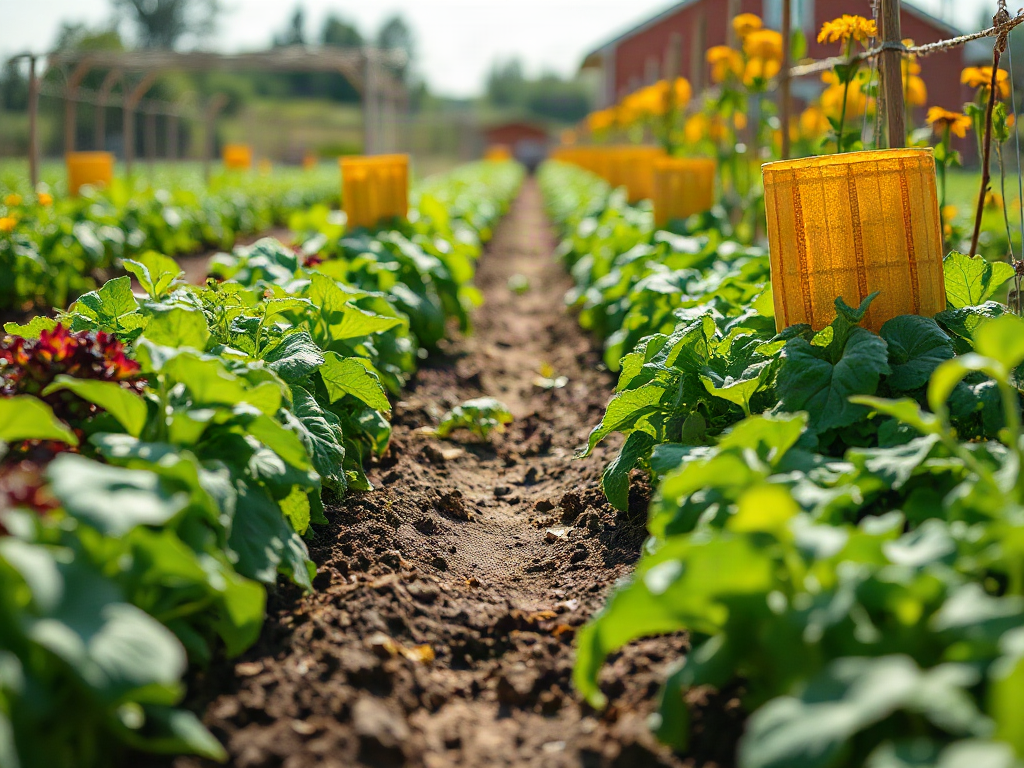
Homestead crop planning by growing season means matching each crop to local frost dates, soil temperature, daylight, and the time needed for harvest before extreme weather arrives. Build the plan backward from your last spring and first fall frost, then assign cool-season, warm-season, and overwintering crops to realistic planting windows. Include succession sowing for quick crops such as radishes and lettuce, stagger tomatoes and peppers only when indoor-starting space allows, and reserve beds for fall roots or cover crops. The most common mistake is treating calendar dates as guarantees; soil conditions, microclimates, water access, and available labor can shift a workable planting date by several weeks.
Build a Seasonal Crop Calendar From Local Conditions
A useful crop calendar begins with conditions rather than a generic month-by-month chart. Record the average last spring frost and first autumn frost for your area, but treat those dates as planning estimates instead of promises. Soil temperature, wet ground, wind exposure, elevation, and the protection offered by a south-facing wall can make one bed ready while another remains unsuitable.

Separate the growing year into practical windows: early cool weather, frost-safe warm weather, late-summer planting, and the period when hardy crops can remain outdoors or be protected. This approach is more useful than labeling an entire month as “planting time.” Peas may tolerate cool soil, while beans generally need warmer conditions. Lettuce can handle conditions that would slow cucumbers, and garlic is usually planted for a later harvest rather than immediate growth.
Make a simple record for each crop that includes direct sowing or transplanting, days to maturity, preferred temperature, harvest period, and whether it tolerates light frost. Add the time needed to harden seedlings, prepare beds, install trellises, or protect plants. A tomato started indoors is not ready for the garden merely because its seed packet says the variety matures in a certain number of days; the plant must first establish after transplanting.
Use Homestead Crop Planning by Growing Season as a working document that changes as you observe your property. A cold pocket at the bottom of a slope may delay early planting, while a sheltered bed may extend autumn harvests. The common failure is copying dates from a warmer region. Check local extension calendars, then refine them with your own records of germination, frost, pest pressure, and harvest timing.
Assign Crops to Spring, Summer, Fall, and Winter Windows
Each season has a different job in a productive homestead garden. Early spring favors crops that germinate and grow in cool conditions, including peas, spinach, radishes, kale, onions, and many lettuces. These crops can provide food before heat-loving plants occupy the beds. Some may bolt as temperatures rise, so planting modest quantities at intervals is usually more practical than sowing the entire row at once.
Warm-season planting belongs after the soil has warmed and the risk of damaging frost has passed. Beans, corn, cucumbers, squash, melons, tomatoes, peppers, and eggplants need different amounts of heat and time, so they should not be treated as one group. Bush beans may be direct-sown once conditions are favorable, whereas peppers often justify an earlier indoor start because their outdoor season may be too short in cooler locations.
Late summer is a second planting opportunity, not merely the end of the garden. Count backward from the expected first autumn frost to schedule fall carrots, beets, turnips, spinach, Asian greens, and brassicas. A crop that matures in 45 days may need more than 45 calendar days if declining light slows growth. Leave room for row cover or a low tunnel if you intend to harvest beyond the first frosts.
Winter planning depends on climate and protection. In mild areas, hardy greens, leeks, carrots, and some herbs may continue growing slowly. In colder regions, winter may be primarily a storage and preparation season, with garlic or overwintered onions planted beforehand. The mistake is filling every bed with summer crops and discovering in August that there is no prepared space for fall food. Keep a succession schedule and reserve at least some bed capacity for the next useful season.
Turn Bed Space Into a Harvest Sequence
Crop planning works best when each bed has a sequence instead of a single crop assignment. A bed might produce spring spinach, followed by bush beans, followed by fall carrots or a cover crop. This sequence increases the value of limited space, but only when the timing, fertility, and disease risks are compatible.
Start with the crops that matter most to the household. Fresh salad greens, dependable cooking vegetables, storage onions, potatoes, or canning tomatoes may deserve priority over novelty crops. Then estimate quantities using actual eating and preservation habits. Planting a large number of zucchini plants because they are easy to grow can create a harvest-management problem, while too few onions may leave a major gap in winter meals.
Succession sowing is especially effective for short-lived crops. Instead of planting all the radishes or lettuce on one date, sow smaller sections every week or two while weather remains suitable. The same method may work for beans, beets, and some greens. It is less useful for crops harvested all at once, such as processing tomatoes intended for a specific canning day, unless the stagger is deliberate.
Rotation should influence the sequence. Repeating tomatoes, peppers, or eggplants in the same soil can increase disease pressure, while following heavy-feeding crops with lighter feeders or soil-building plants may make resource use easier to manage. Rotation is not a cure-all, particularly where diseases persist in soil, but it is more sound than choosing the next crop solely because an empty bed is available.
For each bed, write four lines: first crop, expected removal date, follow-up crop, and the preparation needed between them. For example, early peas can be followed by cucumbers only if compost, trellis materials, and irrigation are ready before the peas finish. A common mistake is planning the second crop without allowing time for clearing roots, replenishing organic matter, or correcting compaction.
Adjust the Plan for Labor, Water, and Weather Risk
The largest garden is not automatically the most productive garden. A crop plan must fit the hours available for sowing, weeding, watering, harvesting, and preservation. Crops that mature during a busy work period may be poor choices even if they grow well. Green beans, for instance, require repeated picking, while winter squash may need less frequent harvest attention but more space and curing room.
Water access should shape bed placement and crop selection. Put thirsty transplants and succession crops where hoses or irrigation lines are convenient, and avoid placing delicate seedlings at the far edge of a property that is difficult to reach. Mulch may reduce evaporation and suppress weeds, but it does not replace checking soil moisture beneath the surface. Newly seeded beds need more frequent attention than established plants.

Build modest redundancy into the plan. Planting every tomato variety on one date creates a concentrated risk from a late frost, transplant shock, or disease. A small second planting, a protected backup tray, or a mix of early and midseason varieties may be more sensible than purchasing far more seed. Similarly, do not dedicate the entire harvest plan to one crop that depends on a narrow weather window.
Use a short priority list when conditions go wrong:
- Protect established seedlings and recently transplanted crops before adding new plantings.
- Resow crops with short maturity periods when germination fails.
- Delay warm-season crops in cold, saturated soil rather than forcing them into poor conditions.
- Reduce the number of low-priority crops if watering, weeding, or harvesting has exceeded available time.
Signs that the plan is working include steady harvests rather than one overwhelming glut, prepared beds available for the next crop, and planting records that match actual local conditions. Signs of failure include repeated missed harvests, seedlings waiting too long indoors, empty beds during favorable weather, or preservation crops ripening faster than they can be handled. Homestead Crop Planning by Growing Season should be reviewed after each season, with changes based on observed workload and results rather than optimism.
Use Records to Improve Next Year’s Planting Decisions
A planting calendar becomes more accurate when it includes observations from the homestead. Record sowing dates, transplant dates, first harvest, final harvest, weather interruptions, pest damage, and the amount actually used by the household. These notes reveal whether a crop failed because of poor timing, unsuitable conditions, insufficient water, or simply because it was planted in greater quantity than needed.
Compare planned maturity with harvest maturity, especially for fall crops. Short days and cool temperatures often slow late-season growth, while heat can accelerate bolting in leafy vegetables. If carrots were too small at the expected harvest date, the next adjustment might be earlier sowing rather than a different variety. If lettuce repeatedly becomes bitter before it is eaten, smaller succession plantings or more shade may be preferable to increasing production.
Keep separate notes for direct-sown crops and transplants. A transplant may gain a head start but can lose that advantage through root disturbance, hardening problems, or cold soil. Direct sowing may be slower but avoids indoor space and labor. Neither method is universally better; the appropriate choice depends on crop, climate, available equipment, and the value of an earlier harvest.
At the end of the season, mark crops as keep, reduce, replace, or test. This prevents next year’s plan from becoming a repetition of seed-catalog enthusiasm. Connect planting decisions with household use, preservation capacity, and soil recovery. Homestead Crop Planning by Growing Season becomes genuinely useful when it records what the property and household actually demonstrated.
For regional planting dates, frost information, crop-specific recommendations, and soil guidance, consult your state university extension service, local cooperative extension office, and the USDA Plant Hardiness Zone Map. These sources provide regional context, but your own planting and harvest records remain necessary for adjusting dates to a particular site.
Frequently Asked Questions
Should planting dates be based only on the USDA hardiness zone?
No. Hardiness zones describe average winter temperature patterns, not spring soil readiness, summer heat, frost timing, rainfall, or daylight. Use local frost information and site observations alongside the zone.
When should a homestead garden plan be made?
Draft the main plan before seed ordering, then revise it before each planting window. Include bed availability, indoor-starting space, water access, harvest labor, and preservation dates.
What crops are suitable for early spring?
Peas, spinach, radishes, kale, onions, and many lettuces generally handle cool conditions better than beans, cucumbers, tomatoes, and peppers. Confirm local soil and frost conditions before sowing.
How does succession planting prevent waste?
Small plantings made at intervals spread harvests across more weeks. This is useful for lettuce, radishes, greens, and beans, but less useful when a crop is intended for one large preservation session.
What should be done when a crop is late?
Check soil moisture, temperature, pests, and actual daylight conditions before resowing. For a short-season crop, choose an earlier variety, use protection, or replace it with a faster crop that still fits the remaining season.
Conclusion
A reliable seasonal crop plan connects local frost patterns with soil readiness, crop maturity, bed sequences, household demand, and available labor. Give priority to foods you will actually eat or preserve, then place cool-season, warm-season, and fall crops into windows that allow realistic establishment and harvest. Leave time between crops for clearing and soil preparation, and avoid treating seed-packet maturity dates as guarantees. Water access and weather protection deserve attention before adding more varieties or expanding the garden. After harvest, record what matured, what bolted, what overwhelmed your schedule, and what failed under local conditions. Those observations make next year’s plan more precise, less wasteful, and better matched to the actual rhythm of the homestead.