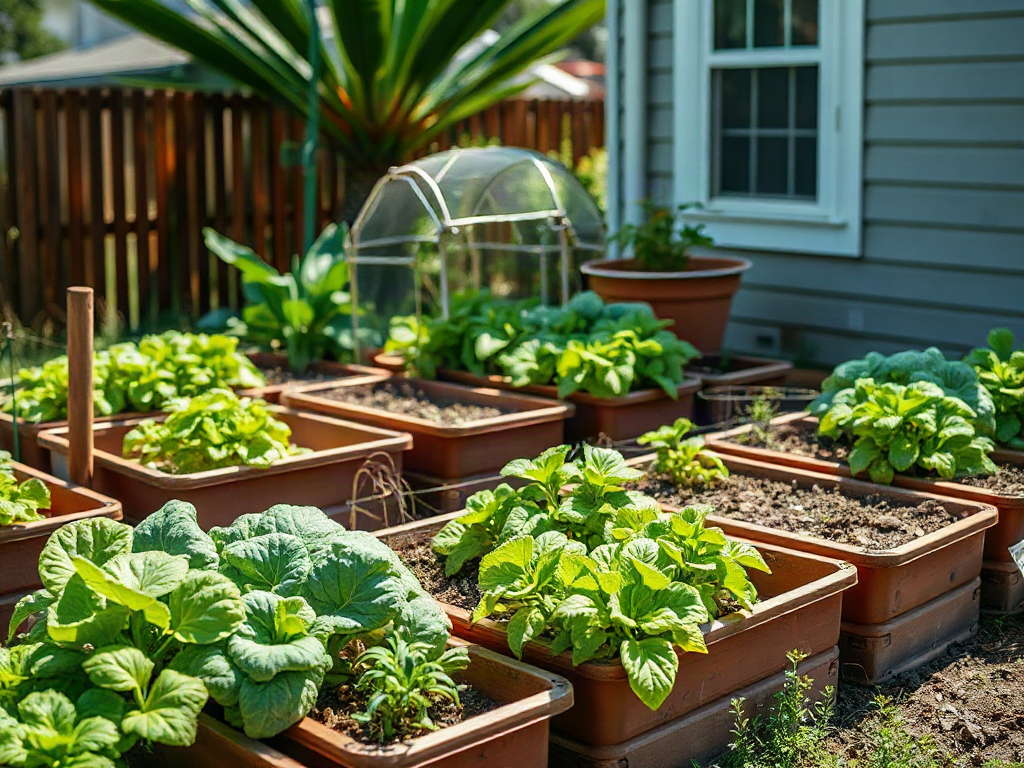
Front yard farming rules, yields, and practical layouts depend on local ordinances, visibility, sunlight, water access, and the crops chosen for the available footprint. Check zoning, setback, nuisance, and homeowners association requirements before removing turf, then use tidy beds, defined paths, and attractive plantings that fit the street-facing setting. Leafy greens, herbs, radishes, and compact root crops usually provide quicker returns than sprawling melons or corn. A productive layout separates tall plants from sunny edges, keeps irrigation near the house, and leaves enough access for harvesting and maintenance. Start with a modest test area so drainage, neighbor concerns, pest pressure, and realistic harvest volume can be evaluated before expanding.
Check Front Yard Farming Rules Before Planting
Front yard farming is governed less by a single universal rule than by overlapping local requirements. A city or county may regulate accessory structures, fences, irrigation runoff, composting, livestock, sightlines, parking, or the height and placement of vegetation. A private homeowners association may impose separate appearance standards, while a utility easement or drainage swale can limit where beds may be installed. Reviewing those constraints before buying materials prevents an expensive redesign.

Look for municipal zoning and land-use pages first, then check nuisance, water-use, and property-maintenance codes. Ask specifically whether edible plants are treated differently from ornamental landscaping, whether raised beds have height limits, and whether a front-yard fence requires approval. Rules can vary even between neighboring jurisdictions. Written confirmation is more useful than relying on a social-media summary or a neighbor’s interpretation.
Visibility also affects practical acceptance. A neat bed with mulch, edging, and a clear path is easier to defend as maintained landscaping than a collection of improvised containers and leaning trellises. Keep plants from blocking sidewalks, curb views, address numbers, hydrants, or driveway sightlines. Avoid chemical drift and standing water that could affect adjoining property.
A common mistake is treating legal permission as the only test. Even when food crops are allowed, a location may fail because stormwater runs toward the foundation, vehicles splash road grit onto leaves, or a tree’s roots make digging difficult. Resolve those physical risks before choosing seeds. The related topic of Front yard farming rules, yields, and practical layouts is most useful when legal, visual, and growing constraints are considered together.
Estimate Realistic Yields From the Available Space
Yield depends on crop type, planting density, succession timing, weather, soil quality, and how often the gardener harvests. A small front yard can produce a meaningful supply of herbs and salad ingredients, but it should not automatically be described as a substitute for a large backyard plot. The most reliable estimate comes from measuring usable growing area and assigning it to crops with known harvest patterns rather than counting the entire lawn.
Fast, repeat-harvest crops often make efficient use of a visible garden. Cut-and-come-again lettuce, arugula, kale, chard, parsley, basil, and green onions can provide several picking opportunities when watered consistently. Radishes mature quickly but occupy the bed briefly; a second sowing can follow them. Tomatoes and peppers may produce well vertically, yet each plant needs support and can shade shorter crops. Corn, pumpkins, and large squash generally consume more ground area than their front-yard appearance or harvest value justifies.
For example, a narrow bed along a sunny walkway might be divided between herbs near the kitchen path, greens for repeated picking, and a few trellised cucumbers at the rear. That arrangement usually offers more frequent use than filling the same bed with one late-season crop. A gardener seeking storage crops may reasonably choose potatoes or winter squash, but should accept their larger footprint, longer occupancy, and more demanding harvest window.
Weak planning assumptions usually involve planting too densely or treating a packet’s potential yield as a guarantee. Crowded foliage dries slowly, airflow declines, and harvesting becomes difficult, which can reduce usable production. Track what is actually picked by handful, bunch, or basket during the first season. That record reveals whether the limiting factor was sunlight, irrigation, pests, planting dates, or simply insufficient household demand.
Choose a Layout That Looks Intentional
A productive front yard layout should read as deliberate landscaping from the street. Repeated bed shapes, consistent edging, mulched paths, and a restrained plant palette create order while still leaving room for food production. Rectangular beds are easy to measure and cover, while curved beds can soften a driveway or walkway but make spacing and irrigation less efficient.
Place the tallest permanent features where they will cast the least unwanted shade. In the Northern Hemisphere, tall trellises and pole crops are generally better on the north side of shorter plants, although the actual sun path and nearby buildings matter more than a rigid rule. Keep low herbs and greens near paths where frequent harvesting is convenient. A front-facing bed that requires stepping into the soil will compact roots and become harder to maintain.
Raised beds can improve soil control and make the garden visibly finished, but they cost more and may dry faster than in-ground beds. In-ground planting can be cheaper and cooler in hot weather, yet it demands better testing for compaction, drainage, and possible contamination. Containers offer flexibility near a porch but require more frequent watering and may overheat at pavement edges.
Use trellises carefully. A cucumber or bean support can add height and harvest without consuming much ground, but an unstable frame becomes a visual and safety problem in wind. Choose sturdy materials, anchor them securely, and keep climbing growth away from overhead lines. One practical design test is to photograph the yard from the street and from inside the house. If the layout appears cluttered, remove elements before adding more crops.
Edible ornamentals can bridge the appearance gap: colored chard, purple basil, compact peppers, strawberries, and flowering herbs provide food while functioning as landscape plants. The goal is not to hide the garden, but to give each bed a clear edge, purpose, and maintenance standard. For ideas that combine appearance with output, compare Front yard farming rules, yields, and practical layouts against the specific demands of your property.
Match Crops, Water, and Maintenance to the Site
Sunlight and water access should decide the crop list before personal preference does. Most fruiting vegetables need several hours of direct light, while some leafy greens tolerate partial shade, especially during warm weather. Observe the yard at different times rather than judging it from a single sunny morning. Seasonal shade from deciduous trees can change the best planting location between spring and midsummer.
Watering is often the hidden limit of a front-yard garden. Beds beside a hose connection or rainwater collection point are easier to maintain than attractive beds at the far end of a lot. Drip lines or soaker hoses can deliver water at soil level and reduce wet foliage, but they still require inspection for clogged emitters, leaks, and damaged tubing. Mulch reduces evaporation and suppresses weeds, though it should not touch plant stems closely enough to stay constantly damp.

Road exposure creates additional concerns. Salt, dust, pet traffic, and runoff may make the strip nearest a busy street unsuitable for edible leaves. Use that edge for ornamental plants or a buffer, and place food crops farther from traffic when possible. Raised beds do not automatically solve contamination or splash problems; their drainage and soil source still matter.
Maintenance should fit the hours actually available. A daily-harvest garden near the front door may succeed where a remote plot fails because ripe produce is noticed immediately. Conversely, a homeowner who travels often may prefer herbs, onions, and hardy greens over crops that demand frequent picking. Signs the system is working include steady new growth, manageable weeds, dry foliage between watering, and paths that remain usable. Failing signs include cracked soil, persistent puddles, collapsed supports, and produce left unharvested.
Build a Manageable First-Season Plan
The strongest first-season plan treats the garden as a measured experiment. Begin by mapping sun, utilities, drainage, pedestrian routes, and the distance to a water source. Mark a modest bed rather than converting the entire lawn. Test the soil according to local extension guidance, improve poor structure gradually, and use clean, known soil or compost sources when filling raised beds.
Choose crops in three groups: dependable staples, quick fillers, and one or two experiments. Dependable staples might include chard, herbs, bush beans, or compact tomatoes suited to the local growing season. Quick fillers can occupy gaps between slower plants, while experiments should be limited so an unsuccessful variety does not dominate the harvest. Staggering sowings of greens or radishes often produces a steadier supply than planting everything on one weekend.
A compact priority list keeps spending under control:
- Confirm rules, easements, and sidewalk or driveway clearances.
- Measure actual sunlit growing area and plan paths before buying plants.
- Secure water access, edging, mulch, and support structures.
- Plant fewer varieties than the space can technically hold.
- Record harvests, pest damage, watering problems, and time spent.
Do not judge the project only by pounds harvested. A front bed may be worthwhile because it supplies fresh herbs, reduces trips for salad greens, or uses a difficult strip of lawn productively. Still, output must justify maintenance. If watering consumes too much time, shorten the bed or install a simpler irrigation arrangement. If neighbors object to untidy growth, improve edging and remove overgrown plants rather than abandoning the productive concept.
Before expanding, review which crops were eaten, which required excessive attention, and where failures occurred. Apply those observations to the next design. A second phase might add a trellis, a perennial herb border, or a better water line, but expansion should follow evidence from the first bed. That approach makes Front yard farming rules, yields, and practical layouts a working property plan instead of a one-season impulse.
For location-specific rules, consult your city or county planning department and homeowners association documents. University cooperative extension services are useful for local planting dates, soil testing, crop selection, irrigation practices, and pest identification; their recommendations are generally more relevant than a generic national planting calendar.
Frequently Asked Questions
Is front yard farming legal everywhere?
No. Rules vary by municipality, zoning district, HOA, easement, and property conditions. Verify requirements for edible landscaping, structures, fences, livestock, sidewalks, and sightlines before construction.
Which crops usually provide useful front-yard harvests?
Herbs, leafy greens, radishes, green onions, bush beans, compact peppers, and trellised cucumbers are often practical because they offer repeated or relatively quick harvests without requiring large fields.
How much space should a beginner convert?
Use a small, clearly defined bed that can be watered and weeded easily. Expanding after one season gives better information about sunlight, household demand, pests, and maintenance time.
Are raised beds better than planting directly in the lawn?
Raised beds offer control over soil and shape, while in-ground beds may cost less and hold moisture better. The better choice depends on drainage, existing soil, budget, accessibility, and local restrictions.
How can a food garden look orderly from the street?
Use consistent edging, defined paths, mulch, repeated plant groupings, sturdy trellises, and a restrained color palette. Keep tall growth away from sightlines and remove damaged or overgrown plants promptly.
Conclusion
A successful front-yard food garden begins with permission, measurements, and a realistic harvest target. Confirm local rules and private restrictions, observe sunlight and drainage, then place a modest bed where water and daily attention are convenient. Favor crops that match the space and your household’s eating habits rather than filling every opening with demanding plants. Raised beds, containers, and in-ground rows each have legitimate uses; appearance, cost, moisture needs, and soil conditions should determine the choice. Tidy edges and stable supports make productive planting easier for neighbors to accept and easier for you to maintain. Record harvests and failures throughout the season, and expand only where the first installation proves manageable.