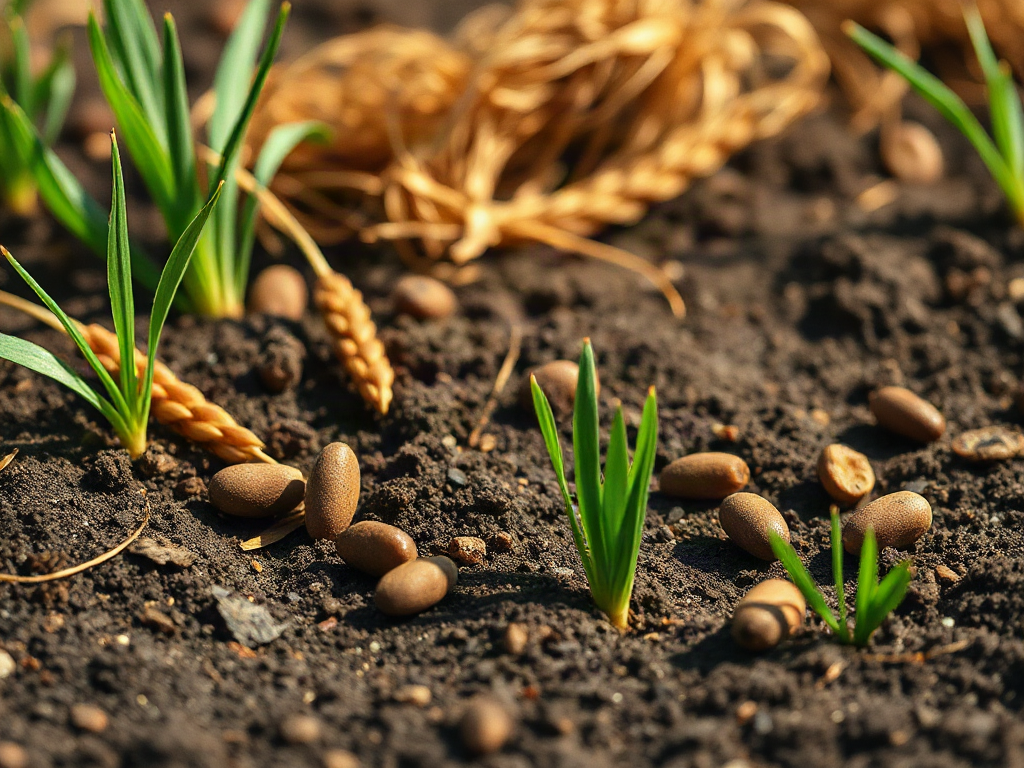
Dry farming basics for water-limited homesteads center on storing winter moisture in deep, well-structured soil and matching crops to the local dry season. Choose drought-tolerant grains, beans, squash, or selected perennial plants; prepare a weed-free seedbed; plant when the soil profile is charged; and protect that moisture with timely cultivation or carefully managed mulch. Dry farming is not the same as simply watering less, because a crop may fail when weeds consume stored water, soil is compacted, or planting occurs after the useful moisture window. Start with a small trial plot, track rainfall and soil moisture, and reserve limited irrigation for establishment or unusually severe stress.
What Dry Farming Requires From Soil and Climate
Dry farming produces a crop without routine irrigation during the growing season by relying on moisture stored in the soil from rain or snow. The method works only when rainfall timing, soil depth, crop demand, and growing-season length fit together. A water-limited homestead should evaluate those conditions before buying seed or expanding a field, because dry farming is a water-budget decision rather than a no-water promise.

Deep, loamy soil generally offers more useful storage than shallow gravel, exposed bedrock, or heavily compacted ground. Clay may hold substantial water but release it slowly, while sandy soil drains quickly and may need organic matter and careful residue management. Organic matter can improve aggregation and infiltration, but adding compost does not turn a shallow site into a deep reservoir. Test drainage by observing the plot after a strong rain, digging several soil profiles, and noting where roots stop or water stands.
Climate matters as much as annual precipitation. A region can receive adequate yearly rain yet remain unsuitable if most moisture arrives after crops have finished or if hot winds rapidly increase evaporation. Compare local rainfall timing with frost dates, summer heat, and the length of the dry period. A small grain planted in cool spring soil may use stored moisture differently from a warm-season squash crop that faces peak evaporation in midsummer.
Do not confuse dry farming with drought survival. A genuinely dry-farmed field may receive no planned irrigation, but an emergency watering option can protect seedlings or a valuable perennial. The practical goal is to produce food with a predictable, limited water allocation. Readers building a broader water-limited homestead plan should also compare field crops with container growing, tree crops, and irrigated kitchen beds rather than forcing every crop into one system.
Crop Selection and Planting Timing
Crop choice determines whether stored soil moisture can carry a plant through flowering and seed production. Crops with shorter maturity periods, efficient root systems, and tolerance for dry conditions are usually better candidates than high-water vegetables harvested for tender foliage. Dry-farm possibilities vary by climate, but commonly tested choices include hard wheat, barley, rye, oats, dry beans, chickpeas, certain corn types, winter squash, and some perennial herbs or fruit trees.
Seed catalogs often use terms such as drought tolerant, drought resistant, or dry-farmed without explaining local performance. Treat those labels as starting points, not guarantees. A dry bean variety that performs well in a cool interior valley may fail in a hot location with a different disease pressure and planting window. Ask regional university extension services, conservation districts, or experienced growers which crops have completed their life cycle without irrigation in comparable soil.
Timing is a moisture-management tool. Planting too early can expose seed to cold, saturated soil and slow emergence; planting too late may leave the crop competing with weeds after the surface dries. The useful window is when soil moisture is deep enough for germination and roots can continue downward before the dry season intensifies. Winter annual grains may be planted in autumn where seasonal rainfall supports establishment, while spring crops may depend on late-winter moisture.
Consider the crop’s harvest purpose. Grain harvested at maturity may be more realistic than fresh lettuce, which demands a steady water supply for tender leaves. A small plot of dry beans can provide a storable food, while a dry-farmed tomato patch may produce unevenly without supplemental water. Trial two or three varieties in the same bed, record emergence and harvest dates, and save seed only from healthy plants if the variety is suitable for your climate and legally available for that purpose.
- Best first trials: small grains or locally proven legumes with modest plantings.
- Higher-risk trials: large-fruited crops, late-maturing corn, and crops needing continuous tender growth.
- Reserve irrigation for: seedling establishment, transplant recovery, or severe stress in high-value plants.
Crop selection also belongs beside seed-saving and seasonal planting decisions. A crop that matures reliably but produces little may be less useful than one with a lower peak yield and dependable harvest.
Soil Preparation, Weed Control, and Moisture Storage
Successful dry farming begins before planting with infiltration and moisture conservation. Rain must enter the soil rather than run off, and roots must be able to explore below the drying surface. Deep ripping can help a genuinely compacted layer, but aggressive tillage can break aggregates, expose moist soil, and increase erosion. Digging a few test holes before working the field is more useful than assuming every hard layer needs the same treatment.
A firm seedbed with a loose upper layer often gives small seeds consistent contact with moisture. Larger seed may be placed deeper if the crop and soil permit, but excessive depth can exhaust the seedling before it reaches light. Use the planting depth recommended for the crop, then check several spots after planting to confirm that seed is in moisture rather than merely buried in dry dust.
Weed control is one of the highest-value dry-farming tasks because weeds spend the same stored water needed by the crop. A weed-free period before planting can increase the moisture available at emergence. Shallow cultivation while weeds are small may break the surface connection that moves water upward, but repeated disturbance can also dry soil and damage crop roots. Cultivate only when the soil is workable and weeds are young; do not use a calendar schedule that ignores actual conditions.
Mulch and residue involve a tradeoff. Straw or crop residue can shade the soil and slow evaporation, but a thick, cool layer may delay spring warming or interfere with direct seeding. Surface residue can also shelter pests in some settings. Organic matter incorporated into soil works gradually and should not be treated as an instant substitute for rainfall. On sloping ground, contour-oriented beds, residue, and vegetation buffers may reduce runoff, while bare soil can erode during a single intense storm.
A practical preparation sequence is to inspect compaction and drainage, control perennial weeds, preserve useful residue, and prepare only the planting strip needed for the chosen crop. Compare a lightly tilled strip with a residue-covered strip rather than changing the whole field at once. Signs the approach is working include rapid emergence, roots found below the top few inches, and soil that remains crumbly rather than sealed after rain. Crusting, runoff, shallow roots, or a dense weed flush signal that the system needs adjustment.
Managing Risk and Reading Crop Stress
Dry-farmed crops often show stress before they fail, so observation should guide decisions. Wilting during the hottest part of the day may be temporary, while leaves that remain limp in the morning suggest deeper water shortage. Rolled leaves, slowed growth, poor flowering, and aborted pods can indicate that available moisture is not meeting demand. Similar symptoms may come from root damage, nutrient imbalance, disease, or herbicide injury, so watering blindly can waste scarce supplies.
Dig beside a representative plant rather than judging the surface alone. Moist soil near the stem does not prove that the full root zone is supplied, and a dry surface may hide usable moisture below. Compare plants on different parts of the plot, especially upper and lower slopes. A crop that performs well in a depression but fails on a shallow shoulder is revealing a soil-depth difference, not necessarily a seed-quality problem.

Emergency irrigation should have a defined purpose. A modest application that helps seedlings establish may be worthwhile; repeated small sprinklings that wet only the surface can encourage shallow roots and create a cycle of dependence. If irrigation is available, direct it to the root zone and prioritize plants closest to flowering or harvest value. Do not sacrifice household drinking water, livestock water, or legally protected sources for an experimental field.
Weather volatility is another constraint. A dry-farming plan can be undermined by a late frost, unseasonable heat, intense wind, or a rainstorm that arrives after the crop has already passed its useful stage. Staggering planting dates, using more than one variety, and keeping the trial area small can spread risk. The alternative—planting a large single crop because one past season succeeded—creates a larger loss when conditions shift.
Track rainfall, planting date, emergence, weed pressure, flowering, harvest, and any supplemental water. A simple notebook can show whether failure came from late planting, insufficient soil depth, poor weed control, or an unsuitable crop. That record is more valuable than copying a generic recommendation from a wetter region.
A Practical First-Season Dry-Farming Plan
The safest first season treats dry farming as a measured field trial. Choose a site with the deepest practical soil, good infiltration, and protection from concentrated runoff. Start with an area small enough to weed and inspect by hand. Planting a quarter of the available space with a locally proven grain or legume is often more informative than scattering many untested crops across a large field.
Before sowing, remove perennial weeds and check whether a spade or broadfork reveals a hard layer. Avoid working wet clay, which can form lasting clods, and avoid pulverizing dry soil into fine dust. Prepare a level, firm seedbed, retain useful residue, and plant into moisture at the locally appropriate date. Label varieties so harvest results can be compared rather than remembered inaccurately.
Use this priority order during the season:
- Protect household, livestock, and emergency water supplies before allocating water to crops.
- Keep the crop weed-free while seedlings are establishing and before canopy closure.
- Inspect root-zone moisture and plant condition after heat, wind, and missed rainfall.
- Record where growth differs and connect those differences to soil depth, slope, or treatment.
- Expand only after one or more crops mature with acceptable yield and manageable labor.
Harvest expectations should be modest in the first trial. Measure usable food, not just plant height or green biomass. A dry-farmed grain may yield a dependable pantry staple but require threshing and cleaning equipment; a bean may be easier to store but vulnerable to late-season rain. Compare the labor, storage value, and water use with an irrigated garden bed before deciding what deserves more space.
The most common mistake is expanding before identifying the limiting resource. If the soil is shallow, adding more seed will not fix the problem. If weeds dominate, a different variety may not help. If crops flower after the soil profile is depleted, earlier planting or an earlier cultivar may be more useful than extra mulch. Review the season record, change one or two variables, and use the next trial to test a clear hypothesis. That disciplined approach makes dry-farming planning more reliable without pretending that rainfall can be controlled.
For locally appropriate crop choices, planting windows, soil testing, and conservation practices, consult your state university extension service, USDA Natural Resources Conservation Service office, and regional conservation district. These organizations can interpret local soil and climate conditions more accurately than a universal dry-farming formula.
Frequently Asked Questions
What is dry farming?
Dry farming grows crops without routine irrigation during the season, using moisture stored from rainfall or snow. It depends on suitable soil, climate, crop choice, and timing.
Which crops are easiest to trial on a water-limited homestead?
Locally proven small grains, dry beans, chickpeas, and some winter squash are often more practical than crops needing continuous leafy growth. Regional performance matters more than a general drought-tolerance label.
Should dry-farmed beds be mulched?
Residue or mulch may reduce evaporation and erosion, but excessive material can delay warming, harbor pests, or interfere with planting. Test a moderate treatment suited to the crop and season.
How can I tell whether a crop needs water?
Check plants in the morning and inspect soil beside representative roots. Persistent morning wilt, slowed growth, poor flowering, and dry soil throughout the root zone indicate more serious stress than brief midday wilting.
Can dry farming work in shallow or sandy soil?
It may work for selected short-season crops, but shallow or rapidly draining soil leaves less stored moisture and raises risk. Use small trials, conserve residue, and consider reserving such ground for irrigated or lower-demand plantings.
Conclusion
Dry farming on a water-limited homestead succeeds when the soil stores enough moisture, the crop finishes before that reserve is exhausted, and weeds do not consume the supply first. Begin with a small, locally informed trial rather than converting an entire field. Examine soil depth and drainage, plant into the right moisture window, choose crops with realistic maturity dates, and keep an emergency water boundary that protects household and livestock needs. Record rainfall, emergence, weed pressure, flowering, harvest, and stress symptoms. Those observations reveal whether the limiting factor is soil, timing, crop choice, or management. Expand only when the harvest justifies the labor and risk, and use irrigation selectively rather than treating occasional watering as a substitute for sound dry-farming design.