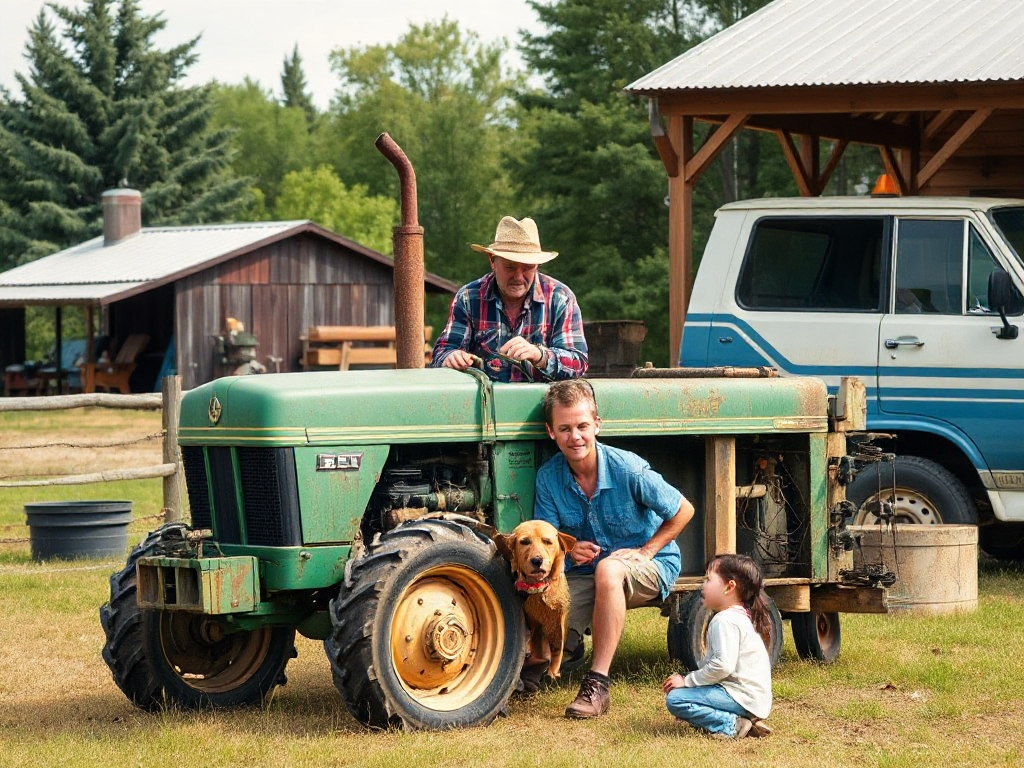
Buying used homestead equipment wisely requires a strategic approach to ensure you get quality tools at a fair price. Start by thoroughly inspecting the equipment for any signs of wear or damage, and always ask for maintenance records to gauge its history. Testing the equipment, if possible, can reveal its functionality and help you avoid costly repairs later. Researching the fair market value of similar items is essential to avoid overpaying. Lastly, consider how the equipment aligns with your current homesteading needs and future plans, as this will help you make a more informed investment.
Understanding the Importance of Buying Used Equipment
Buying used homestead equipment wisely is essential for maximizing your investment while minimizing costs. The homesteading lifestyle often requires substantial resources, and purchasing equipment second-hand can significantly reduce expenditures. However, understanding the nuances of buying used equipment can make the difference between a valuable acquisition and a regrettable mistake.

Used equipment can offer the same functionality as new items at a fraction of the cost. Additionally, many used tools and machines are built to last, often featuring more durable materials than their modern counterparts. This means that when bought wisely, used equipment can enhance your productivity without straining your budget.
Key Factors to Consider
When evaluating used homestead equipment, several key factors should guide your decision-making process:
- Condition: Assess the physical state of the equipment. Look for signs of wear, corrosion, or damage that could affect functionality. Ask for maintenance records if available.
- Functionality: Test the equipment if possible. Ensure all parts are operational and that it performs as expected. For larger machinery, request a demonstration to see it in action.
- History: Inquire about the equipment’s previous usage. Understanding how it was used and maintained can provide insight into its current condition and longevity.
- Market Value: Research the fair market value for similar equipment. This will help you determine if the asking price is reasonable and whether you are getting a good deal.
- Compatibility: Ensure the equipment aligns with your specific homesteading goals. Consider whether it suits your land, crops, or livestock needs.
By carefully weighing these factors, you can make informed decisions that will benefit your homesteading efforts.
Common Pitfalls When Buying Used Equipment
Despite the potential savings, several pitfalls can arise when purchasing used homestead equipment. Awareness of these common mistakes can help you avoid costly errors:
- Skipping Research: Failing to research the equipment’s market value and typical issues can lead to overpaying or buying faulty items. Take the time to understand the equipment’s specifications and its common repairs.
- Ignoring the Inspection: Rushing through an inspection can result in overlooking critical flaws. Always inspect equipment thoroughly, checking for mechanical integrity and signs of previous repairs.
- Not Asking Questions: Neglecting to ask the seller about the equipment’s history can leave you uninformed about potential issues. Be proactive in asking about repairs, usage, and any problems encountered.
- Overlooking Compatibility: Purchasing equipment that doesn’t fit your specific needs can lead to frustration and wasted money. Ensure that the equipment matches your homesteading plans.
Being mindful of these pitfalls will help you navigate the used equipment market more effectively.

Where to Find Quality Used Homestead Equipment
Finding quality used equipment requires knowing where to look. Here are some reliable sources to consider:
- Local Classifieds: Websites like Craigslist or Facebook Marketplace often list used equipment from local sellers, allowing you to inspect items in person.
- Auction Sales: Auctions can be a treasure trove for homesteaders, presenting opportunities to acquire equipment at competitive prices.
- Farm Equipment Dealers: Some dealers specialize in used equipment and may offer warranties or guarantees, adding an extra layer of security to your purchase.
- Online Marketplaces: Websites like eBay or specialized agricultural sites can have listings for used equipment, often with detailed descriptions and seller ratings.
- Community Boards: Local farming co-ops or homesteading groups may have bulletin boards where members post equipment for sale.
Utilizing these resources can enhance your chances of finding high-quality used homestead equipment that meets your needs.
Popular Questions
What is the fastest way to improve Table of Contents without making beginner mistakes?
The fastest way to improve Table of Contents is to simplify the process and control one variable at a time. Start with the most important baseline: define the goal, identify the main failure point, and test one change before making another. Keep short notes so you can connect the outcome to the adjustment you made. This prevents guesswork and helps you build a repeatable method instead of chasing random fixes.
What should you check first when Table of Contents is not working well?
Check the most immediate bottlenecks first: setup errors, missing inputs, bad timing, or inconsistent follow-through. Before buying anything new or changing the whole system, confirm that the basics are being done correctly and consistently. A small diagnostic checklist usually reveals the real problem faster than broad trial and error. Once the weak point is clear, make one correction and watch the result before adjusting anything else.
What common mistakes make Table of Contents harder than it needs to be?
The most common mistakes are changing too many variables at once, skipping the basics, and judging results too quickly. Many people also copy generic advice without adapting it to their exact situation, which leads to weak results and confusion. A better approach is to work from a simple baseline, make measured changes, and give each change enough time to show whether it helped. That makes progress easier to track and repeat.