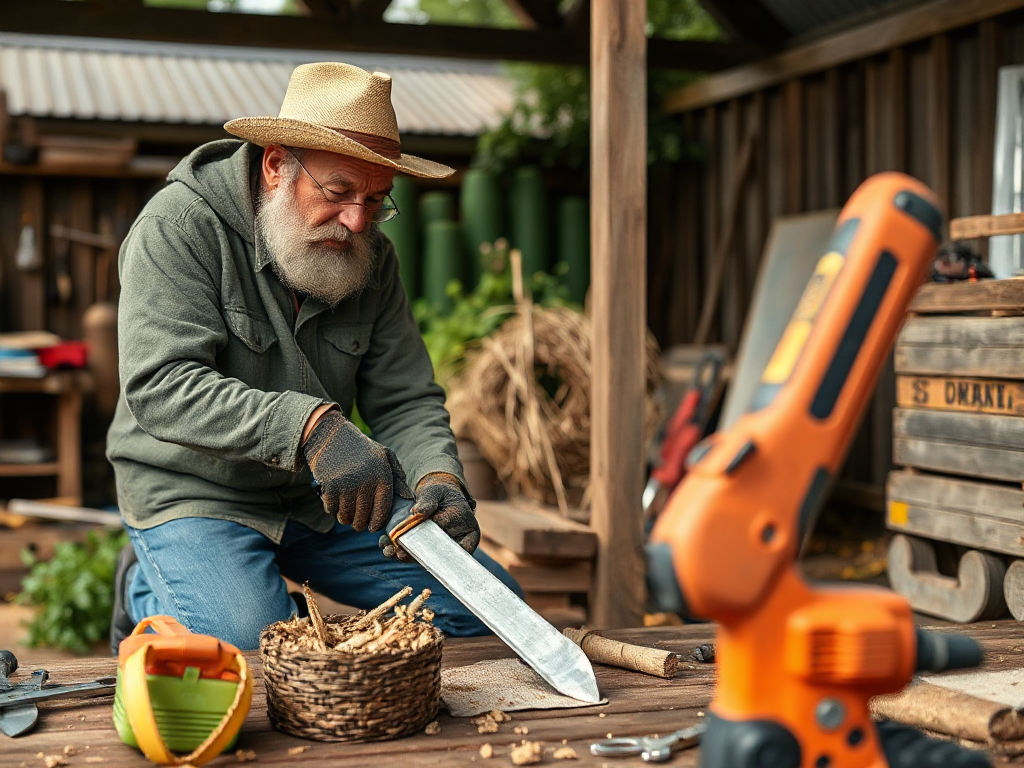
Low cost tools that last are durable, reliable, and practical for homesteading. Investing in high-quality, affordable tools like hand tools, gardening implements, and basic power tools ensures you can maintain your homestead effectively without frequent replacements. Look for tools made from robust materials, prioritize multipurpose functionality, and consider user reviews to avoid common pitfalls associated with cheaper alternatives. These choices not only save money but also enhance your efficiency in daily tasks.
Understanding the Importance of Durable Tools
Low cost tools that last are crucial for effective homesteading as they provide reliable performance without the burden of frequent replacements. Durable tools save money over time and contribute to the sustainability of your homestead operations. When tools are made to last, they can handle the rigors of daily use, whether it’s tilling soil, building structures, or maintaining livestock.

Investing in quality tools minimizes downtime caused by repairs or replacements, allowing you to focus on productivity. Additionally, durable tools often come with warranties or guarantees, offering peace of mind about your investment. Understanding the importance of durability in tools helps you make informed decisions that align with your homesteading goals.
Key Types of Low Cost Tools
Several key types of tools are essential for homesteading, each offering unique functions at a low cost. Hand tools, such as shovels, hoes, and rakes, are foundational for gardening and landscaping tasks. These tools are often lightweight and easy to use, making them ideal for beginners and experienced homesteaders alike.
Power tools, like drills and saws, are also important, especially for construction and maintenance projects. Look for affordable options that are known for their durability. Additionally, consider multipurpose tools that can serve several functions, reducing the need for multiple separate tools.
Investing in quality materials is key; stainless steel, for example, is resistant to rust and wear, ensuring that your tools remain functional for years. When selecting tools, prioritize those with positive reviews and proven longevity to ensure that you are getting the best value for your money.
Tips for Selecting Long-Lasting Tools
Choosing the right tools is critical to ensuring they last. Start by researching brands known for their durability and customer satisfaction. Read reviews and seek recommendations from fellow homesteaders to identify tools that stand the test of time.

When shopping, consider the material of the tools. Tools made from high-quality metals or composites are less likely to break or wear down quickly. Additionally, check for warranties or guarantees, which can indicate the manufacturer’s confidence in their product’s longevity.
Try to purchase tools that offer multipurpose capabilities. For instance, a tool that functions as both a hoe and a rake can save space and money. Make sure that the tools are comfortable to use, as ergonomic designs can reduce strain and increase efficiency during long working hours.
Maintaining Your Tools for Longevity
Proper maintenance is essential for extending the lifespan of your tools. Regular cleaning after use helps prevent rust and damage from soil or moisture. For metallic tools, consider oiling the blades and handles to protect against corrosion.
Store tools in a dry place, preferably hanging or organized in a way that prevents damage. Avoid leaving them exposed to the elements, as this can lead to rust and degradation. Regularly inspect your tools for signs of wear and tear, addressing issues before they become significant problems.
Furthermore, sharpening blades and replacing worn-out parts will enhance performance and prolong the life of your tools. By taking these maintenance steps, you ensure that your investment in low cost tools that last continues to pay off over time.
Popular Questions
How do I create a comprehensive table of contents for my homesteading guide?
Start by outlining all major topics you plan to cover, such as gardening, livestock, and sustainable living. Break each main section into smaller, detailed subtopics to ensure clarity and ease of navigation. Use logical order and grouping to make the table of contents intuitive for readers seeking specific information.
What are the best practices for organizing a table of contents in a homesteading article?
Use clear headings and consistent formatting to distinguish between main topics and subtopics. Incorporate page numbers or links if the content is digital, allowing readers to quickly find sections. Prioritize the most important or frequently referenced topics at the beginning for quick access.
How can I make my table of contents more user-friendly for homesteaders?
Include descriptive titles that accurately reflect each section's content, helping readers identify relevant topics at a glance. Consider adding clickable links or a clickable index for online content, enabling easy navigation. Keep the structure simple and avoid overly complex hierarchies to enhance usability.