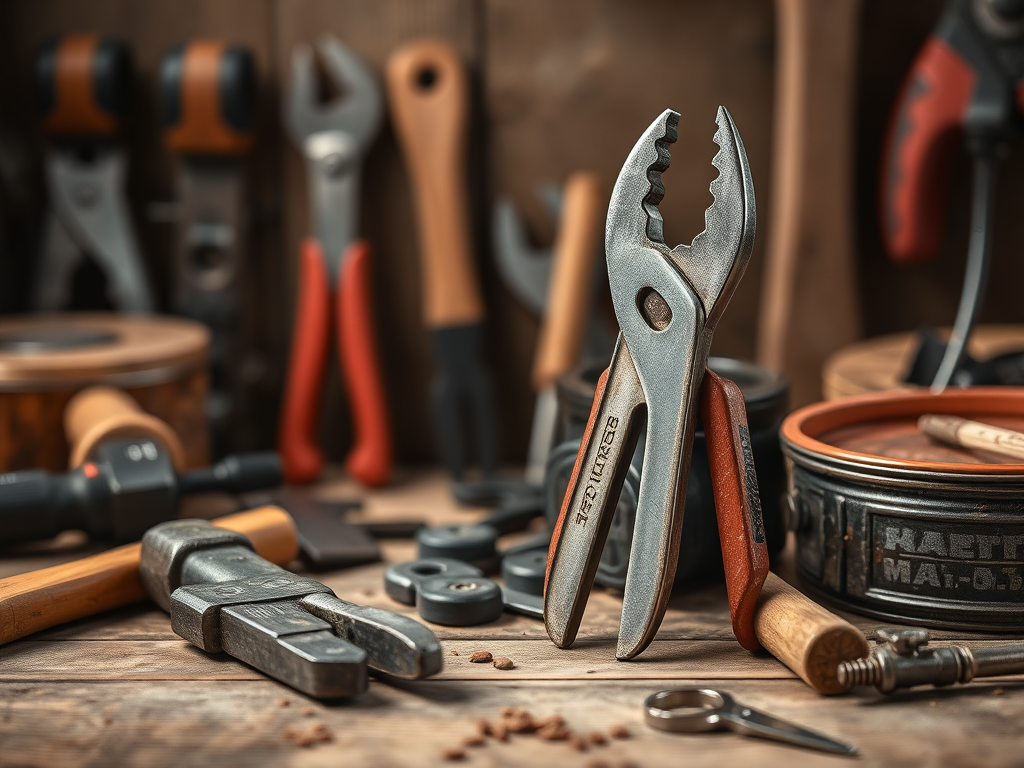
Essential tools for DIY home repairs on a homestead include a versatile toolset, a reliable power drill, and a comprehensive safety kit. These tools are crucial for addressing a variety of tasks, from fixing leaks to maintaining structures. Investing in high-quality equipment not only enhances repair efficiency but also improves safety and longevity of repairs, helping homesteaders manage their properties effectively.
Essential Hand Tools
Hand tools are the backbone of any DIY repair effort on a homestead. A well-rounded hand tool collection typically includes items such as hammers, screwdrivers, pliers, and wrenches. These tools are essential for completing everyday tasks like fixing furniture, installing shelves, or making minor repairs to structures.
The importance of hand tools lies in their versatility. For instance, a hammer is not only used for driving nails but can also assist in demolition tasks. Similarly, a set of screwdrivers in various sizes allows for adjustments and repairs on a wide range of appliances and fixtures.
Common mistakes include overlooking the quality of hand tools. Investing in reliable, durable tools is crucial as they can save time and effort in repairs. Cheap tools may break or fail during use, leading to frustration and potentially damaging projects. Therefore, prioritize quality and ensure you have a good mix of hand tools for different scenarios.
Power Tools for Efficiency
Power tools significantly enhance the efficiency of DIY repairs on a homestead. Key power tools include drills, saws, and sanders, which can make tasks like building, cutting, and finishing much quicker and easier. For example, a cordless drill is invaluable for its portability and ease of use, allowing you to tackle various projects without being tethered to a power source.
When selecting power tools, consider your specific needs. A circular saw, for instance, is excellent for cutting large pieces of wood, while a jigsaw is better suited for intricate designs. Understanding the strengths of each tool can help you choose the right one for your projects.
However, using power tools comes with its own set of risks. Always read the manuals and understand the safety features of each tool. A common mistake is neglecting safety precautions, which can lead to injuries. Always wear appropriate safety gear and ensure your workspace is clear of hazards.
Safety Equipment
Safety should be a top priority when undertaking DIY home repairs. Essential safety equipment includes gloves, goggles, ear protection, and masks. These items protect against common hazards such as sharp tools, flying debris, and harmful dust.
For example, wearing goggles while cutting materials protects your eyes from splinters and dust particles. Similarly, gloves can prevent cuts and abrasions while handling sharp objects. Investing in high-quality safety gear is not just smart; it’s necessary for minimizing risks associated with DIY projects.
A frequent oversight is underestimating the importance of safety equipment. Many DIYers skip wearing safety gear for quick tasks, which can lead to accidents. Always prioritize safety, regardless of the project’s size or complexity.
Maintenance Tools
Regular maintenance is vital for preserving the functionality and aesthetics of your homestead. Maintenance tools like lawnmowers, hedge trimmers, and pressure washers play a crucial role in keeping your property in top shape. A well-maintained homestead not only looks better but also prevents larger issues from arising.
For instance, using a pressure washer can help remove dirt and grime from surfaces, prolonging the life of your exterior structures. Similarly, regular lawn maintenance ensures that your outdoor spaces remain inviting and usable.

Many homesteaders overlook the need for maintenance tools until problems arise. Developing a routine maintenance schedule can help identify issues early, saving time and money in the long run. Consider creating a checklist for seasonal maintenance tasks to stay organized.
Frequently Asked Questions
What basic tools do I need for home repairs?
A hammer, a set of screwdrivers, pliers, and a wrench are essential for basic home repairs.
Are power tools necessary for DIY repairs?
While not strictly necessary, power tools greatly enhance efficiency and ease for many repair tasks.
What safety gear should I use during repairs?
Goggles, gloves, ear protection, and masks are crucial to protect yourself from common hazards.
How can I maintain my tools?
Regularly clean and inspect your tools, and store them in a dry place to prevent rust and damage.
What maintenance tools are essential for a homestead?
Lawnmowers, hedge trimmers, and pressure washers are key for maintaining the quality of your homestead.
Conclusion
Having the right tools for DIY home repairs on a homestead is essential for effective maintenance and safety. Prioritize quality hand tools, power tools, and safety equipment to streamline your repair processes. Regular maintenance tools are equally important to keep your property in good shape and prevent larger issues down the line. By investing in these essential tools and adopting safe practices, you can enhance your homesteading experience and ensure your home remains a functional and pleasant place to live.