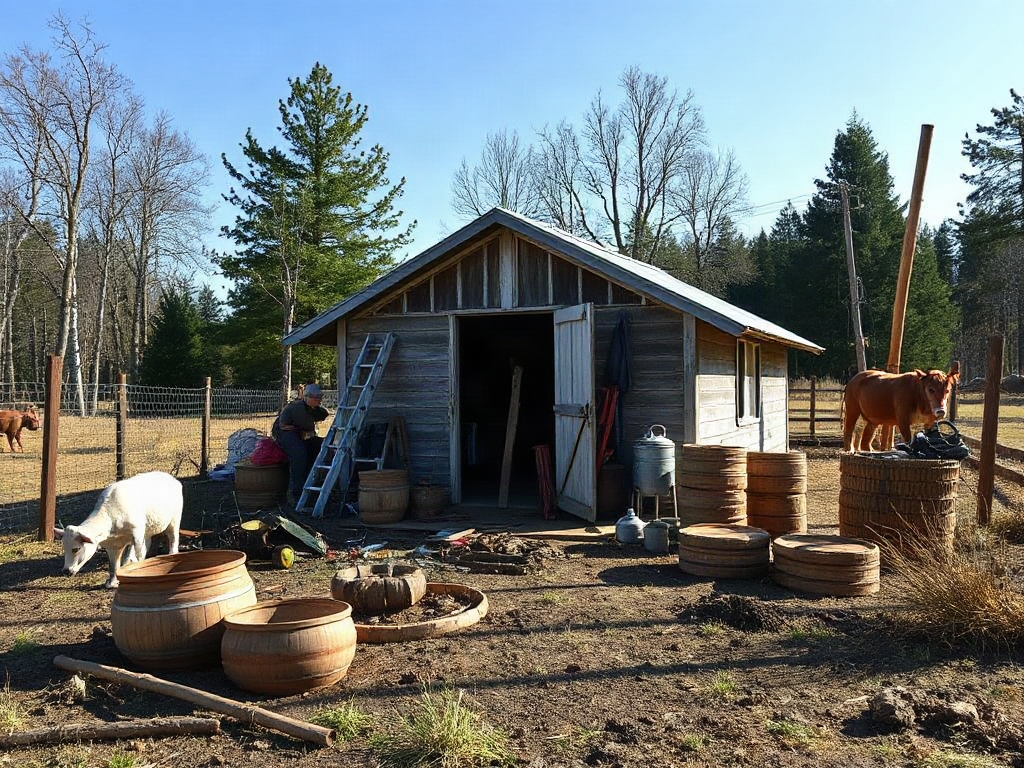
Homestead startup costs beyond the land purchase include site access, water, power, shelter, tools, fencing, permits, insurance, livestock, and a cash reserve for repairs and delays. A realistic first-year budget separates one-time infrastructure from recurring operating costs, then prioritizes water, sanitation, safe access, and weatherproof shelter before expansion projects. Fencing and animal housing often cost more than expected because materials, gates, labor, and predator protection add up quickly. Off-grid systems may reduce long-term utility bills but require substantial equipment and maintenance spending upfront. The safest approach is to price each project locally, stage purchases by necessity, and keep funds uncommitted for failures, seasonal expenses, and unexpected site work.
The Cost Categories Land Price Leaves Out
The purchase price gives you ownership of the property, but it does not make the property ready for daily living or production. A useful startup budget divides spending into four groups: essential site infrastructure, habitable living systems, homestead equipment, and cash reserves. That separation makes it easier to see which expenses create basic function and which ones can wait.

Essential infrastructure usually includes a driveway or access improvements, water development, electrical service or an alternative power system, wastewater handling, drainage, and basic communications. Living systems may include a dwelling, heating, cooking equipment, a refrigerator, laundry facilities, and safety upgrades. Production costs cover fencing, animal shelters, garden preparation, irrigation, hand tools, storage, and preservation equipment. Reserves cover repairs, fuel, replacement parts, professional work, and months when the property produces little usable output.
A small rural parcel illustrates the difference. A buyer may plan for a garden and chickens, then discover that the driveway needs gravel, the well pump needs electrical work, the soil requires amendments, and the chicken area needs buried or reinforced fencing. None of those costs are unusual, yet they can arrive before the first egg or harvest. The alternative—buying animals and production equipment immediately—creates obligations before basic services are dependable.
Use Homestead Startup Costs Beyond the Land Purchase as a working budget rather than a single grand total. Record each item as required now, useful within the first year, or optional. Add local quotes, expected timing, and a maintenance note. An item that looks inexpensive at purchase may require fuel, consumables, winter protection, or replacement parts.
Site Infrastructure That Determines Early Spending
Water, access, wastewater, and power deserve early attention because they affect nearly every later project. A garden cannot be reliably irrigated without a dependable water source, and livestock cannot be responsibly added before water delivery, drainage, and shelter are workable. Similarly, building materials become more expensive when trucks or contractors cannot reach the site safely.
Water costs can include a well evaluation, pump equipment, pressure components, storage tanks, filtration, plumbing, trenching, or connection fees. A spring or cistern may have a lower entry cost in some settings, but it can introduce treatment, seasonal flow, elevation, and storage concerns. Municipal service may be simpler to operate while carrying connection and ongoing utility charges. The right comparison is not only installation price; it is reliability, repair access, water quality, and performance during dry or freezing conditions.
Power creates a similar tradeoff. Utility connection may involve a long service run, trenching, a meter, and an electrician. Solar power can avoid some grid-extension work, but batteries, an inverter, mounting, generator backup, and eventual component replacement affect the true cost. A modest system sized only for lights will not necessarily support a well pump, freezer, workshop tools, or electric heat. List the starting and surge demands of each essential appliance before choosing an energy system.
Wastewater and drainage are easy to postpone and costly to ignore. Septic planning, permits, soil evaluation, graywater handling, culverts, swales, and erosion control can determine where a home, driveway, garden, or barn can go. Before spending on structures, verify local requirements with the relevant county or municipal office and identify areas vulnerable to standing water. A cheap building site that needs extensive drainage may be more expensive than a higher-priced location with dependable access and natural runoff.
Shelter, Fencing, Tools, and Production Equipment
Structures and equipment should follow the work the property can actually support. A weather-tight place to live and secure storage generally provides more value in the first season than a large barn, elaborate greenhouse, or full workshop. Shelter protects people, feed, tools, and animals from weather; fencing controls movement and reduces the risk of escapes, crop damage, and predator losses.
Fencing budgets must include posts, wire or panels, corners, gates, latches, bracing, tools, and a plan for terrain changes. A short run on level ground is not comparable to several hundred feet across rocky or sloped terrain. Electric fencing may be economical for some rotational or temporary applications, but it depends on energizer placement, grounding, vegetation management, and reliable power. Permanent woven wire may provide a stronger physical barrier while requiring more labor and materials. The less expensive option on paper may cost more if it fails repeatedly or needs constant repair.
Tool purchases also benefit from a staged approach. Basic hand tools, a wheelbarrow or cart, digging equipment, pruning tools, measuring tools, fasteners, and protective gear often serve more projects than specialized machines. Renting a post driver, auger, trencher, or chipper can make sense when a task is occasional. Buying may become reasonable when the tool will be used repeatedly, stored securely, and maintained without creating debt pressure.
Production equipment carries hidden commitments. Livestock require feed storage, waterers, bedding, handling equipment, fencing, veterinary access, and a plan for manure. Gardens require soil preparation, seed, irrigation parts, row cover, harvest containers, and storage. Food preservation may require a freezer, dehydrator, pressure canner, or shelving. A household that begins with a smaller garden and a few manageable animals can learn the property’s labor demands before paying for infrastructure designed for a larger operation.
Connect these decisions to Homestead Startup Costs Beyond the Land Purchase by pricing the complete system, not the headline item. A greenhouse is not merely a frame; it may need a foundation, ventilation, irrigation, benches, shade control, and winter heating. A tractor is not merely a purchase; it brings fuel, implements, storage, maintenance, and insurance considerations.
Operating Cash, Compliance, and a Staged Budget
Recurring expenses determine whether the homestead remains manageable after the initial purchases. Include property taxes, insurance, utilities, fuel, feed, seed, fertilizer or soil amendments, repairs, veterinary care, pest control, waste disposal, communications, and replacement parts. Some costs arrive monthly, while others are seasonal or irregular. A budget that records only predictable bills can still fail when a pump breaks or winter feed consumption rises.
Separate startup cash from operating cash. Startup cash pays for construction, equipment, fencing, and utility installation. Operating cash keeps the property functioning while crops establish and animals consume resources. A freezer may reduce food waste, but it also adds electricity use and may require backup power. A wood stove may reduce dependence on purchased heat in some homes, but it requires fuel handling, storage, maintenance, and safe installation. Each choice shifts costs rather than removing them.
Regulatory and administrative expenses should be checked before construction or sales activity begins. Local rules may affect septic systems, wells, accessory structures, electrical work, livestock numbers, road access, food sales, and water discharge. Requirements vary by location, so general online estimates cannot replace confirmation from the responsible authority. Insurance also deserves direct discussion with an agent because ordinary homeowners coverage may not address every farm-related activity, outbuilding, animal, or business use.

A practical staging sequence is:
- Stage one: confirm access, water, wastewater, power, drainage, insurance, and immediate safety needs.
- Stage two: establish habitable shelter, secure storage, basic tools, and weather protection.
- Stage three: add a manageable garden, fencing, irrigation, and only the livestock the household can support.
- Stage four: expand production, mechanization, preservation, or renewable-energy capacity after actual workload and operating costs are known.
Review the budget at the end of each season. If feed, fuel, or repairs are consuming funds intended for infrastructure, expansion is premature. If a system is working but creates excessive labor—such as hand-carrying water over a long distance—the next investment should remove that bottleneck rather than add another production project.
Common Budget Mistakes and Better Priorities
The most damaging budgeting mistake is treating a homestead as a collection of bargains. Used equipment, salvaged lumber, and do-it-yourself labor can reduce cash spending, but they may require repairs, transport, design changes, or substantial time. Time has a financial effect when construction delays paid work, postpones planting, or forces emergency purchases. Compare the total cost of ownership with the price of a dependable alternative.
Another weak assumption is that self-sufficiency begins immediately. Gardens can fail because of weather, soil problems, pests, irrigation interruptions, or limited labor. Animals produce costs before they produce useful outputs, and a new property may not have adequate storage or processing capacity. Treat early production as a learning phase and retain access to purchased food, feed, fuel, and outside services.
Priorities should be based on consequences. A broken decorative feature is inconvenient; an unreliable water system can threaten household sanitation, livestock care, and garden establishment. A large tool purchase may save labor eventually, but repairing unsafe access or securing an exposed electrical system may reduce more immediate risk. Rank projects by safety, basic function, seasonal deadline, cost of delay, and reversibility.
Use a simple decision test before committing funds: What problem does this purchase solve? What other equipment or service must support it? What happens if it fails? Can it be rented, delayed, repaired, or replaced locally? For example, a small pressure tank problem may justify prompt professional evaluation, while a planned orchard can wait until water access and deer protection are proven.
Keep a written contingency reserve and do not assign every dollar to a project. Record actual costs after each job, including delivery, taxes, fasteners, fuel, and wasted materials. That record becomes more useful than a generic online estimate because it reflects local prices, the property’s terrain, and the household’s available labor. Related planning ideas appear in Homestead Startup Costs Beyond the Land Purchase, but the final budget should be built from site-specific quotes and observed operating demands.
For location-specific decisions, consult your county planning or building office, local extension service, utility providers, and insurance agent. Those sources can clarify permits, septic and well requirements, agricultural regulations, service connections, and coverage questions that broad cost estimates cannot resolve.
Frequently Asked Questions
What is usually the largest expense after buying homestead land?
Water, wastewater, power, housing, and access improvements can each be major expenses. The largest item depends on existing infrastructure, distance from utility lines, terrain, and whether a usable dwelling is already present.
Should fencing or a barn come first?
Secure fencing should generally come before livestock, while a barn can wait if animals have safe, weather-appropriate shelter. Price gates, corners, water access, feed storage, and maintenance before choosing the structure.
How can a beginner reduce startup spending?
Begin with reliable water, basic shelter, essential hand tools, and a small production area. Rent specialized equipment, buy fewer animals, reuse sound materials, and delay projects that do not remove an immediate safety or operational problem.
How much cash should be kept for unexpected costs?
No universal amount fits every property. Set aside funds separately from project budgets for repairs, seasonal operating expenses, professional services, and delayed income, then adjust the reserve after tracking the first year’s actual costs.
Are off-grid systems always cheaper?
No. Off-grid power and water systems may suit remote properties, but batteries, pumps, storage, backup equipment, maintenance, and replacement parts can make the initial and long-term costs substantial. Compare them with utility connection and ongoing service charges.
Conclusion
A workable homestead budget extends well beyond the closing statement. Price the systems that make the property safe and functional first: dependable water, wastewater handling, access, power, shelter, drainage, and secure storage. Then account for fencing, tools, garden inputs, animal care, fuel, insurance, permits, maintenance, and a reserve that remains untouched until a real need appears.
Stage expansion according to observed labor and operating costs rather than an idealized final vision. Before buying a tractor, greenhouse, or livestock, calculate the supporting equipment and the cost of a failure. Local quotes, seasonal records, and direct conversations with authorities and service providers will produce a more reliable plan than a single percentage added to the land price.