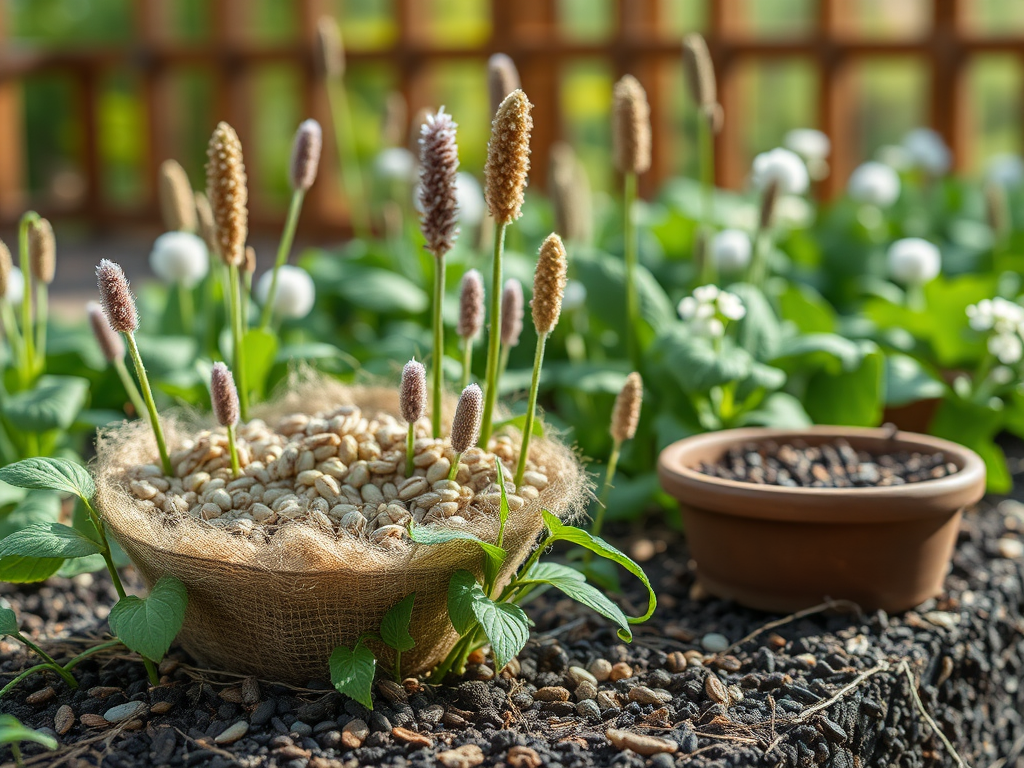
Choosing the right seeds for your climate involves understanding local growing conditions, including temperature, humidity, and soil type. It's crucial to select seeds that are adapted to your specific climate zone, as this ensures better germination and growth. Common mistakes include ignoring local recommendations and assuming that all seeds will thrive in any environment. By researching your area's climate and selecting seeds accordingly, you increase your chances of a successful harvest.
Understanding Your Climate Zone
To choose the right seeds for your climate, first, you need to understand your climate zone. The United States Department of Agriculture (USDA) has established a hardiness zone map that divides the country into different zones based on average annual minimum temperatures. Knowing your zone helps in selecting plants that can withstand the conditions in your area.
For instance, if you live in a zone with a shorter growing season, you would want to choose seeds that mature quickly. Conversely, in areas with longer growing seasons, you can experiment with a wider variety of seeds. Additionally, consider factors such as humidity and rainfall, as these can influence plant health and yield.
Understanding microclimates within your region can also be beneficial. A microclimate is a small area where the climate differs from the surrounding area due to factors like elevation, proximity to bodies of water, or urban heat. For example, a garden located near a south-facing wall may receive more sunlight than one in a shaded area, affecting which seeds will perform best.
Soil Type and Its Impact on Seed Selection
Soil type plays a crucial role in determining which seeds will thrive in your garden. Different plants have varying preferences for soil texture, drainage, and nutrient content. For example, root vegetables like carrots prefer sandy loam that allows for good drainage, while leafy greens thrive in rich, organic matter.
To assess your soil, start with a soil test that measures pH, nutrient levels, and organic matter content. Based on the results, you can amend your soil to create an optimal growing environment. This can include adding compost, adjusting pH levels, or enhancing drainage. Selecting seeds that are well-suited for your soil conditions can lead to healthier plants and better yields.
Moreover, consider the soil temperature when planting seeds. Some seeds require warmer soil to germinate, while others can be sown in cooler conditions. For example, peas can be sown in early spring when the soil is still cool, while tomatoes should be planted after the last frost when the soil has warmed up.
Choosing Seeds Based on Temperature and Water Needs
Temperature and water availability are two critical factors to consider when selecting seeds. Every plant has specific temperature ranges for optimal growth, and choosing seeds that match your local climate can increase your success rate. For instance, heat-tolerant varieties of peppers or tomatoes are ideal for warmer climates, while cool-weather crops like lettuce and broccoli are better suited for cooler areas.
Water requirements also vary significantly among different plants. Some seeds may thrive on minimal watering, while others need consistent moisture to grow. Understanding your water supply and the moisture retention of your soil can guide your seed choices. For example, drought-resistant varieties may be perfect for arid regions, whereas more moisture-loving plants like cucumbers may need regular irrigation.
Moreover, consider the growing season length in your area. If you have a shorter growing season, opt for fast-maturing varieties that can produce a crop before the end of the season. In contrast, if you have a longer growing season, you can experiment with plants that take longer to mature.
Common Mistakes to Avoid When Selecting Seeds
Even seasoned gardeners can make mistakes when choosing seeds. One common pitfall is failing to consider local climate conditions, which can lead to poor germination and growth. Always check local recommendations and consult with local gardening experts or extension services to understand what works best in your area.
Another mistake is not paying attention to seed packets, which provide essential information about the seeds, including planting depth, spacing, and ideal growing conditions. Neglecting these details can result in overcrowded plants or inadequate growth conditions.
Additionally, many gardeners underestimate the importance of crop rotation and planting compatible plants. Some plants may attract pests or diseases that can harm neighboring crops. Being mindful of companion planting can help maintain a healthy garden ecosystem.
In closing, avoid overbuying seeds. It’s easy to get carried away with new varieties, but only purchase what you can realistically grow and maintain, considering your available space and time.
Frequently Asked Questions
What is the best way to determine my climate zone?
The best way to determine your climate zone is to consult the USDA Hardiness Zone Map, which categorizes regions based on average low temperatures.
How can I improve my soil for better seed growth?
You can improve your soil by conducting a soil test, adding organic matter like compost, and ensuring proper drainage to create an optimal growing environment.
What types of seeds are best for drought-prone areas?
For drought-prone areas, choose drought-resistant seeds such as certain varieties of beans, squash, and native grasses that require less water.
Why is it important to read seed packets?
Reading seed packets is important because they provide critical information about planting depth, spacing, and growing conditions essential for successful germination and growth.
How can I avoid overcrowding my plants?
To avoid overcrowding, follow the recommended spacing guidelines on seed packets and consider the mature size of each plant when planning your garden layout.
Conclusion
Choosing the right seeds for your climate is essential for a successful garden. By understanding your climate zone, soil type, temperature, and water needs, you can make informed decisions that lead to healthier plants. Avoid common mistakes such as neglecting local recommendations and not reading seed packets. With proper planning and consideration of your local conditions, you can cultivate a thriving garden tailored to your environment.