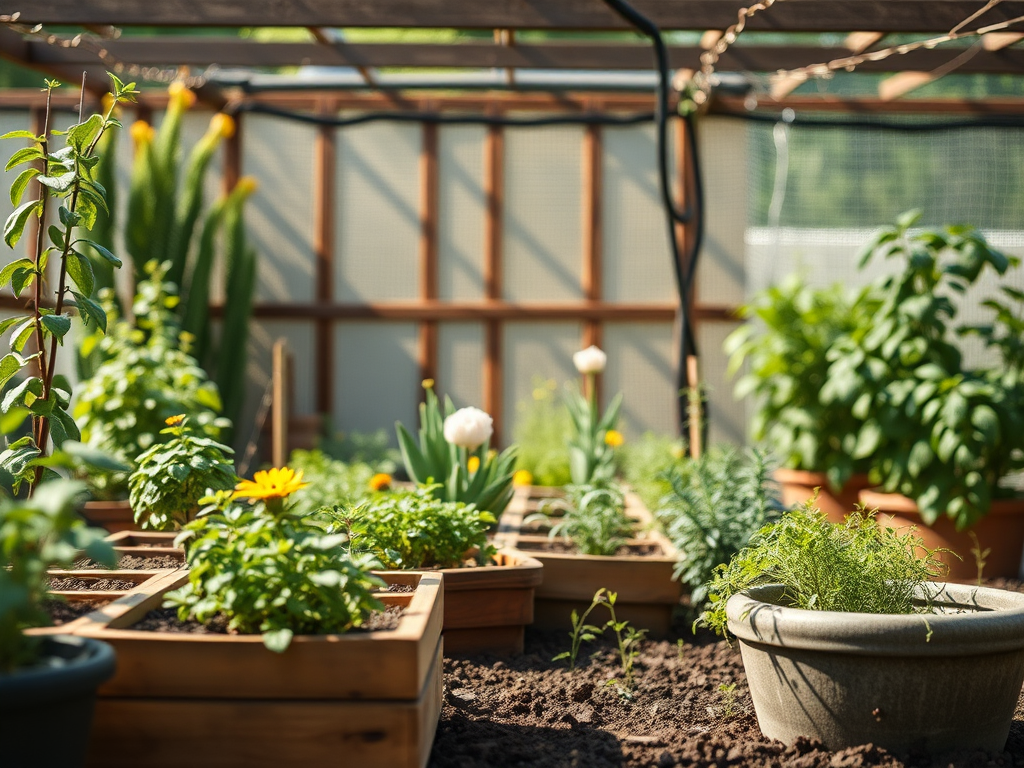
To create a sustainable garden plan for small spaces, focus on maximizing vertical space, selecting native plants, and implementing efficient watering techniques. Start by assessing your available space and sunlight, then choose plants that thrive in those conditions. Incorporate vertical gardening methods like trellises or wall planters to increase growing areas and reduce soil usage. Lastly, utilize drip irrigation or rainwater collection to conserve water resources while ensuring your plants receive adequate hydration.
Assessing Your Space and Needs
Before you start planning your sustainable garden, it’s crucial to assess your available space and understand your gardening needs. Measure the dimensions of your garden area, considering both length and width, and take note of any features like fences, walls, or pathways that could affect your layout. Identify the sunlight exposure throughout the day to determine which areas receive full sun, partial shade, or full shade. This will greatly influence the types of plants you can grow.
Additionally, consider your goals for the garden. Are you looking to grow vegetables, herbs, or ornamental plants? Knowing your objectives helps in selecting the right plants and planning the layout effectively. For instance, if your goal is to grow food, prioritize edible plants that can thrive in your specific conditions. Lastly, keep in mind any local regulations or restrictions regarding gardening in your area, such as height limits for fences or structures.
Choosing the Right Plants
Once you have a clear understanding of your space and goals, the next step is choosing the right plants for your sustainable garden. Opt for native plants that are well-adapted to your local climate and soil conditions. Native plants typically require less water and maintenance, making them ideal for sustainable gardening. Research local flora to find species that will thrive in your garden’s specific conditions.
It’s also beneficial to consider companion planting, which involves growing different plants together that can enhance each other’s growth. For example, planting basil next to tomatoes can improve their flavor and deter pests. Additionally, selecting plants with varying heights can create a visually appealing garden while maximizing space usage. Taller plants can provide shade for smaller ones, creating a microclimate that benefits your garden overall.
Vertical Gardening Techniques
Vertical gardening is an excellent solution for small spaces, allowing you to maximize your growing area without requiring a larger footprint. There are various techniques to implement vertical gardening, including using trellises, wall-mounted planters, and vertical garden systems. Trellises can support climbing plants like peas and cucumbers, while wall-mounted planters can hold herbs and small flowers.
Consider creating a vertical garden structure using pallets or repurposed materials. This not only saves space but also adds a unique aesthetic to your garden. When designing your vertical garden, ensure that the plants selected are suitable for vertical growth and can thrive with adequate sunlight and water. Additionally, ensure easy access for maintenance and harvesting.

Watering and Maintenance Strategies
Effective watering and maintenance are essential for the success of your sustainable garden, especially in small spaces where plants may compete for resources. Implementing a drip irrigation system can conserve water by delivering it directly to the roots, minimizing evaporation and runoff. Alternatively, consider using rain barrels to collect water from your roof for irrigation, promoting sustainability and reducing water costs.
Regular maintenance is also crucial. Monitor your plants for pests and diseases, and address any issues promptly to prevent them from spreading. Mulching can help retain soil moisture and suppress weeds, reducing the need for frequent watering and maintenance. Lastly, consider rotating crops each season to improve soil health and reduce pest buildup.
For those interested in deepening their knowledge of sustainable gardening practices, consider exploring resources from local agricultural extensions or gardening associations. These organizations often provide valuable information on plant selection, soil health, and sustainable practices tailored to your region.