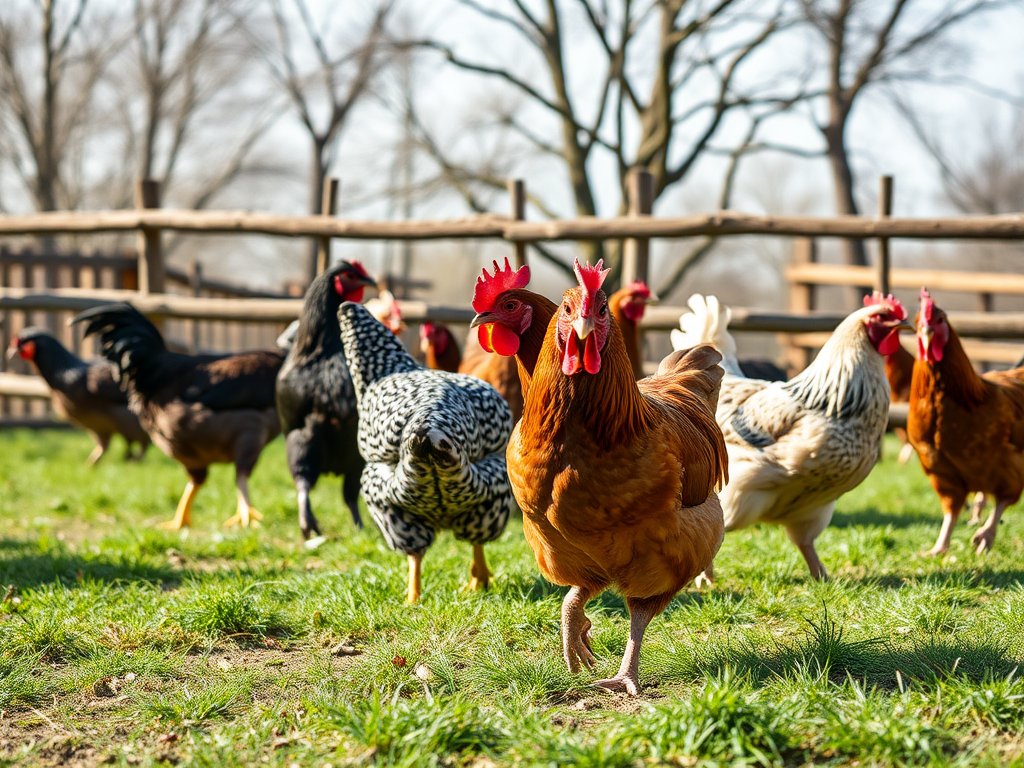
To select the right breeds for your homestead, assess your local climate, available resources, and specific needs such as meat, milk, or egg production. Research breed characteristics to find those that are well-suited to your environment; for instance, choose cold-hardy breeds if you live in a colder area. Additionally, consider the space requirements of different livestock; smaller animals like goats may be ideal for limited space, while larger breeds might thrive on more expansive land. Engaging with local agricultural experts can provide valuable insights and help you avoid common mistakes in breed selection, ultimately enhancing your homestead's productivity and sustainability.
Understanding Breed Characteristics
When choosing breeds for your homestead, it’s essential to understand the specific characteristics of each breed you are considering. Breeds vary significantly in terms of temperament, hardiness, and productivity. For example, some chicken breeds are known for being excellent layers, while others may be better suited for meat production. Additionally, certain breeds are more resistant to diseases and harsh weather conditions, which can impact their overall performance and longevity on your homestead.
Research breed profiles and consult local resources to gauge which breeds are best suited to your climate and farming practices. For instance, if you live in a colder region, look for livestock that has a thick coat or is known to thrive in lower temperatures. Conversely, in hotter climates, breeds that are heat-tolerant and have good water retention capabilities will perform better.
Evaluating Your Homestead Environment
The environment of your homestead plays a crucial role in the success of the breeds you select. Factors such as climate, space, and available resources must be taken into account. Assess your land for its size, terrain, and existing vegetation, as these elements will affect the types of animals or plants you can support.
For example, if your homestead has limited pasture, you might want to consider smaller livestock that require less space, such as goats or ducks. On the other hand, if you have ample land and resources, larger animals like cows or pigs may be more appropriate. Understanding your environment will help you choose breeds that will thrive and be productive in your specific conditions.
Purpose and Productivity
Defining the purpose of your homestead is vital when selecting breeds. Are you aiming for self-sufficiency in meat, dairy, or eggs? Or are you focused on a sustainable garden with pollinators? Identifying your primary goals will guide your breed selection process.
For instance, if your goal is to produce eggs, look for prolific layers, such as the Leghorn or Rhode Island Red. If you’re focused on meat production, consider broilers or dual-purpose breeds that can provide both meat and eggs. Each breed has unique productivity levels and characteristics that align with specific goals, so it’s essential to prioritize your needs and choose accordingly.

Common Mistakes to Avoid
One of the most common mistakes when selecting breeds for a homestead is not doing enough research on breed compatibility with local conditions. Many new homesteaders may choose breeds based solely on popularity or aesthetics without considering how well they will perform in their specific environment.
Another mistake is underestimating the resources required for certain breeds. For example, while some breeds are easy to care for, others may need more specialized care, feeding, or space. Understanding the requirements of each breed will help you avoid overextending your resources and ensure a more successful homesteading experience.
For more detailed information on selecting the right breeds for your homestead, consider exploring local agricultural extension services, breed association websites, and homesteading community forums.