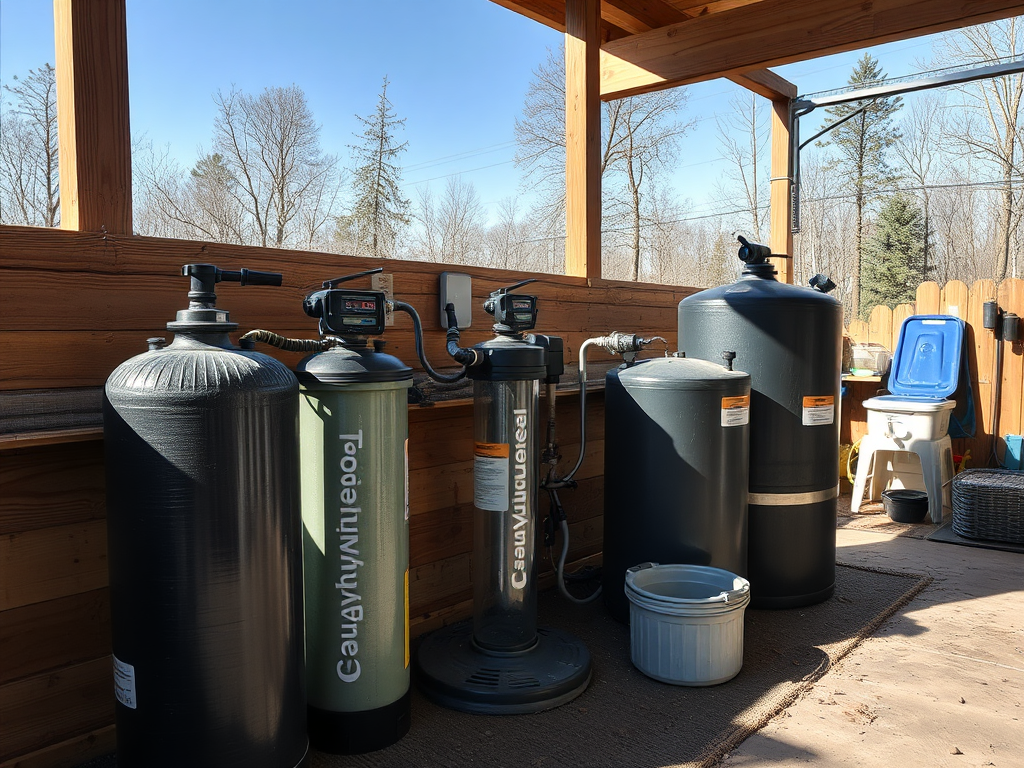
Key features to consider in off-grid water systems include water source reliability, filtration methods, storage capacity, and distribution efficiency. Selecting a dependable water source, such as a well or rainwater, ensures consistent supply. Effective filtration methods, such as UV or reverse osmosis, eliminate contaminants. Adequate storage is crucial for managing supply during dry periods, while efficient distribution systems minimize water waste.
Understanding Water Sources
Choosing the right water source is the foundation of any off-grid water system. Reliable sources include wells, springs, and rainwater harvesting systems. Each option has its advantages and challenges. For instance, wells provide a consistent water supply but require significant initial investment and ongoing maintenance. Rainwater harvesting is cost-effective and environmentally friendly but depends on rainfall patterns, which can be unpredictable.
Understanding the local climate and geology is essential when selecting a water source. For example, areas with high rainfall may benefit more from rainwater harvesting, while arid regions might necessitate drilling a well. Additionally, consider the legal implications and permits required for water extraction in your area. This groundwork ensures your off-grid water system has a dependable supply.
Filtration Methods for Off-Grid Systems
Effective filtration is crucial for ensuring the water quality in off-grid systems. Contaminants can vary significantly depending on the water source; thus, choosing the right filtration method is vital. Common filtration methods include sediment filters, activated carbon filters, UV sterilization, and reverse osmosis.
Sediment filters are typically the first line of defense, removing larger particles like sand and silt. Activated carbon filters can eliminate odors and chlorine, improving taste. UV sterilization effectively kills bacteria and viruses without chemicals, making it a popular choice for clean water. Reverse osmosis provides thorough purification but can be slower and waste more water compared to other methods.
When selecting a filtration system, consider factors such as maintenance, cost, and the specific contaminants present in your water source. Regular maintenance is essential to ensure that filtration systems function effectively and provide safe drinking water.
Storage Solutions
Storage capacity is a critical feature in off-grid water systems, especially in regions with fluctuating availability. Proper storage ensures that you have enough water during dry spells or emergencies. Common storage solutions include tanks, cisterns, and barrels, which can be made from various materials such as plastic, fiberglass, or metal.
When designing your storage system, consider the volume of water needed for your household and any potential future expansion. Additionally, the placement of storage tanks is important; they should be easily accessible for maintenance and ideally elevated to facilitate gravity-fed distribution systems.
It’s also essential to implement measures to prevent contamination, such as using sealed tanks and maintaining proper ventilation. Regular inspection and cleaning of storage tanks are necessary to ensure the water remains safe and clean.
Distribution Efficiency
Efficient water distribution systems minimize waste and ensure that water is delivered where it’s needed most. Common distribution methods include gravity-fed systems, pump systems, and drip irrigation for gardens. The choice of distribution method will depend on the topography of your land, the distance from the water source, and the volume of water needed.
Gravity-fed systems are often the simplest and most cost-effective, relying on elevation to move water. However, they may not be feasible in all terrains. Pump systems provide more flexibility in distribution but can increase energy costs, especially if powered by generators. Drip irrigation is an efficient way to use water in gardens, reducing evaporation and runoff.

Designing an effective distribution system requires careful planning to ensure that water reaches all necessary locations without excessive loss. Regular maintenance of pipes and fittings is also crucial to prevent leaks and inefficiencies.
Frequently Asked Questions
What is the best water source for off-grid systems?
The best water source often depends on local conditions; wells and rainwater harvesting are popular choices, each with unique benefits and challenges.
How often should I maintain my water filtration system?
Regular maintenance is essential; check filters monthly and replace them as recommended by the manufacturer to ensure clean water.
What size storage tank do I need?
Your storage tank size should depend on your household's water needs and the anticipated dry periods; calculating your daily usage can help determine the right size.
Can I use a gravity-fed system for water distribution?
Yes, gravity-fed systems are effective in suitable terrains where elevation can be used to move water without pumps.
What are common mistakes in off-grid water systems?
Common mistakes include underestimating water needs, neglecting maintenance, and not considering seasonal variations in water availability.
Conclusion
Building a robust off-grid water system requires careful consideration of various features, including water sources, filtration methods, storage solutions, and distribution efficiency. By prioritizing these aspects, you can create a sustainable water supply that meets your needs. Regular maintenance, planning for seasonal variations, and understanding your local conditions are essential for success. Take the time to assess your options and implement strategies that will ensure a reliable and safe water system.