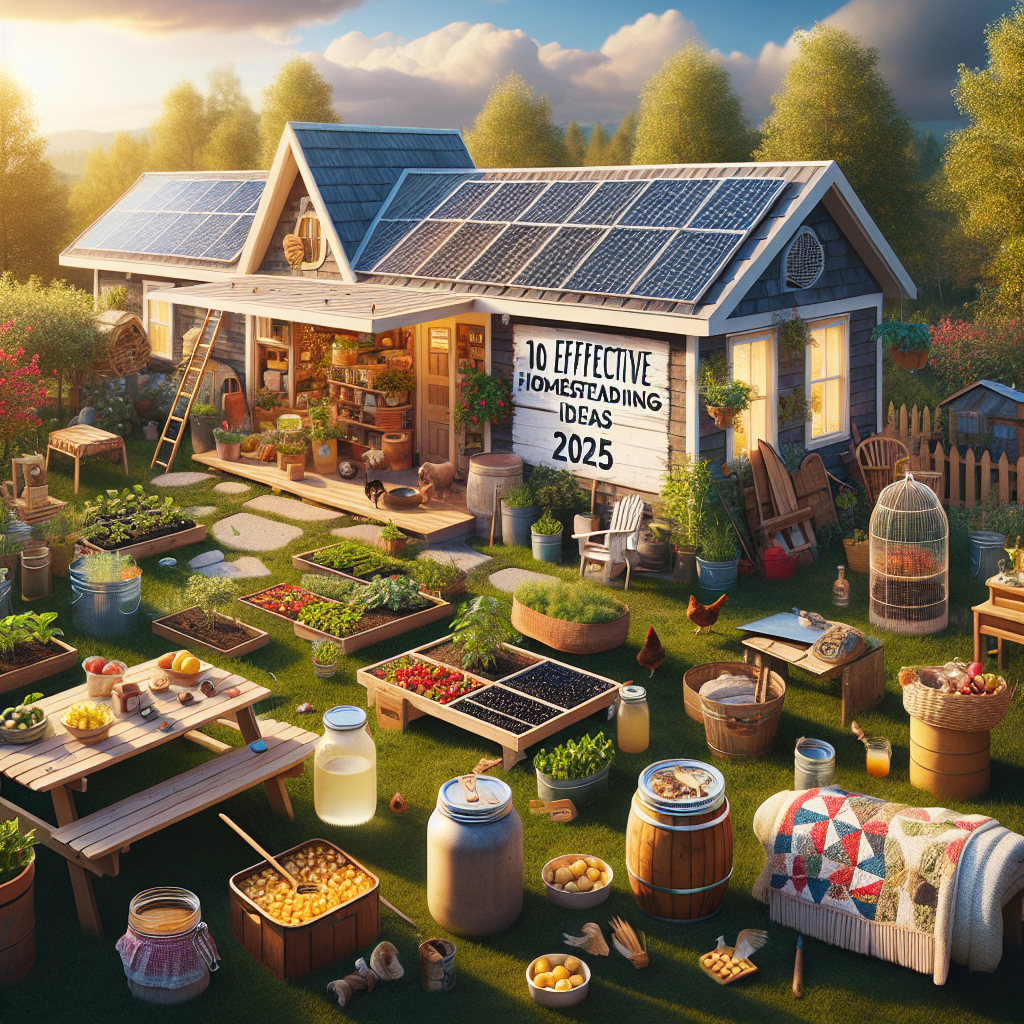
Table of Contents
- 1. Master Wild Food Identification
- 2. Build Your Own Sustainable Shelter
- 3. Develop Water Collection and Purification Skills
- 4. Cultivate Edible Gardens and Crops
- 5. Practice Basic Hunting and Fishing
- 6. Learn Preservation Techniques for Food Security
- 7. Use Natural Medicine and Herbal Remedies
- 8. Implement Renewable Energy Solutions
- 9. Develop Off-Grid Communication Methods
- 10. Build a Community for Support and Growth

1. Master Wild Food Identification
Understanding Native Edible Plants
Learning to identify wild edible plants is fundamental when living off the land. In 2025, with increased environmental awareness, many foragers turn to native flora for sustenance. Proper identification reduces the risk of consuming toxic plants and ensures you’re harvesting safe, nutritious foods. Start by familiarizing yourself with local plant guides or apps that assist with plant identification. Focus on easily recognizable plants like dandelions, wild berries, and edible greens.
Additionally, understanding the seasons when plants are ripe for harvest ensures maximum nutritional value and safety. For example, certain wild greens are best in early spring, while berries peak in summer. Remember, never consume a plant unless you are 100% confident of its identity, as mistaking a poisonous plant for an edible one can be fatal.
Consistent practice and field experience are your best tools. Join local foraging groups or workshops to learn from experts. In 2025, digital resources and DNA identification tools enhance our ability to safely identify wild foods, making living off the land more accessible and safer than ever.
Safety Tips for Wild Food Foraging
While wild foods are abundant, safety should always come first. Always forage in areas free from pollution, pesticides, and industrial waste. Avoid plants near highways or cultivated fields. Wear gloves and carry a good knife for careful harvesting.
Keep a wild food identification journal or app handy to verify plants. When trying a new food, start with a small taste and wait 24 hours to check for adverse reactions. This cautious approach helps you enjoy the benefits of living off the land while minimizing risks.
By developing these identification skills, you can create a sustainable food source that reduces reliance on grocery stores or commercial farming, essential for self-sufficient living in 2025.
2. Build Your Own Sustainable Shelter
Choosing Eco-Friendly Materials
Creating a shelter that is both sustainable and practical is crucial for living off the land. In 2025, the focus is on eco-friendly materials like reclaimed wood, bamboo, or locally sourced natural elements. These reduce environmental impact and blend seamlessly into the landscape. Consider techniques like cob construction, which uses clay, sand, and straw, or earthbag building, which offers durable, insulated options.
Before starting your shelter project, assess your environmentâclimate, available resources, and land stability. Building with natural, biodegradable materials ensures your shelter remains sustainable over time and minimizes ecological disruption.
Innovative building techniques such as straw bale insulation or green roofs are gaining popularity. These methods improve energy efficiency and offer additional eco benefits. In 2025, do-it-yourself guides and online communities make building sustainable shelters more accessible than ever.
Designing for Self-Sufficiency
Your shelter should facilitate a self-sufficient lifestyleâthink integrated composting toilets, rainwater harvesting systems, and off-grid power sources like solar panels. Position your shelter to maximize sunlight exposure and natural ventilation, reducing energy needs.
Designing with adaptability in mind ensures your shelter can evolve based on your needs. For instance, modular structures or expandable units can save costs and enhance usability. Living off the land requires thoughtful planning to maximize resource efficiency and comfort.
Practicing sustainable building aligns with the broader goal of living off the landâminimizing ecological footprint while creating a safe, comfortable home environment in 2025.
3. Develop Water Collection and Purification Skills
Sourcing Fresh Water in the Wilderness
Water is the most critical resource when living off the land. In 2025, mastering water sourcingâidentifying streams, rain catchment sites, and natural reservoirsâis essential. Always prioritize finding clean, moving water, which is less likely to be contaminated.
Learn to read the landscapeâlook for lush vegetation, animal activity, or natural springs, which are indicators of water sources. Establishing a reliable collection system, such as rainwater harvesting or dew collection, can ensure a consistent supply, especially in dry seasons.
Long-term sustainability involves protecting your water sources from contamination and regularly testing water quality using simple testing kits available today. This proactive approach guarantees safe drinking water during your off-grid living experience.
Effective Water Purification Methods
Once you locate water, effective purification is non-negotiable. Techniques such as boiling, chemical disinfection with iodine or chlorine tablets, or using portable water filters are standard in 2025. Boiling remains the most reliable method to kill pathogens, especially during emergency situations.
Adding a charcoal filter or ceramic filter can improve taste and remove sediments. Solar water disinfection (SODIS) is an innovative, eco-friendly method gaining popularityâsimply expose water-filled PET bottles in the sun for several hours to make water safe.
Investing in quality purification equipment ensures your water is safe for drinking and cooking, making water management a cornerstone of living off the land efficiently and safely.
4. Cultivate Edible Gardens and Crops
Starting Your Off-Grid Garden
Growing your own food is a pillar of living off the land. In 2025, permaculture principles like companion planting, crop rotation, and soil regeneration are vital for sustainable gardening. Use native seeds and adaptable crops suited to your climate for high yields and resilience.
Prepare your soil by composting organic waste and incorporating organic matter, which boosts fertility naturally. Raised beds, mulch, and rainwater irrigation help maximize productivity while conserving resources.
Start with easy-to-grow staples such as potatoes, beans, squashes, and leafy greens. Over time, diversify to include herbs, fruits, and medicinal plants for holistic self-sufficiency.
Extending Your Harvest Year-Round
Implement season extension methods like greenhouses, cold frames, or hoop houses to keep growing crops even in colder months. Use renewable energy to power grow lights or heating systems when necessary.
Incorporating permaculture practices not only increases yields but also restores land health and biodiversity. Crop diversity reduces pest problems and leverages natural ecological processes, making your garden more resilient.
Having a well-developed edible garden reduces dependence on external food sources, a key aspect of living off the land with sustainability in mind in 2025.
5. Practice Basic Hunting and Fishing
Getting Started with Hunting Skills
Hunting for small game and fishing are sustainable ways to supplement your diet. In 2025, mastering ethical hunting practices ensures wildlife populations remain healthy. Learn local hunting laws and regulations to stay compliant and avoid legal issues.
Choosing appropriate toolsâbow, sling, or firearmsâdepends on your skill level and local regulations. Practice safety and marksmanship regularly, as proficiency will enhance your success and reduce waste.
Record your hunts, observe animal behavior, and plan trips during peak activity seasons for better results. Sustainable hunting provides essential protein and connects you deeply with the land.
Fishing Techniques for Self-Sufficiency
Fishing is a versatile and renewable food source. Learn to fish using simple gear like nets, traps, or handlines. Knowledge of local fish species, breeding cycles, and habitats increases catch efficiency.
Clean and preserve your catch properlyâsmoking, drying, or canningâto ensure year-round food security. Use natural bait and avoid overfishing to protect aquatic ecosystems.
In 2025, innovative fish farming and aquaponic systems offer additional sustainable methods to boost food security while living off the land.
6. Learn Preservation Techniques for Food Security
Preservation Methods for Long-Term Storage
Food preservation extends your harvestâs shelf life and reduces waste, vital in living off the land. Techniques such as drying, canning, fermenting, and freezing are staples in 2025. Choose methods suited to your climate and available resources.
Fermentation not only preserves but also enhances nutritional value and gut health. Use natural starter cultures or wild fermenting techniques to create sauerkraut, kimchi, and fermented beverages.
Proper preservation ensures a stable food supply during seasonal shortages or adverse weather, making it a cornerstone of self-reliant living.

Organizing and Storing Preserved Food
Keep your preserved foods in cool, dark, and dry storage spaces to maximize longevity. Label everything with dates and contents to streamline meal planning. Building a root cellar or insulated storage shed can help regulate temperature naturally.
Developing a food inventory system enables you to track supplies and plan meals accordingly. This level of organization saves time and reduces waste, crucial for long-term off-grid living.
By mastering preservation techniques, you transform seasonal abundance into year-round survival, reinforcing the importance of living off the land sustainably in 2025.
7. Use Natural Medicine and Herbal Remedies
Identifying Medicinal Plants
Living off the land includes leveraging nature’s pharmacy. In 2025, understanding local medicinal plants helps treat minor ailments naturally. Study plant properties and medicinal uses through guided manuals, online courses, or local herbalists.
Common native herbs, such as thyme, mint, chamomile, and echinacea, can be cultivated or harvested wild. Accurate identification prevents accidental poisoning and ensures effective remedies.
Keeping a herbal medicine kit and learning preparation methodsâteas, tinctures, salvesâempowers you to maintain health without reliance on pharmaceuticals.
Creating Herbal Remedies
Use sustainable harvesting practicesâcollect sparingly and at the right seasons. Dry herbs carefully for long-term storage, preserving their medicinal properties. Make infusions, decoctions, and salves at home to address common issues like colds, cuts, and digestive problems.
Experimenting with herbal blends tailored to your health needs enhances self-reliance. Sharing herbal knowledge within your community fosters a resilient, health-conscious ecosystem.
In 2025, integrating herbal medicine into your living off the land lifestyle complements your survival skills and promotes holistic well-being.
8. Implement Renewable Energy Solutions
Solar, Wind, and Micro-Hydro Power
Reducing reliance on external power sources is vital for living off the land. Solar panels, wind turbines, and small-scale hydro systems are all viable options in 2025. Solar remains the most accessible and scalable renewable energy sourceâinstall a photovoltaic system to meet electricity needs for lighting, communications, and small appliances.
Assess your landâs natural resourcesâif you have a flowing stream, micro-hydro systems can generate consistent power. Wind turbines are ideal in windy locations and can supplement solar power during cloudy days or winter months.
Combining multiple renewable sources creates a resilient power system, ensuring you stay energized regardless of weather or seasonal changes.
Battery Storage and Energy Efficiency
Good battery management and energy-efficient appliances help stretch your renewable energy. Use high-capacity lithium batteries and optimize your energy consumption with LED lighting, solar water heaters, and efficient cooking methods.
Implementing smart energy management systems can monitor usage and automate power distribution. This practice extends your systemâs life and ensures a steady energy supply for your off-grid lifestyle in 2025.
Adopting renewable energy significantly reduces your ecological footprint and supports sustainable living practicesâcore to living off the land.
9. Develop Off-Grid Communication Methods
Satellite and Radio Communications
Staying connected without relying on traditional networks is essential. In 2025, satellite phones and ham radios offer reliable communication channels for emergencies and community coordination. These devices operate independently of cellular networks and are crucial for safety and social connection.
Learn basic radio operation, licensing requirements, and emergency protocols. Maintaining a reliable communication setup creates a safety net and helps you stay informed about weather, news, or community events.
In emergencies, these systems can be lifesaving, making communication a priority in your living off the land strategy.
Building a Community Mesh Network
Connecting with nearby homesteaders through low-power mesh networks enhances resilience and resource sharing. In 2025, technology like LoRaWAN enables long-range, low-energy communication among multiple locations.
Collaborate with neighbors to establish a local communication grid, share resources, and support each other. Community networks create a stronger, more sustainable off-grid ecosystem.
Building reliable communication fosters cooperation and growth, vital components of thriving off the land in 2025.
10. Build a Community for Support and Growth
Connecting with Like-Minded People
Living off the land is more sustainable and fulfilling when connected with a community. Shared skills, resources, and knowledge create resilience against challenges. In 2025, online forums, local meetups, and co-op groups facilitate these connections.
Share your experiences, learn from others, and collaborate on projects like collective gardening, resource pooling, or barter systems. A strong community reduces isolation and accelerates learning curves.
Community also enhances safety, as collective vigilance and mutual support provide reassurance during emergencies or resource shortages.
Creating Local Support Systems
Establish local support networksâbarter exchanges, shared tools, or communal workshopsâto strengthen off-grid living sustainability. These systems foster trust, economy, and self-reliance.
Participate in local events or create your own to promote skill-sharing and community bonding. Building a network of reliable allies transforms living off the land from a solitary effort into a resilient way of life.
In 2025, the importance of community cannot be overstated; it is integral to thriving sustainably and enjoying the freedom that comes with living off the land.
Frequently Asked Questions
Q1: What does living off the land really entail?
Living off the land involves self-sufficiently sourcing your food, water, shelter, and energy directly from natural resources, minimizing reliance on modern infrastructure.
Q2: How can I start living off the land in 2025?
Begin by learning key skills like wild food identification, water purification, building sustainable shelter, and renewable energy use. Join local groups or online communities for support and guidance.
Q3: Why is mastering water collection and purification important?
Clean water is essential for health and survival. Developing reliable collection and purification methods ensures you have safe drinking water regardless of your environment.
Q4: How does community building enhance living off the land?
Communities provide mutual support, resource sharing, and safety nets, making off-grid living more resilient, efficient, and enjoyable in 2025.
Q5: Is living off the land sustainable long-term?
Yes, with proper planning, skills, and community support, living off the land can be sustainable and environmentally friendly, promoting a low-impact lifestyle in 2025.
Conclusion
Living off the land is not just a trend but a meaningful lifestyle choice that promotes sustainability, self-reliance, and resilienceâespecially in 2025, when environmental and economic challenges are more evident than ever. By mastering the ten essential tips outlined in this guide, you can foster an independent, sustainable living environment tailored to your needs. Remember, the journey begins with a single step, and with commitment and knowledge, living off the land can become both a rewarding and achievable reality in 2025.