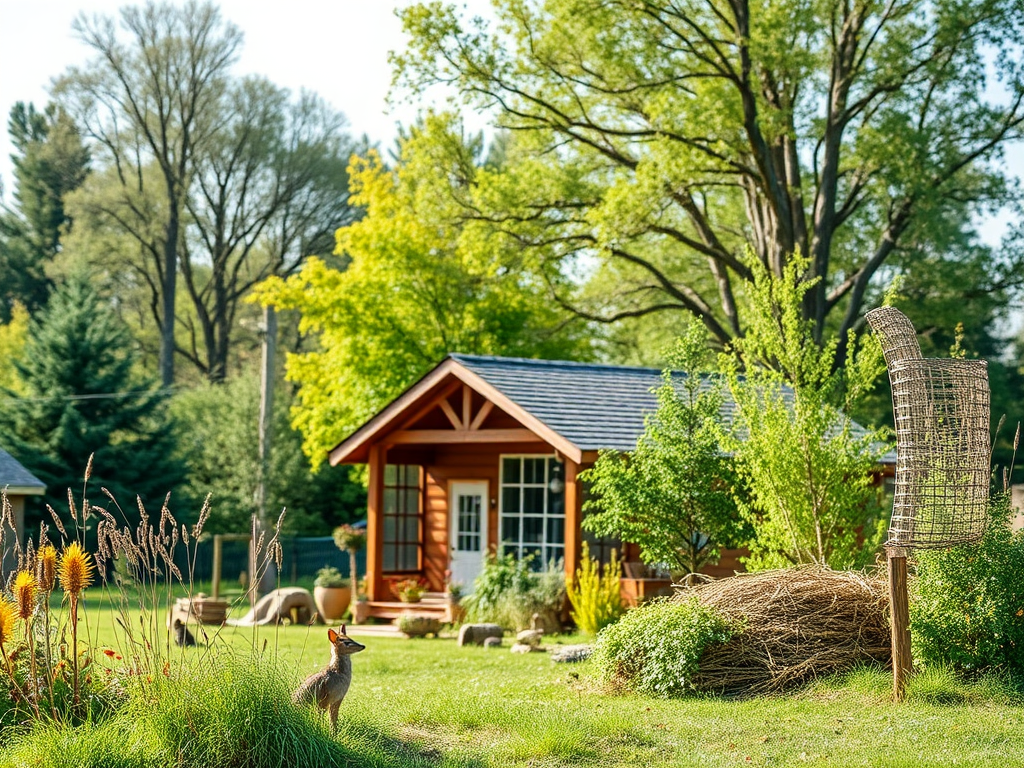
Creating a wildlife-friendly homestead involves incorporating native plants, providing food and water sources, and establishing safe habitats. Begin by selecting native vegetation that attracts local wildlife, such as pollinators and birds. Implement water features like ponds or birdbaths to provide hydration, and build brush piles or nesting boxes to offer shelter. These elements not only support biodiversity but also enhance the beauty and ecological health of your homestead.
The Importance of Biodiversity on Your Homestead
Fostering biodiversity on a homestead is crucial for creating a balanced ecosystem. Biodiversity promotes resilience against pests and diseases, enhances soil health, and supports a variety of species that contribute to pollination and natural pest control. By incorporating wildlife-friendly practices, you not only protect local species but also improve the overall health of your homestead.
One common mistake is focusing solely on crop production while neglecting the surrounding ecosystem. This can lead to imbalances that make your plants more susceptible to pests and diseases. It’s essential to recognize that a thriving ecosystem can significantly benefit your farming efforts, creating a symbiotic relationship between plants and wildlife.
Selecting Native Plants for Wildlife Habitats
Choosing the right plants is fundamental when creating a wildlife-friendly homestead. Native plants are adapted to local conditions and provide the best food and habitat for local wildlife. They attract beneficial insects and pollinators, which are essential for a healthy garden.
Start by researching which plants are native to your area. Resources like local extension services or native plant societies can provide valuable information. For instance, planting wildflowers can attract bees and butterflies, while berry-producing shrubs can provide food for birds and small mammals. It’s important to avoid invasive species that can outcompete native flora, leading to a decline in local biodiversity.
Additionally, consider the layout of your garden. Grouping plants by their ecological needs (sun, shade, moisture) helps create microhabitats that benefit various species. A common mistake is planting non-native species, which may not support local wildlife and can disrupt the ecosystem.
Creating Water Sources for Wildlife
Water is a vital resource for wildlife, and providing accessible water sources can significantly enhance your homestead’s appeal to various species. Consider installing a small pond, birdbath, or even a simple shallow dish filled with water. These features not only attract wildlife but also serve as essential hydration stations.
When creating a water source, ensure it is safe for animals. For ponds, include shallow areas for small creatures to access and plant native aquatic plants to provide cover and food. Birdbaths should be cleaned regularly to prevent algae growth and disease. A common oversight is placing water sources in direct sunlight without shade; adding rocks or plants can create cooler areas that are more inviting.
Establishing Safe Habitats
Safe habitats are crucial for wildlife to thrive. This includes creating areas for nesting, shelter, and foraging. Brush piles, dead logs, and native hedges can provide excellent cover for small mammals and birds. If you have space, consider building nesting boxes for species like bluebirds or owls.
It’s also important to minimize disturbances. Avoid using harmful pesticides that can harm non-target species. Instead, embrace integrated pest management techniques that promote natural predators. A common misconception is that a tidy yard is best; however, leaving some areas wild can foster a diverse array of wildlife and improve your homestead’s ecological balance.
Frequently Asked Questions
What are the best plants to attract wildlife?
Native wildflowers, berry-producing shrubs, and trees provide food and habitat for local wildlife.
How can I create a water source for wildlife?
Install a birdbath or pond, ensuring it has shallow areas and is cleaned regularly for safety.
What mistakes should I avoid when creating a wildlife habitat?
Avoid using invasive species and harmful pesticides that can disrupt local ecosystems.
How can I provide shelter for wildlife?
Build brush piles, install nesting boxes, and maintain native hedges to offer cover and nesting sites.
Why is biodiversity important on my homestead?
Biodiversity promotes resilience, enhances soil health, and supports beneficial species for pollination and pest control.
Conclusion
Creating a wildlife-friendly homestead not only enhances the beauty of your property but also supports local ecosystems. By selecting native plants, providing water sources, and establishing safe habitats, you can attract a diverse array of wildlife. Prioritize biodiversity and ecological balance in your practices to foster a thriving environment. Start implementing these strategies today to enjoy the benefits of a harmonious relationship with nature.