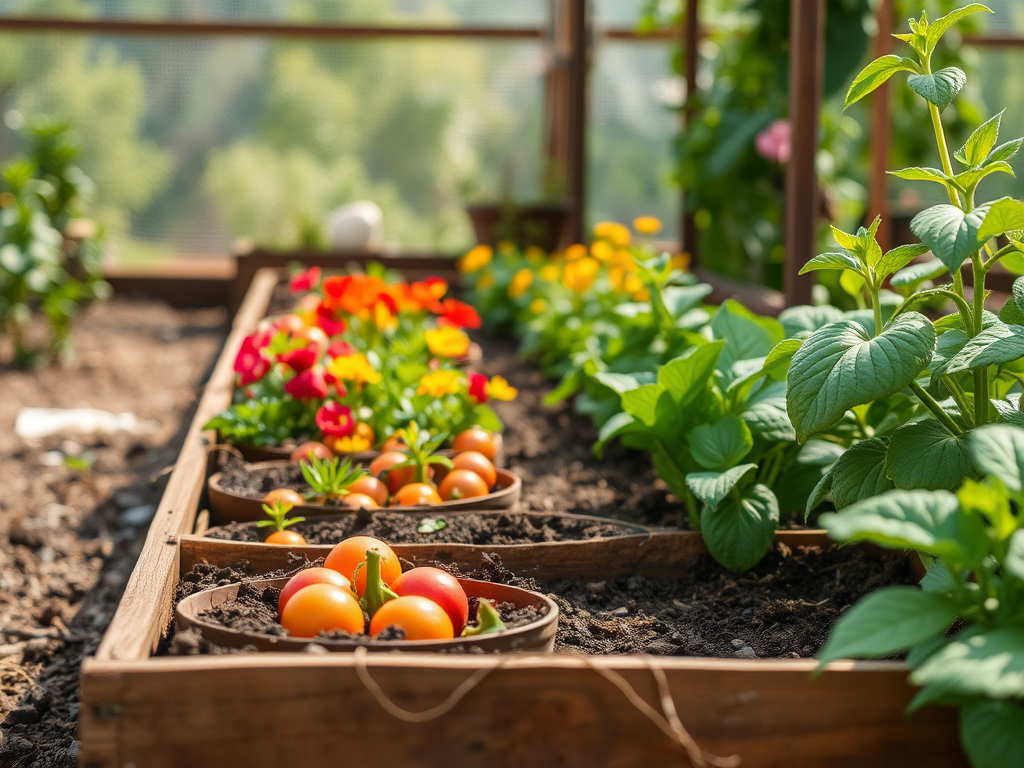
To effectively plan for seasonal changes in your garden, assess your local climate, select appropriate crops for each season, and implement strategies like crop rotation and cover cropping. These methods help optimize soil health, enhance biodiversity, and ensure a continuous harvest throughout the year. Additionally, monitoring weather patterns can aid in timely planting and harvesting, minimizing losses from unexpected frosts or droughts.
Understanding Seasonal Changes
Seasonal changes significantly impact garden planning and crop productivity. Recognizing the distinct characteristics of each season—spring, summer, fall, and winter—enables gardeners to make informed decisions regarding planting schedules and crop selection. For instance, spring brings warmer temperatures, making it ideal for sowing fast-growing vegetables like radishes and lettuce, while summer is perfect for heat-loving plants such as tomatoes and peppers.
Understanding the local climate is crucial. Different regions experience varying frost dates, rainfall patterns, and temperature fluctuations, which can influence what can be successfully grown. Gardeners should familiarize themselves with their USDA Hardiness Zone to identify suitable plants for their area. By aligning planting schedules with seasonal changes, gardeners can enhance yields and reduce risks associated with unexpected weather events.
Crop Selection for Each Season
Choosing the right crops for each season is vital for a successful garden. During spring, cool-season crops such as peas, spinach, and carrots thrive. These crops can be planted early, as they tolerate cooler temperatures. As the season progresses into summer, switch to warm-season crops that require more sunlight and heat, such as corn, squash, and beans.
Fall is the time to reintroduce cool-season crops as temperatures begin to drop. This is an excellent opportunity to plant varieties that mature quickly, such as kale and turnips, which can be harvested before the first frost. In winter, while growth may slow, some gardeners utilize cold frames or greenhouses to extend the growing season for hardy vegetables.
It’s essential to consider companion planting as well, which involves growing compatible plants together to maximize space and improve growth. For example, planting basil alongside tomatoes can enhance flavor and deter pests.
Implementing Crop Rotation
Crop rotation is a crucial practice for maintaining soil health and preventing pest and disease buildup. By alternating the types of crops planted in specific areas of the garden each season, gardeners can enhance soil fertility and break cycles of pests and diseases that favor particular plants.
For instance, after growing nitrogen-fixing legumes like beans or peas, follow up with heavy feeders such as tomatoes or corn. This rotation allows the soil to replenish essential nutrients that the previous crop may have depleted. Additionally, rotating crops can prevent soil erosion and improve overall garden productivity.
One common mistake gardeners make is failing to rotate crops or planting the same family of plants in the same spot year after year. This can lead to nutrient deficiencies and increased vulnerability to diseases. Planning a crop rotation schedule can help avoid these pitfalls and ensure a thriving garden.
Utilizing Cover Crops
Cover crops are an effective way to enhance soil health during the off-season. These crops, such as clover or rye, are planted to cover the soil when main crops are not growing. They serve multiple purposes, including preventing soil erosion, suppressing weeds, and improving soil structure.
When cover crops decompose, they add organic matter back into the soil, enhancing its fertility and moisture retention. This practice can also promote beneficial microorganisms, which contribute to a healthier soil ecosystem. It’s important to select the right types of cover crops based on the growing season and local climate to maximize their benefits.
However, a common misconception is that cover crops are only necessary for large-scale farms. Even small home gardens can benefit significantly from this practice, as it helps maintain soil health and prepares the garden for the next planting season.
Monitoring Weather Patterns
Keeping an eye on local weather patterns is critical for successful garden planning. Seasonal changes can be unpredictable, and understanding trends in temperature and precipitation can help gardeners make timely decisions regarding planting and harvesting.

Utilizing tools such as weather apps or local agricultural extensions can provide valuable information about upcoming weather events. For instance, knowing the expected frost dates can help gardeners plan when to sow seeds or when to cover plants to protect them from unexpected cold snaps.
Moreover, understanding the typical rainfall patterns can inform irrigation practices. During particularly dry seasons, gardeners may need to implement watering schedules to ensure crops receive adequate moisture. Conversely, in wetter seasons, proper drainage solutions should be in place to prevent root rot and other water-related issues.
Frequently Asked Questions
What are the best crops for each season?
Spring is ideal for cool-season crops like peas and spinach, while summer is suited for warm-season crops like tomatoes and corn. Fall can see a return of cool-season crops, and winter offerings may include hardy vegetables grown in cold frames.
How does crop rotation benefit my garden?
Crop rotation helps maintain soil fertility, reduces pest and disease buildup, and prevents nutrient depletion. By alternating crop families, you can enhance soil health and increase yields.
What are cover crops, and why should I use them?
Cover crops are plants grown to protect and enrich the soil during the off-season. They prevent erosion, suppress weeds, and improve soil structure, ultimately enhancing fertility when decomposed.
How can I monitor weather patterns for my garden?
Utilize weather apps, local forecasts, and agricultural extensions to track temperature trends and precipitation patterns. This information helps you make informed planting and irrigation decisions.
What common mistakes should I avoid when planning my garden?
Avoid planting the same crops in the same location year after year, neglecting soil health, and failing to monitor local weather patterns. These mistakes can lead to reduced yields and increased pest issues.
Conclusion
Successfully planning for seasonal changes in your garden involves understanding climate impacts, selecting appropriate crops, implementing crop rotation, utilizing cover crops, and monitoring weather patterns. By prioritizing these strategies, gardeners can enhance productivity and ensure a continuous harvest throughout the year. Start by assessing your local conditions, and make informed decisions to cultivate a thriving garden that adapts to the rhythms of nature.