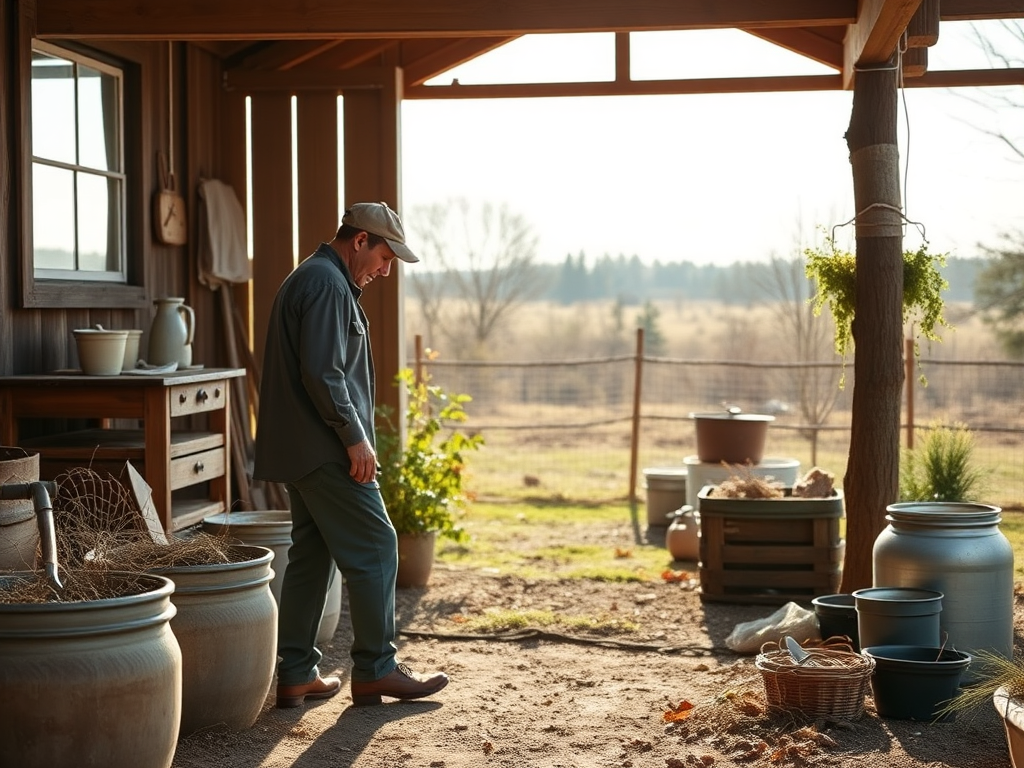
Creating a step-by-step homesteading plan involves defining your goals, assessing your land and resources, and developing a timeline for implementation. Start by identifying what you want to achieve, such as growing food or raising livestock, and evaluate the space and resources available to you. Prioritize tasks based on the seasons and your capabilities, ensuring that each step builds toward your overall vision. A well-structured plan facilitates successful homesteading, minimizes mistakes, and maximizes yield.
Defining Your Homesteading Goals
Establishing clear goals is the cornerstone of any successful homesteading plan. Your goals should reflect what you wish to accomplish, whether it’s growing your own food, raising animals, or becoming more self-sufficient. Take time to write down these objectives, as they will guide the rest of your planning process.
Consider the following aspects when defining your goals:
- Food Production: Are you aiming to grow vegetables, fruits, or herbs? Define specific crops you want to cultivate.
- Animal Husbandry: If you plan to raise livestock, specify which animals you want and for what purpose (e.g., eggs, milk, meat).
- Sustainability Practices: Consider what sustainable practices you want to implement, such as composting, permaculture, or organic gardening.
Once you have a clear set of goals, you can prioritize them based on your immediate needs and long-term vision.
Assessing Your Land and Resources
Understanding your land and resources is crucial for creating a practical homesteading plan. Conduct a thorough assessment of your property to identify its strengths and limitations. This includes evaluating soil quality, water availability, and sunlight exposure.
Key factors to consider include:
- Soil Quality: Conduct soil tests to determine pH, nutrient levels, and contaminants. Healthy soil is essential for successful crop growth.
- Water Availability: Assess how much water is accessible for irrigation and livestock. Consider rainwater harvesting systems if necessary.
- Sunlight Exposure: Identify areas that receive adequate sunlight for gardening, as most vegetables require at least six hours of direct sunlight per day.
By understanding these elements, you can make informed decisions about what to grow and where to place structures and gardens.
Developing a Timeline for Implementation
A timeline is essential for organizing your homesteading activities efficiently. Start by planning out your tasks based on the seasons and your availability. This will help you allocate your time and resources effectively.
Consider these steps when developing your timeline:
- Seasonal Planning: Identify the best planting and harvesting times for your chosen crops. Remember that different crops have different growing seasons.
- Task Prioritization: Break down larger goals into manageable tasks. For instance, if you plan to start a vegetable garden, tasks might include soil preparation, planting, and maintenance.
- Resource Allocation: Determine what tools and materials you need for each task and plan your budget accordingly.
A well-structured timeline will ensure that you stay on track and make steady progress toward your homesteading goals.
Executing Your Homesteading Plan
Once your goals are defined, resources assessed, and timeline established, it’s time to put your plan into action. Start with the highest priority tasks and work your way down the list.

Here are some practical execution tips:
- Start Small: Begin with a few crops or animals to avoid overwhelming yourself. As you gain experience, you can expand your operations.
- Monitor Progress: Keep track of what works and what doesn’t. Adjust your methods based on your observations.
- Seek Community Support: Engage with other homesteaders or local farming communities for advice, resources, and encouragement.
Remember that homesteading is a journey. Embrace the learning process and be flexible in adjusting your plans as needed.
Frequently Asked Questions
What are the first steps in creating a homesteading plan?
The first steps include defining your goals, assessing your land and resources, and developing a detailed timeline for implementation.
How can I assess the soil quality on my homestead?
You can assess soil quality by conducting a soil test, which evaluates pH, nutrient levels, and contamination. Local agricultural extensions often provide testing services.
What crops are best for beginners in homesteading?
Beginner-friendly crops include radishes, lettuce, and tomatoes, as they are easy to grow and have shorter growing seasons.
How do I create a sustainable water supply for my homestead?
Consider implementing rainwater harvesting systems, installing a well, or utilizing a nearby water source to create a sustainable water supply.
What common mistakes should I avoid in homesteading?
Common mistakes include overextending your goals, neglecting soil health, and failing to plan for seasonal changes. Start small and expand as you gain experience.