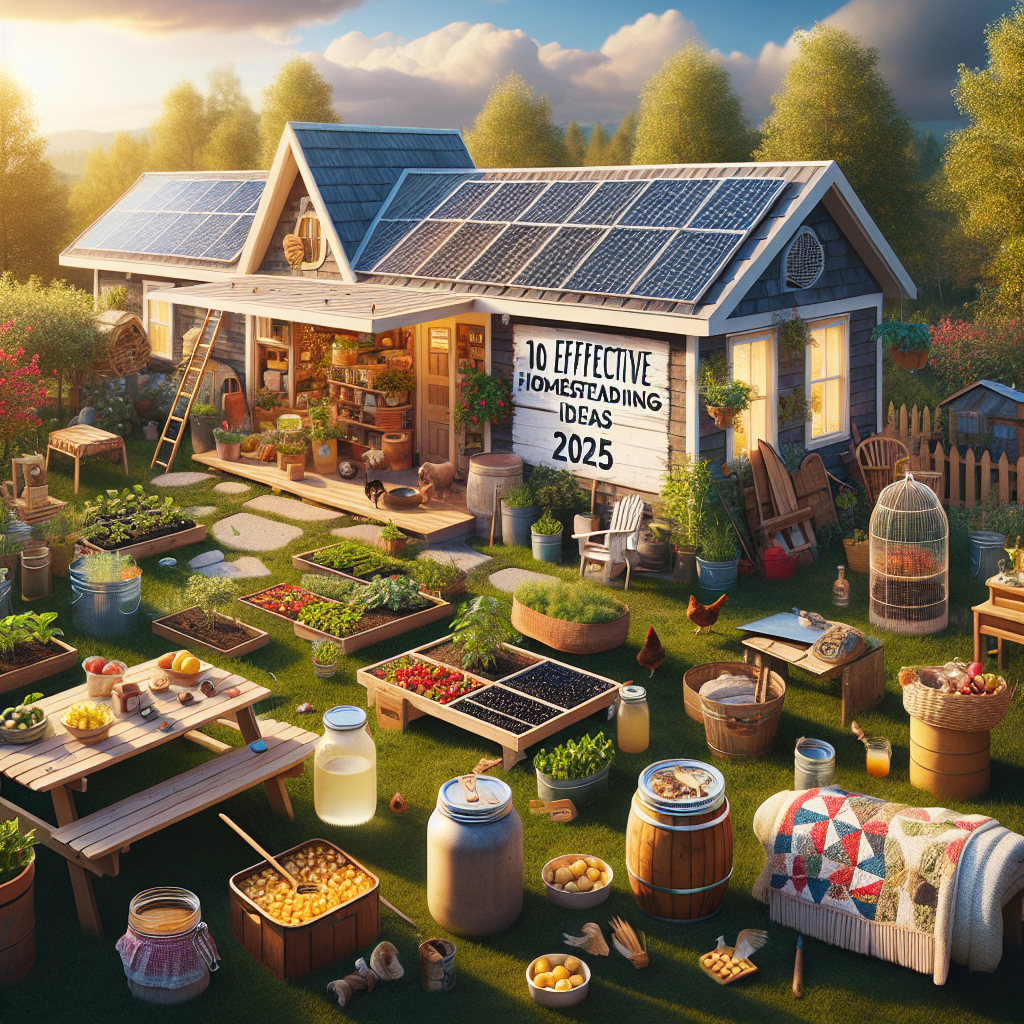
Table of Contents
- 1. Growing Your Own Nutritious Foods
- 2. Raising Healthy Livestock for Fresh Dairy and Meat
- 3. Installing Solar Power for Sustainable Living
- 4. Using Herbal and Natural Remedies
- 5. Implementing Water Conservation and Purification
- 6. Composting and Soil Health for Better Nutrition
- 7. Preserving Food Through Canning and Dehydration
- 8. Embracing Outdoor Fitness and Activities
- 9. Building a Homestead Community for Support
- 10. Incorporating Mindfulness and Mental Health Practices

Homesteading for health has become an increasingly popular lifestyle choice as more individuals seek to reconnect with nature, improve their well-being, and gain control over their food sources. In 2025, effective homesteading strategies focus not only on sustainability but also on boosting immunity, reducing chemicals, and fostering a resilient lifestyle. Whether you’re a seasoned homesteader or just starting out, adopting these health-focused practices can transform your life and boost your overall wellness.
1. Growing Your Own Nutritious Foods
Benefits of Organic Gardening
Growing your own fruits and vegetables organically ensures you consume nutrient-rich foods free from harmful pesticides and chemicals. This is essential for maintaining good health and reducing the risk of chronic illnesses. In 2025, data indicates that households engaging in organic gardening report higher energy levels and fewer allergy symptoms.
Start by selecting easy-to-grow, nutrient-dense crops such as kale, tomatoes, and berries. Use composting methods (see section 6) to enrich your soil naturally, promoting healthier plants with higher antioxidant levels.
Investing in raised beds and drip irrigation can increase yields and reduce water waste, making your homestead more sustainable and productive. Remember, fresh, homegrown foods are key components of a healthy lifestyle and can significantly contribute to your immune system support.
Strategic Planting for Year-Round Nutrition
Plan your garden with succession planting to ensure a continuous supply of fresh produce. Incorporate container gardens or greenhouses to extend growing seasons, especially for greens and herbs essential in herbal remedies and teas.
Utilize native plants adaptable to your climate to reduce maintenance and pest issues, which minimizes chemical use. Engaging kids or family members in gardening fosters a healthy, educational environment and encourages lifelong healthy eating habits.
To maximize space, consider vertical gardening and companion planting, which enhances plant health and reduces disease spread, ensuring a steady supply of nutritious foods throughout 2025.
2. Raising Healthy Livestock for Fresh Dairy and Meat
Choosing the Right Animals
Homesteading for health includes raising animals like chickens, goats, and sheep that provide clean, unprocessed dairy and meat. Selecting breeds that are hardy and resistant to local pests ensures fewer health issues and less reliance on antibiotics.
For instance, Nubian goats are excellent for milk production, and heritage chicken breeds often have better resilience. Raising animals ethically impacts their nutritional value and your family’s health.
Proper breeding, handling, and diet management are crucial. Avoid overcrowding and provide ample spaceâthis reduces stress and disease susceptibility, promoting healthier livestock naturally.
Implementing Sustainable Animal Care
Practice rotational grazing and organic feeding methods to eliminate chemical additives and support soil health. Feeding your livestock with locally grown grains and pasture grass enhances their nutrition and your homestead’s sustainability.
Regular health checks and natural remedies, like herbal infusions, can prevent common ailments without pharmaceutical interventions. This approach supports *homesteading for health* by creating a closed-loop, chemical-free system.
3. Installing Solar Power for Sustainable Living
Benefits of Renewable Energy
By 2025, solar power has become more affordable and accessible, enabling homesteaders to reduce dependence on grid electricity. This sustainable energy source not only lowers utility bills but also curtails exposure to electromagnetic fields and chemical pollutants associated with traditional power sources.
Solar panels can power essential homestead features like water pumps, lights, and even small appliances, creating a healthier environment by reducing pollution and noise. Financial incentives and tax credits further support this transition!
Implementing solar energy contributes significantly to overall homesteading for health by minimizing environmental toxins and fostering a clean, self-sufficient lifestyle.
Practical Tips for Solar Adoption
Start small with portable solar kits or invest in a comprehensive system for your entire homestead. Optimize placement to maximize sun exposure, and consider battery storage for energy resilience during cloudy days.
Community solar programs can make solar investments more affordable and accessible for new homesteaders in 2025. Proper maintenance ensures longevity and efficiency, helping to create a healthier living environment.
4. Using Herbal and Natural Remedies
Growing and Harvesting Medicinal Herbs
Herbs like chamomile, lavender, and echinacea are vital in natural healing and boosting immunityâan essential aspect of homesteading for health. Growing your own medicinal herbs ensures purity and potency, free from fillers and preservatives.
Herbal teas, tinctures, and salves prepared at home can address common ailments such as colds, anxiety, and minor skin issues. Regularly harvesting herbs and drying them preserves their medicinal properties for future use.
In 2025, the focus on holistic health makes herbal remedies more popular, with many homesteaders integrating herbal medicine into daily routines for a balanced lifestyle.
Creating a Herbal Medicine Garden
Design a dedicated space for medicinal plants with good sunlight and well-drained soil. Companion planting with vegetables can enhance pest control and soil health, reducing chemical use.
Document your harvests and recipes to build a personal herbal medicine library. Education resources and online courses can help you expand your knowledge in natural healing techniques.
5. Implementing Water Conservation and Purification
Rainwater Harvesting Techniques
Collecting rainwater not only conserves this vital resource but also provides you with chemical-free water for drinking, cooking, and irrigation. In 2025, installing rain barrels and underground storage systems has become standard practice for sustainable homesteading.
Ensure proper filtration and purification using natural methods like solar distillation or activated charcoal to eliminate contaminants. These systems support your homesteading for health by reducing exposure to pollutants.
Educate yourself on local regulations and best practices for rainwater use, ensuring your system stays compliant and efficient.
Water Purification for Drinking and Cooking
Use portable water filters, UV sterilizers, or boiling techniques to make water safe for consumption. Regular testing of water sources helps ensure safety and health.
Avoid plastic bottles and opt for reusable, high-quality filtration devices to reduce environmental impact. Proper water management is essential for maintaining a healthy, self-reliant homestead.
6. Composting and Soil Health for Better Nutrition
Creating Rich Compost
Composting kitchen scraps, yard waste, and manure produces nutrient-dense soil, vital for growing healthy foods in 2025. Organic compost supports the microbiome of your soil, which directly impacts the nutrient content of your plants.

Implementing vermicompostingâusing wormsâaccelerates decomposition and enriches the compost with beneficial microorganisms. Healthy soil reduces the need for chemical fertilizers, making your homestead a true example of *homesteading for health*.
Manage compost bins properly by maintaining the right balance of greens and browns, ensuring efficient decomposition and minimal odor.
Soil Testing and Enhancement
Regular soil testing informs you about nutrient deficiencies and pH levels, enabling targeted amendments. Cover cropping with legumes can naturally fix nitrogen, reducing fertilizer use.
Adding biochar or organic amendments boosts soil resilience against pests and disease, creating a healthier environment for your plants and safety for your family.
7. Preserving Food Through Canning and Dehydration
Techniques for Safe Preservation
Food preservation methods like water bath canning, pressure canning, and dehydration allow you to store nutrient-rich foods for off-season consumption. This reduces reliance on processed foods, aligning with *homesteading for health* principles.
Using heirloom varieties and organic produce minimizes chemical residues, preserving flavor and nutritional value. Proper sealing and storage extend shelf life and prevent spoilage.
In 2025, advancements in dehydration technology, such as solar dehydrators, make preservation more accessible and eco-friendly for homesteaders.
Creating a Well-Organized Food Pantry
Label jars and containers clearly for easy access. Regularly rotate stock to ensure freshness and nutritional quality. Incorporate preservation techniques into your routine to build a resilient food supply.
Sharing surplus with local community can promote health and sustainability, creating a support network for homesteaders focused on wellness.
8. Embracing Outdoor Fitness and Activities
Natural Exercise Routines
Homesteading involves physical activities like gardening, fencing, and harvesting that naturally promote fitness. Regular outdoor work improves cardiovascular health, flexibility, and strength.
In 2025, integrating outdoor workouts like trail walking, kayaking, and yoga amidst nature enhances mental clarity and reduces stressâkey components of mental health.
Creating a schedule that alternates between physical work and relaxation can maximize the health benefits of your homestead lifestyle.
Participating in Community Activities
Join local farmers’ markets or homestead groups to exchange knowledge and build social connections, which bolster emotional well-being. Community involvement is a vital part of homesteading for health.
Organize or participate in outdoor events like harvest festivals or educational workshops to foster a sense of purpose and belonging.
9. Building a Homestead Community for Support
Networking and Collaboration
Sharing resources, tools, and knowledge with neighboring homesteaders creates a supportive environment conducive to healthier living. Learning from others’ experiences saves time and prevents mistakes.
Organize cooperative projects like seed swaps or joint canning sessions to build camaraderie and promote *homesteading for health* techniques.
Participating in online forums and local groups expands your knowledge base and provides emotional encouragement, essential for sustainable homesteading.
Educational and Skill-Sharing Initiatives
Teach and learn skills like herbal medicine, permaculture, or food preservation in workshops. Knowledge sharing empowers you to make informed health decisions on your homestead.
Creating educational content or writing blogs about your journey can inspire others and reinforce your own commitment to healthy homesteading practices.
10. Incorporating Mindfulness and Mental Health Practices
Practicing Meditation Amidst Nature
Meditation outdoors in your garden or woodland area helps clear your mind and reduce stress. The natural environment enhances the calming effects, supporting overall mental healthâan essential aspect of *homesteading for health* in 2025.
Set aside 10-15 minutes daily for mindful breathing, grounding exercises, or guided meditation. Over time, this improves resilience and emotional well-being.
Encourage family members to participate to foster a peaceful, health-oriented household culture.
Maintaining a Journaling or Reflection Routine
Documenting your homesteading journey, health progress, and lessons learned can boost self-awareness and motivation. Reflection helps identify areas for improvement and reinforces positive habits.
Include gratitude practices and goal setting to cultivate a positive mindset, which is fundamental for long-term success and wellness.
Digital or traditional journals serve as valuable tools for personal growth and self-care within your homesteading lifestyle.
Conclusion
As we’ve explored, the year 2025 presents countless opportunities to enhance your life through effective homesteading for health. From growing your own nutritious foods and raising healthy livestock to harnessing solar power and embracing herbal remedies, each strategy contributes to a more self-sufficient, sustainable, and health-focused lifestyle. Incorporating these 10 holistic practices will not only improve your physical health but also foster mental resilience and community connection. Remember, the journey towards healthier living starts right on your homestead, and making mindful choices now can lead to a vibrant life in 2025 and beyond.
Frequently Asked Questions
- What is homesteading for health?
- Homesteading for health involves adopting sustainable, natural practices on a homestead to improve overall well-being, including growing organic foods, raising healthy animals, and using natural remedies.
- How can I start homesteading for health in 2025?
- Begin by planning a garden, creating a compost system, and researching sustainable practices like rainwater harvesting and herbal medicine. Educate yourself through online resources and local communities.
- What are the main benefits of homesteading for health?
- Benefits include access to fresh, chemical-free foods, improved physical activity, natural remedies, reduced environmental toxins, and stronger community connections.
- Are there any financial benefits to homesteading for health?
- Yes, reducing dependence on store-bought food and energy sources can lower expenses over time. Plus, homegrown foods are often more affordable and nutritious.
- Can homesteading improve mental health?
- Absolutely. Activities like gardening, caring for animals, and spending time in nature promote relaxation, reduce stress, and foster a sense of purpose.
Embarking on a homesteading journey centered around health is both rewarding and empowering. By implementing these strategies in 2025, you’ll take meaningful steps toward a more sustainable, nutritious, and vibrant life. Remember, homesteading for health isn’t just a trendâit’s a lifestyle that nurtures your body, mind, and community.