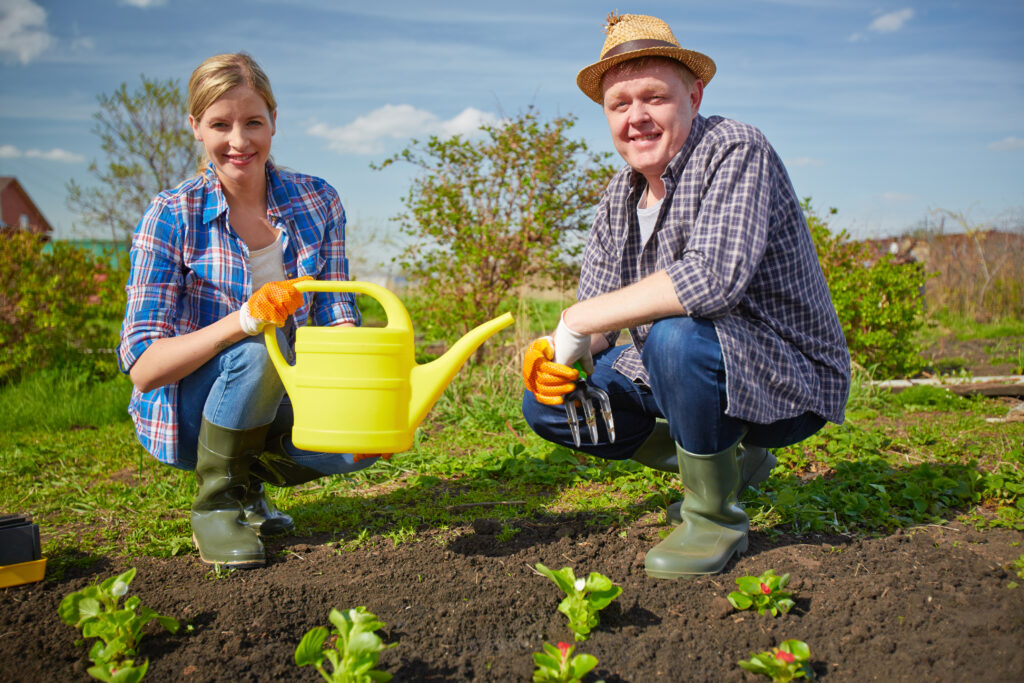

To effectively implement resilient systems, it is crucial to understand how these components interact and support one another. For instance, permaculture design focuses on creating synergistic relationships between plants, animals, and the environment, which can lead to reduced resource inputs and increased outputs. Additionally, managing water efficiently through rainwater harvesting and greywater recycling ensures that your homestead remains productive, even during dry spells.
Common mistakes include underestimating the importance of biodiversity and neglecting to plan for seasonal fluctuations. A diverse ecosystem not only promotes resilience but also enhances pest control and soil health. Prioritizing these factors helps ensure that your homestead can withstand unpredictable challenges such as climate change and resource shortages.
Understanding Permaculture Principles
Permaculture principles are fundamental to creating resilient homestead systems. These principles promote a holistic approach to design, emphasizing the interrelationships between various elements within the ecosystem. By applying these principles, homesteaders can create systems that mimic natural ecosystems, leading to increased productivity and reduced waste.

A key aspect of permaculture is zoning, which involves strategically placing elements based on their usage and care requirements. For instance, placing herb gardens near the kitchen reduces the need for long walks, while perennial plants can be positioned in zones that require less maintenance. This thoughtful layout can save time and resources, ensuring that your homestead operates efficiently.
Many homesteaders overlook the significance of observation in permaculture. Spending time observing how the land interacts with water, sunlight, and wind can reveal insights that inform better design choices. By being attentive to these natural processes, you can enhance your homestead’s resilience and productivity.
Water Management Strategies
Effective water management is crucial for resilient homestead systems. Implementing strategies such as rainwater harvesting and creating swales can significantly enhance water availability and reduce dependency on external sources. Collecting rainwater not only conserves resources but also minimizes erosion and runoff.
Swales, which are shallow trenches that hold water, can help direct runoff towards plants while preventing soil erosion. This method allows for better water retention in the landscape, ensuring that your plants receive adequate moisture during dry periods. Additionally, incorporating drip irrigation can optimize water usage, reducing waste and ensuring targeted delivery to plants.
One common mistake is failing to account for seasonal variations in water availability. Planning your water management strategies around these fluctuations ensures that your homestead remains productive throughout the year. Consider implementing backup systems, such as a well or storage tanks, to secure your water supply during droughts.
Incorporating Renewable Energy
Renewable energy sources, such as solar and wind power, are essential for creating self-sufficient homestead systems. By harnessing these resources, homesteaders can reduce their reliance on fossil fuels and lower their carbon footprint. Solar panels can provide electricity for various homestead needs, while wind turbines can supplement energy production.
Investing in energy-efficient appliances and systems can further enhance the sustainability of your homestead. For example, using energy-efficient heating and cooling systems can significantly reduce energy consumption. Additionally, incorporating passive solar design principles can optimize natural heating and cooling, making your home more comfortable and reducing energy costs.
Many homesteaders underestimate the initial investment required for renewable energy systems. However, assessing long-term savings and environmental benefits can help justify the upfront costs. Conducting energy audits can also identify areas for improvement and inform your energy management strategy.
Enhancing Biodiversity on Your Homestead
Biodiversity plays a critical role in the resilience of homestead systems. A diverse ecosystem can enhance pest control, improve soil health, and increase overall productivity. By incorporating a variety of plant and animal species, you can create a balanced environment that supports multiple functions.

Consider implementing companion planting, which involves pairing plants that benefit each other. For example, planting marigolds alongside vegetables can deter pests and attract beneficial insects. Additionally, integrating livestock into your system can provide natural fertilizer and pest control, further enhancing biodiversity.
A common pitfall is focusing solely on high-yield crops at the expense of diversity. While high yields are important, prioritizing a diverse range of species can improve resilience against pests and diseases. Aim to cultivate a mix of annuals and perennials, as well as native plants that support local wildlife.
Further Reading
Authoritative Sources
- Permaculture Institute
permaculture.orgThis resource provides comprehensive information on permaculture principles and practices, essential for building resilient homestead systems
- Environmental Protection Agency
epa.govThe EPA offers guidelines on sustainable water management practices that can be applied to homesteading
- National Renewable Energy Laboratory
nrel.govThis site provides insights into renewable energy technologies and their applications for sustainable living
- Food and Agriculture Organization
fao.orgThe FAO offers valuable resources on biodiversity and sustainable agricultural practices
Frequently Asked Questions
What are the main components of a resilient homestead system?
The main components include permaculture design, effective water management, renewable energy sources, and biodiversity enhancement.
How can I improve water management on my homestead?
Implement rainwater harvesting, create swales for runoff management, and use drip irrigation to optimize water usage.
Why is biodiversity important in homesteading?
Biodiversity enhances pest control, improves soil health, and increases overall productivity, making the system more resilient.
What renewable energy sources can I use for my homestead?
Solar panels and wind turbines are popular options for generating renewable energy on a homestead.
What mistakes should I avoid when creating a resilient homestead?
Avoid underestimating the importance of biodiversity and neglecting to plan for seasonal fluctuations in resources.
Conclusion
Creating resilient homestead systems requires a thoughtful integration of permaculture principles, effective water management, renewable energy, and biodiversity. By prioritizing these elements, you can develop a self-sufficient system that withstands environmental challenges and provides lasting resources. Focus on observation, planning, and diversity to enhance the resilience of your homestead. Start implementing these strategies today to ensure a sustainable and productive future for your homestead.