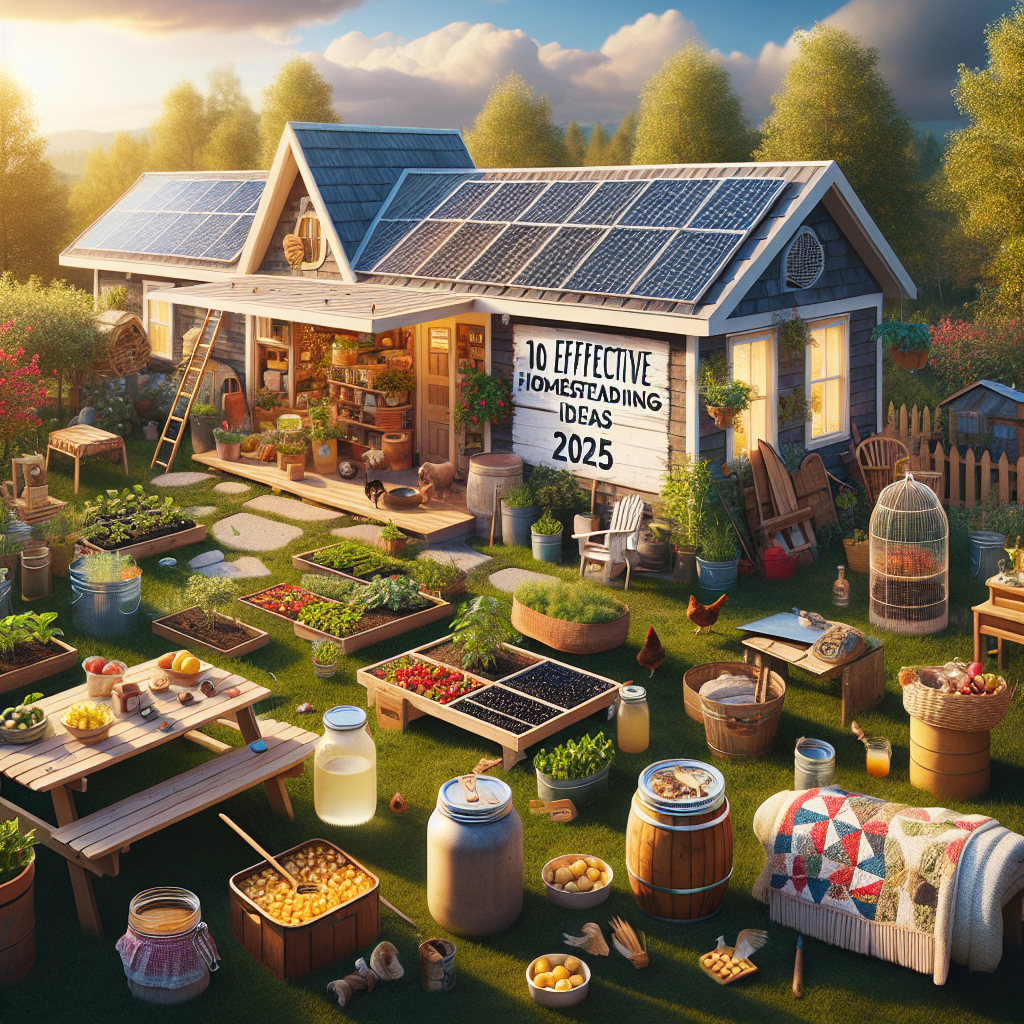

Understanding what makes a homestead sustainable goes beyond just having a garden or livestock. It involves a holistic approach to land management and resource use, recognizing the interconnectedness of various elements. For instance, implementing crop rotation can enhance soil health, while integrating animals into crop systems can improve nutrient cycling. All these factors must work in harmony to ensure sustainability.
A common mistake many homesteaders make is focusing solely on one aspect, such as food production, while neglecting other critical areas like energy use and waste management. Prioritizing an integrated system that addresses various needs simultaneously is essential for true sustainability. This includes assessing local resources, understanding climate impacts, and planning for future challenges.
Permaculture Principles for Sustainable Homesteading
Permaculture principles are foundational to creating a sustainable homestead. These principles emphasize working with nature rather than against it, fostering systems that are self-sustaining and regenerative. By designing landscapes that mimic natural ecosystems, homesteaders can cultivate a diverse range of crops and beneficial organisms.

Implementing permaculture can lead to reduced inputs and increased resilience. For example, planting companion crops can enhance pest control and improve soil health. Additionally, using native plants in landscaping can support local wildlife and reduce water usage. Prioritizing these ecological relationships is crucial for a thriving homestead.
However, many homesteaders overlook the importance of diversity in their systems. Focusing on a single crop can lead to vulnerabilities, such as pest outbreaks or soil depletion. Diversifying plantings, integrating animals, and creating microclimates can enhance the resilience of the homestead.
Energy Efficiency and Renewable Resources
Energy sustainability is a critical component of a homestead’s overall sustainability. Utilizing energy-efficient appliances and renewable energy sources, such as solar or wind, can significantly reduce reliance on fossil fuels and lower operational costs.
Investing in renewable energy systems not only decreases carbon footprints but can also provide long-term savings. For instance, solar panels can generate electricity for the homestead, while solar water heaters can reduce energy costs for heating water. Understanding local regulations and incentives for renewable energy can also aid in making informed decisions.
A common pitfall is underestimating initial setup costs. While renewable systems may require upfront investment, the long-term benefits often outweigh these costs. Prioritizing energy audits and gradually implementing efficiency measures can make the transition smoother and more manageable.
Water Conservation Techniques
Water conservation is essential for sustainable homesteading, especially in areas prone to drought. Techniques such as rainwater harvesting, drip irrigation, and greywater recycling can significantly reduce water consumption.
By capturing rainwater, homesteaders can supplement their water supply for irrigation and other non-potable uses. Implementing drip irrigation systems also minimizes water waste by delivering water directly to plant roots. These methods not only conserve water but also improve crop yields and sustainability.
Many homesteaders fail to consider the impact of their watering techniques on soil health. Overwatering can lead to erosion and nutrient leaching. Therefore, monitoring soil moisture and understanding plant water needs is vital for effective water management.

Building Soil Health and Biodiversity
Soil health is the foundation of a sustainable homestead. Healthy soil supports healthy plants, which in turn support a diverse ecosystem. Practices such as cover cropping, composting, and reduced tillage can enhance soil structure and fertility.
Using organic matter, like compost, not only enriches the soil but also promotes biodiversity by fostering beneficial microorganisms. Additionally, practicing crop rotation can prevent soil depletion and reduce the risk of pests and diseases.
A common mistake is relying heavily on synthetic fertilizers, which can degrade soil health over time. Prioritizing organic practices and understanding soil biology can lead to more sustainable and productive homesteading.
Further Reading
Authoritative Sources
- Permaculture Institute
permaculture.orgThis resource offers extensive information on permaculture principles and practices for sustainable living
- Energy Star
energystar.govProvides insights on energy efficiency and the benefits of renewable energy sources
- WaterWise
waterwise.orgA guide to water conservation techniques and practices for sustainable water management
- Soil Health Institute
soilhealth.orgOffers research and resources on building and maintaining healthy soils for sustainable agriculture
Frequently Asked Questions
What are the core components of a sustainable homestead?
The core components include energy efficiency, water conservation, soil health, and biodiversity, each contributing to self-sufficiency and ecological balance.
How can I improve soil health on my homestead?
Implement practices like composting, crop rotation, and reduced tillage to enhance soil fertility and structure while promoting beneficial organisms.
What role does water conservation play in sustainability?
Water conservation reduces consumption and protects local water resources, ensuring a reliable supply for irrigation and household needs, especially in drought-prone areas.
Why is biodiversity important in a homestead?
Biodiversity enhances resilience against pests and diseases, improves soil health, and creates a balanced ecosystem that supports various plants and animals.
What are common mistakes to avoid in sustainable homesteading?
Common mistakes include neglecting energy efficiency, over-relying on synthetic fertilizers, and failing to diversify crops, which can compromise sustainability.