
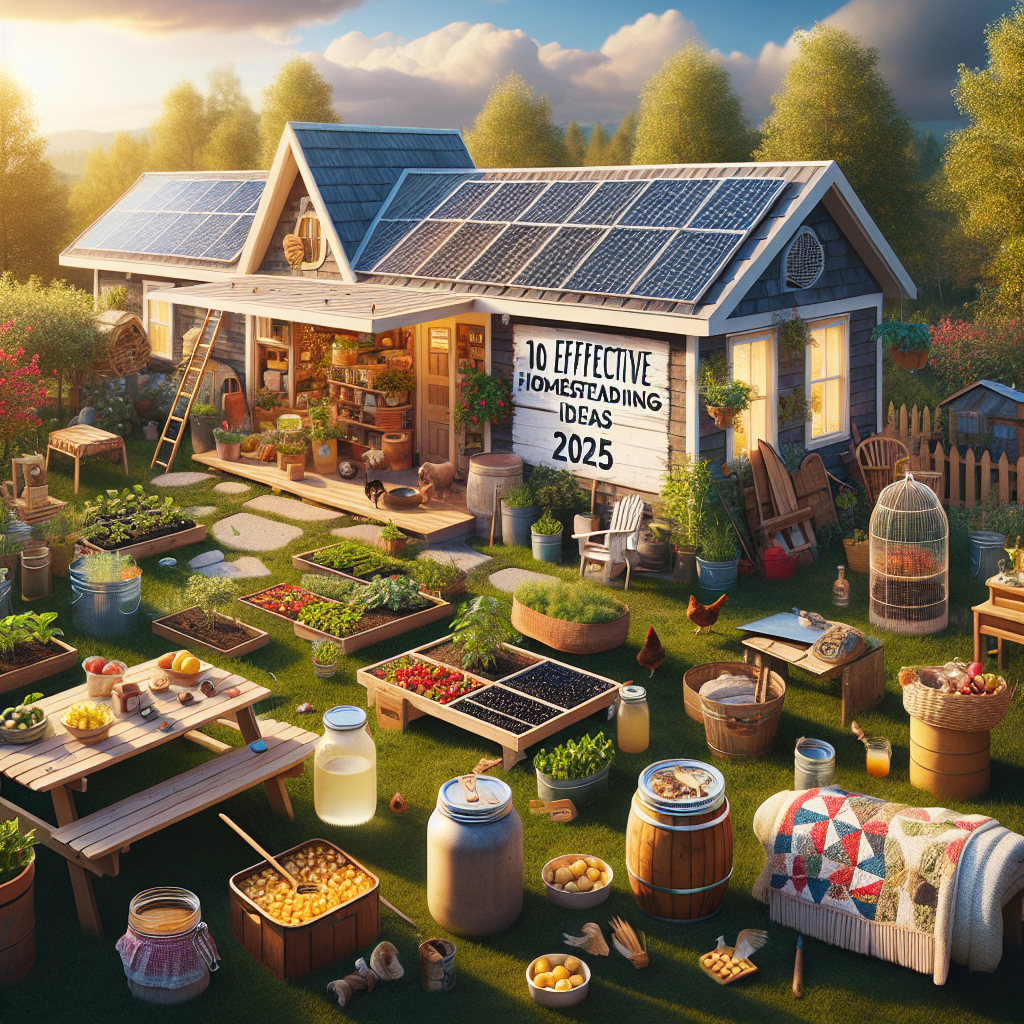
Designing a productive homestead involves careful planning of space and resources to ensure maximum yield from your land. The layout should consider sunlight exposure, wind patterns, and water sources, while also integrating areas for crops, livestock, and storage. A well-thought-out design not only enhances productivity but also supports sustainable practices, making it essential for any aspiring homesteader.
Prioritizing the arrangement of your homestead can lead to significant improvements in efficiency and output. Begin by creating distinct zones—such as vegetable gardens, orchards, and animal enclosures—that cater to specific needs. This zoning allows for better management of resources, such as water and nutrients, and can reduce competition among plants. Additionally, consider implementing crop rotation and companion planting strategies to maintain soil health and optimize space.
Understanding Land Layout
A productive homestead begins with a clear understanding of land layout. Assess your property to identify the best locations for different activities—gardening, animal husbandry, and storage. Factors such as sunlight, wind, and drainage play crucial roles in determining the optimal placement of crops and buildings. Create a map that outlines these zones to visualize how to utilize your space effectively.

When planning your layout, consider the flow of daily activities. Position the garden close to your kitchen for easy access, and place animal enclosures in a way that minimizes stress during feeding and maintenance. Additionally, think about future expansion: a flexible layout allows for growth without requiring a complete redesign.
Choosing the Right Crops
Selecting the right crops is vital for a successful homestead. Choose plants suited to your climate, soil type, and available sunlight. A diverse selection of crops can help ensure a steady supply of food throughout the year and reduce the risk of total crop failure.
Incorporating perennial crops, such as fruit trees and berry bushes, alongside annual vegetables can create a more resilient system. Consider companion planting to maximize space and enhance growth; for example, planting legumes with corn can improve soil nitrogen levels while providing shade. Always monitor plant health and make adjustments as necessary to optimize yields.
Water Management Techniques
Effective water management is crucial for maintaining a productive homestead. Establishing a reliable water source, whether through rainwater harvesting, wells, or municipal supply, is the first step. Design your layout to facilitate easy access to water for irrigation and livestock.
Consider implementing drip irrigation systems to conserve water and deliver it directly to plant roots. Additionally, using mulch can help retain soil moisture and reduce evaporation. Regularly check for leaks and inefficiencies in your system to ensure optimal water use, as this is a vital resource for productivity.

Soil Health and Fertility
Soil health is foundational to a productive homestead. Testing your soil can provide insights into its nutrient content and pH levels, allowing you to make informed decisions on amendments and fertilizers. Healthy soil supports robust plant growth and contributes to higher yields.
Incorporating organic matter, such as compost or well-rotted manure, can improve soil structure and fertility. Implementing crop rotation and cover cropping can further enhance soil health by preventing nutrient depletion and reducing pest pressures. Pay close attention to soil management practices as they directly impact the productivity of your homestead.
Frequently Asked Questions
What is the first step in designing a productive homestead?
The first step is assessing your land to understand its layout, including sunlight exposure, drainage, and existing vegetation.
How can I improve soil health on my homestead?
Improving soil health can be achieved through organic amendments, crop rotation, and cover cropping to maintain nutrients and structure.
What crops are best for a small homestead?
Choose a variety of crops that suit your climate, including both annual vegetables and perennial plants for continuous yields.
How can I manage water efficiently on my homestead?
Implementing drip irrigation and utilizing rainwater harvesting can significantly improve water management and efficiency.
What common mistakes should I avoid when designing my homestead?
Avoid overplanting in small spaces, neglecting soil health, and underestimating water needs, as these can hinder productivity.
Further Reading
Authoritative Sources
- USDA National Institute of Food and Agriculture
nifa.usda.govResearch and extension resources related to agriculture, plants, soil, and food systems.
- Extension Foundation Gardening Resources
extension.orgUniversity extension education resources for practical gardening and home agriculture topics.
- USDA Natural Resources Conservation Service
nrcs.usda.govSoil, water, conservation, and land management resources for practical growing decisions.
Conclusion
Designing a productive homestead requires thoughtful planning and consideration of various factors, including layout, crop selection, water management, and soil health. By prioritizing these elements, you can create an efficient and sustainable environment that meets your needs. Start with a clear plan and make adjustments as you learn from your experiences to continuously improve your homesteading efforts.