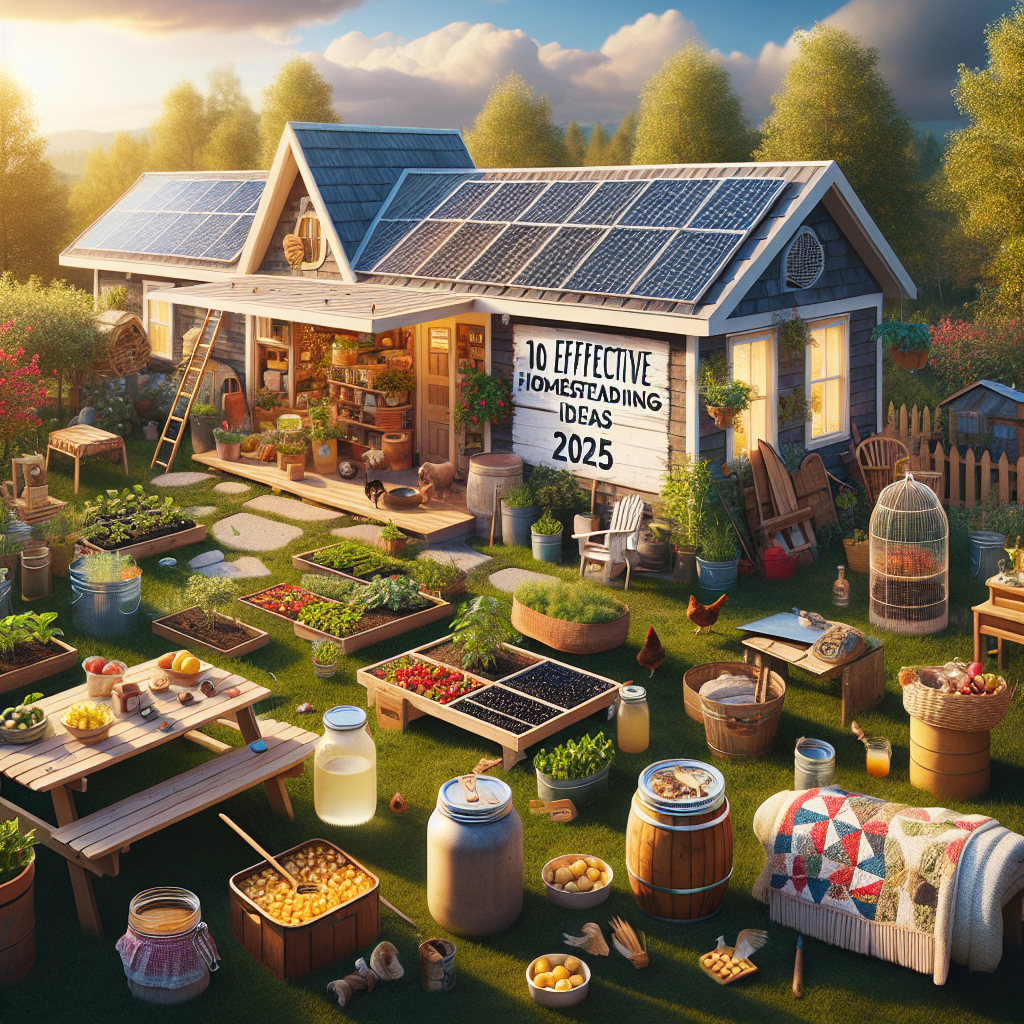
Creating the best layout for small homesteads involves careful planning to ensure that every square foot is used effectively. This means designing a space where crops, livestock, and living areas coexist harmoniously, maximizing productivity while minimizing wasted resources. Key considerations include sunlight exposure, water access, and soil quality, which all play vital roles in the success of your homestead.
When laying out your homestead, prioritize essential zones such as gardens, livestock pens, and storage areas. Each of these elements should be strategically placed to facilitate ease of movement and maintenance. For example, gardens should be located near water sources while livestock areas should be close enough to the home for monitoring and care. Common mistakes include neglecting to account for wind patterns and failing to consider the growth needs of different plants.
Understanding Space Utilization
Effective space utilization is critical for small homesteads. By analyzing the available land, you can determine the best arrangement for crops and structures. Consider the layout in terms of access, sunlight, and drainage; this will help you avoid issues such as overcrowding and poor air circulation.

To optimize space, think vertically by using trellises for climbing plants and consider companion planting to maximize yield. Additionally, raised beds can help delineate space and improve soil drainage, leading to healthier crops. One common pitfall is underestimating the size of plants at maturity, which can lead to overcrowding and competition for resources.
Planning for Crop Diversity
Diverse planting is essential for a thriving small homestead. By incorporating various species, you can improve soil health and reduce pest problems. Planting a mix of annuals and perennials can ensure a continuous harvest throughout the seasons.
When planning for crop diversity, consider the specific needs of each plant, including sunlight, water, and space requirements. Grouping plants with similar needs can simplify care and improve overall yields. A common mistake is planting too closely, which can result in reduced air circulation and increased disease risk.
Integrating Livestock and Gardens
Integrating livestock with garden areas can enhance the productivity of your homestead. Animals can provide manure for fertilization and help with pest control. However, careful planning is required to prevent overgrazing and ensure that animals do not damage crops.
Consider rotational grazing techniques to allow pastures to recover while providing fresh grazing areas for livestock. This not only maximizes land use but also promotes soil health. Pay attention to fencing and layout to keep animals confined to designated areas, avoiding conflicts with crop production.

Access and Maintenance Considerations
Access routes are vital for maintaining a small homestead effectively. Ensure that pathways are wide enough for wheelbarrows and other equipment to facilitate easy movement between different areas of the homestead. Proper access will save time and labor, allowing for more efficient maintenance.
Additionally, consider seasonal changes when planning access routes. For example, paths may become muddy in the rainy season, making it challenging to reach certain areas. Using gravel or pavers can help maintain access throughout the year. Another common mistake is neglecting to plan for future expansion, which can limit your ability to adapt as your homestead grows.
Frequently Asked Questions
What is the best layout for a small homestead?
The best layout incorporates efficient use of space for crops, livestock, and living areas, ensuring easy access and optimal conditions for growth.
How can I maximize space on a small homestead?
Maximize space by using vertical gardening techniques, raised beds, and companion planting to enhance yields without overcrowding.
What crops should I plant in a small homestead?
Focus on a mix of annual and perennial crops that suit your climate, ensuring diversity to improve soil health and pest resistance.
How do I integrate livestock into my homestead?
Integrate livestock by planning designated grazing areas and using rotational grazing to enhance soil health while preventing overgrazing.
What are common mistakes in homestead layout?
Common mistakes include overcrowding plants, neglecting access routes, and failing to account for mature plant sizes, which can lead to reduced yields.
Further Reading
Authoritative Sources
- Library of Congress Research Guides
guides.loc.govResearch guides that help readers locate reliable background sources on a wide range of subjects.
- USA.gov Official Information and Services
usa.govOfficial U.S. government information and public resources for practical reference.
- Google Scholar
scholar.google.comAcademic search resource for finding research literature and source material.
Conclusion
In summary, the best layout for small homesteads requires thoughtful planning to ensure efficient use of space and resources. Prioritize essential areas, integrate diverse crops and livestock, and maintain clear access routes to maximize productivity. By avoiding common pitfalls and considering future growth, you can create a thriving homestead that meets your goals for sustainability and self-sufficiency.