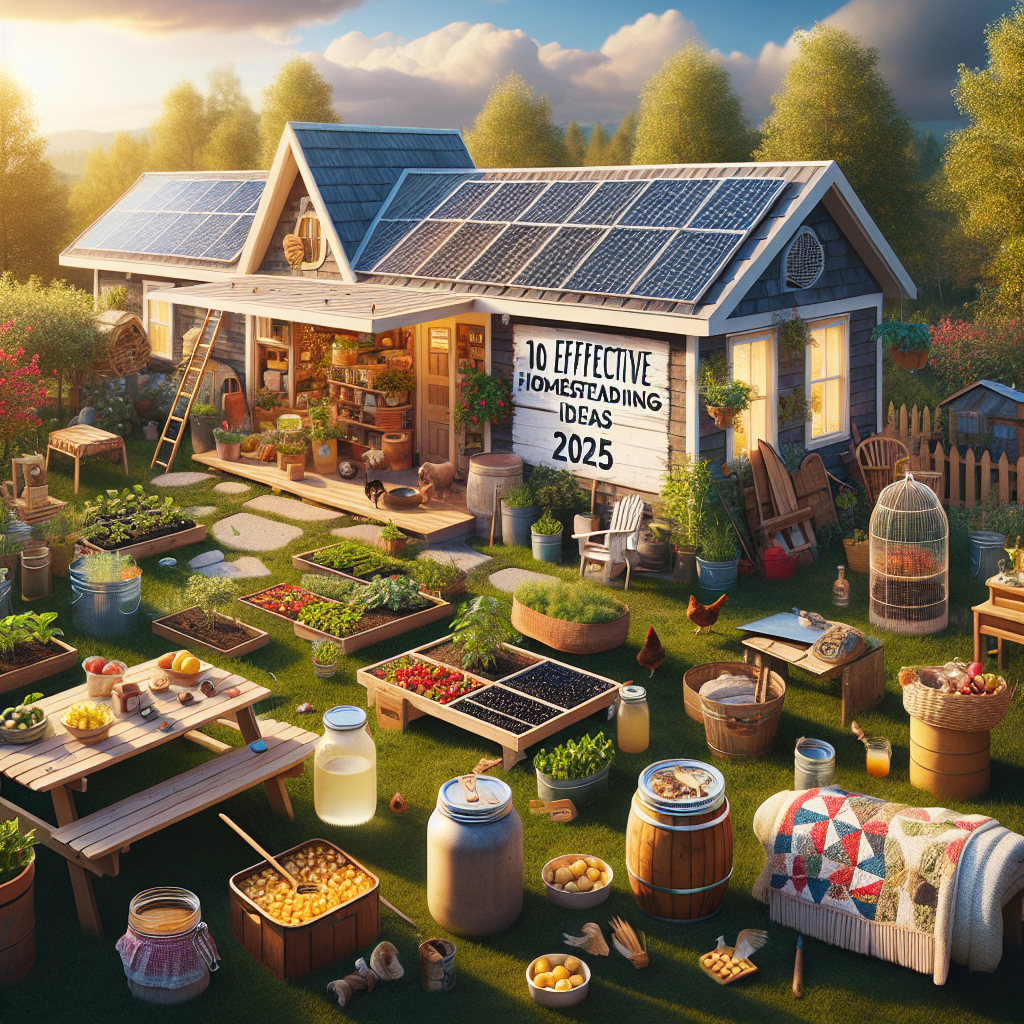
Ensure that your chosen containers provide sufficient drainage and are large enough for the plants to thrive. Using high-quality potting soil rich in nutrients will significantly enhance plant growth and yield. Additionally, maintaining proper humidity levels is vital, as indoor environments can often be too dry.
Containers are the foundation of any indoor growing setup. Using high-quality potting soil rich in nutrients will significantly enhance plant growth and yield.
Choosing the Right Containers
Containers are the foundation of any indoor growing setup. Select pots that are appropriate for the type of plants you intend to grow. Ensure they have drainage holes to prevent waterlogging, which can lead to root rot. Common choices include plastic, clay, and fabric pots, each with its own advantages.

Consider the size of the container as well; larger pots allow for deeper root systems, which can support more substantial plants. Remember that the material of the container can affect soil temperature and moisture retention. For instance, clay pots are porous and can help with moisture regulation, while plastic pots are lightweight and retain moisture better.
Lighting Solutions for Indoor Growing
Lighting is one of the most critical aspects of an indoor food growing setup. Plants require adequate light for photosynthesis, and the type of light you choose can significantly impact growth rates and yields. Natural sunlight is ideal, but for many indoor setups, grow lights are necessary.
LED grow lights are popular due to their energy efficiency and low heat output. When choosing a grow light, consider the light spectrum; plants typically benefit from a full spectrum light that mimics natural sunlight. Position your lights to ensure even coverage across all plants, and adjust the height as they grow to maintain optimal light intensity.
Watering Techniques and Schedules
Proper watering is essential for the health of your indoor plants. Overwatering is a common mistake that can lead to root rot and other issues. Establish a watering schedule based on the specific needs of your plants and the conditions of your indoor environment.
To determine when to water, check the top inch of soil; if it feels dry, it’s time to water. Use a watering can with a narrow spout to avoid disturbing the soil. Consider using self-watering pots or systems to help manage moisture levels, especially if you are prone to forgetting regular watering.
Managing Temperature and Humidity
Temperature and humidity levels play a crucial role in the growth of indoor plants. Most edible plants thrive in temperatures between 65°F and 75°F (18°C to 24°C). Use a thermometer to monitor your indoor environment and adjust as necessary, using fans or heaters to maintain ideal conditions.

Humidity is equally important; many plants prefer humidity levels between 40% and 60%. If your indoor air is too dry, consider using a humidifier or placing a tray of water near your plants to increase moisture in the air. Regularly misting the leaves can also help maintain humidity, but be cautious not to overdo it as excessive moisture can lead to mold growth.
Frequently Asked Questions
What types of plants can I grow indoors?
You can grow a variety of plants indoors, including herbs like basil and mint, leafy greens such as lettuce and spinach, and even small fruiting plants like tomatoes and peppers.
How much light do indoor plants need?
Most indoor plants require 12-16 hours of light per day. If natural light is insufficient, consider using grow lights to supplement.
How often should I water my indoor plants?
Watering frequency varies by plant type and environmental conditions, but a good rule of thumb is to check the top inch of soil; if it’s dry, it’s time to water.
What is the ideal temperature for indoor gardening?
The ideal temperature for most indoor plants is between 65°F and 75°F (18°C to 24°C). Ensure your space stays within this range for optimal growth.
How can I increase humidity for my indoor plants?
You can increase humidity by using a humidifier, placing a tray of water near your plants, or regularly misting the leaves.
Further Reading
Authoritative Sources
Conclusion
To successfully set up an indoor food growing system, prioritize choosing the right containers, ensuring adequate lighting, and maintaining proper watering and humidity levels. Each of these factors contributes significantly to the overall health and productivity of your indoor garden. By carefully managing these elements, you can enjoy fresh homegrown produce all year round. Start small, learn from your experiences, and gradually expand your indoor gardening efforts for the best results.