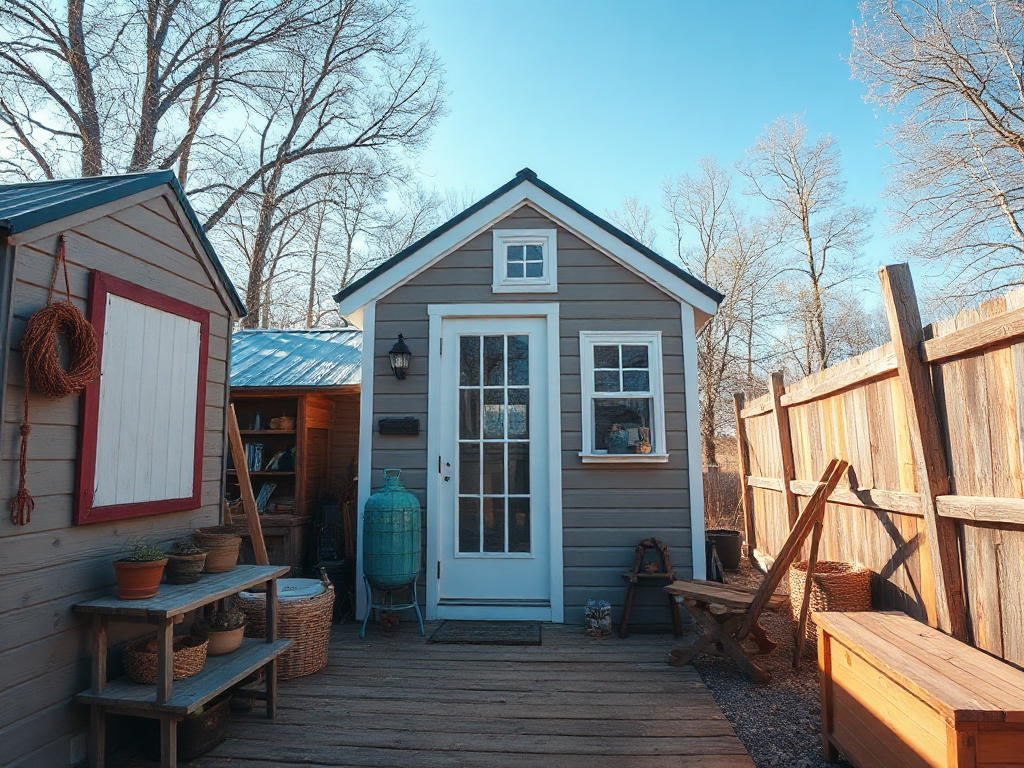
A tiny homestead layout that works effectively maximizes space while ensuring functionality and sustainability. Start by zoning areas for gardening, animal husbandry, and living quarters, ensuring each zone is easily accessible. Incorporate vertical gardening to save space and consider movable structures like portable chicken coops. Prioritize permaculture principles, which enhance biodiversity and resource efficiency. Avoid common mistakes like overcrowding or neglecting water access, which can hinder productivity.
Understanding Tiny Homestead Layouts
A tiny homestead layout is designed to optimize limited space for various functions, including gardening, livestock, and living areas. The essential goal is to create a self-sufficient ecosystem that minimizes waste and maximizes output. Successful layouts leverage principles of permaculture, which promote biodiversity and sustainable interactions between different elements. Such designs often reflect the natural landscape, enhancing both aesthetics and functionality.

Understanding the layout is crucial because it directly impacts productivity and ease of maintenance. A well-planned homestead allows for efficient movement, reducing time spent on daily tasks and ensuring that all areas are accessible. Furthermore, integrating elements like water catchment systems and composting toilets can significantly enhance the sustainability of the homestead.
Key Components of a Functional Layout
Creating a tiny homestead layout requires careful consideration of several key components. The primary elements include:
- Zones: Zones are defined areas for specific purposes, such as gardens, animal enclosures, and living spaces. Each zone should be easily accessible from one another to facilitate efficient management.
- Water Management: Water is vital for any homestead. Incorporating rainwater harvesting systems and ensuring easy access to water sources can enhance productivity.
- Soil Health: Healthy soil is the foundation of successful gardening. Incorporate composting systems and crop rotation to maintain soil fertility.
- Energy Sources: Consider renewable energy options such as solar panels or wind turbines to reduce reliance on external power sources.
Each component must work harmoniously to create an efficient system. For instance, placing gardens near living areas can reduce the time spent walking back and forth. On the other hand, keeping livestock away from vegetable plots can prevent overgrazing and soil compaction.
Practical Examples of Effective Layouts
Several layouts have proven effective for tiny homesteaders. One popular design is the keyhole garden, which maximizes space while allowing easy access to plants. This circular layout features a composting center in the middle, providing nutrients to surrounding plants.
Another effective layout is the permaculture garden, which integrates various plants and animals to create a self-sustaining ecosystem. For example, planting nitrogen-fixing legumes alongside fruit-bearing plants can enhance growth and yield.
Portable structures, like chicken tractors, allow for the rotation of livestock across different zones, promoting soil health and reducing pest populations. This method not only maximizes land use but also provides fresh forage for animals.
Common Mistakes and How to Avoid Them
Many new homesteaders make critical mistakes that can hinder their success. One common error is overcrowding areas, which can lead to competition for resources and increased pest problems. To avoid this, carefully plan the space allocation for each zone based on the expected yield and maintenance requirements.
Another mistake is neglecting to plan for water access. Ensure that all zones have reliable water sources, as this is crucial for both plants and animals. Implementing drip irrigation systems can save water and reduce labor.
All in all, failing to consider seasonal changes can impact the layout’s effectiveness. Regularly assess the layout to accommodate seasonal shifts in sunlight, wind, and precipitation, making adjustments as necessary.

For those interested in exploring more about tiny homestead layouts, consider resources that focus on sustainable living and permaculture principles. Check local libraries or online databases for books and guides that provide detailed insights into effective homesteading practices.
Frequently Asked Questions
What is a tiny homestead layout?
A tiny homestead layout is a design plan that optimizes limited space for gardening, livestock, and living areas to create a self-sufficient ecosystem.
How can I maximize space in a tiny homestead?
Maximize space by using vertical gardening techniques, movable structures like chicken tractors, and zoning areas for specific functions.
What are common mistakes in homesteading layouts?
Common mistakes include overcrowding areas, neglecting water access, and failing to account for seasonal changes in sunlight and weather.
What is permaculture?
Permaculture is a design philosophy that aims to create sustainable and self-sufficient agricultural ecosystems by mimicking natural processes.
How do I ensure soil health on my homestead?
Maintain soil health by incorporating compost, practicing crop rotation, and minimizing soil disturbance to promote biodiversity and fertility.