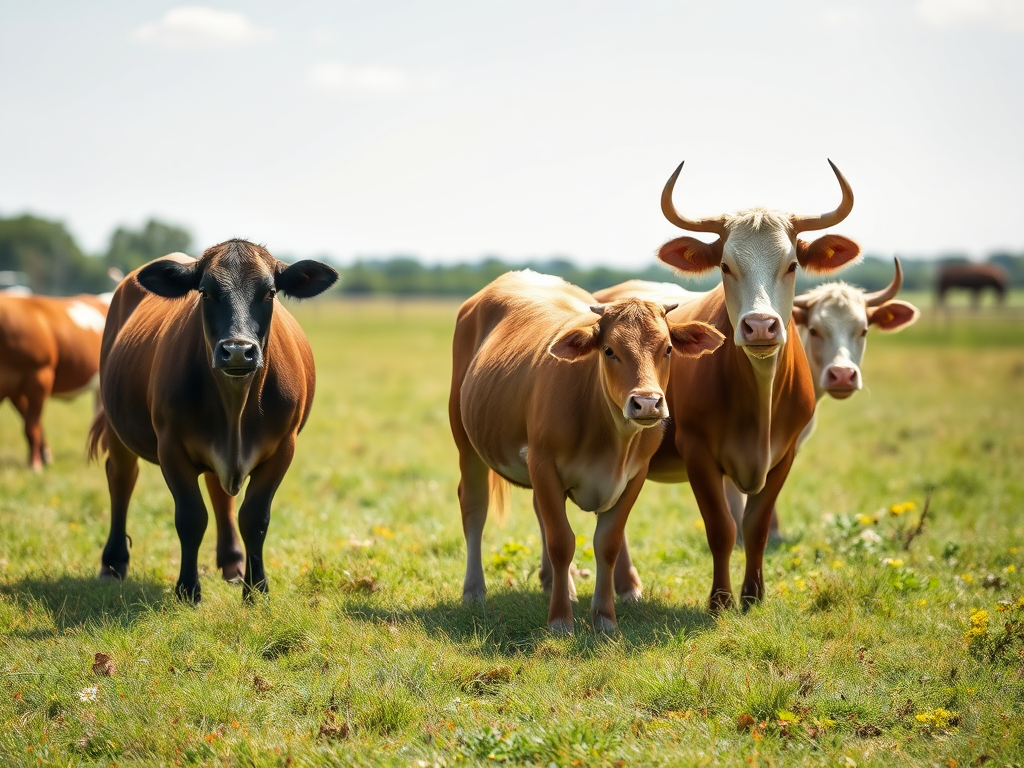
Pasture rotation for healthier livestock involves systematically moving animals between different grazing areas to enhance soil health, improve forage quality, and reduce parasite loads. This practice not only promotes better nutrient intake for livestock but also helps maintain pasture resilience, prevents overgrazing, and fosters a more sustainable farming approach. Implementing a rotational grazing schedule can lead to increased productivity and healthier herds, as well as a reduced environmental impact.
Understanding Pasture Rotation
Pasture rotation is an agricultural practice where livestock are moved between different grazing areas, allowing pastures to rest and recover. This method is essential for maintaining healthy soil, improving forage quality, and promoting the overall well-being of livestock. By rotating animals through various sections of pasture, farmers can optimize the use of available land while minimizing the risk of overgrazing.

The underlying principle of pasture rotation is to mimic natural grazing patterns found in wildlife. In the wild, animals graze in one area before moving on, allowing the vegetation time to recover. This approach not only enhances the growth of grasses and legumes but also contributes to a more balanced ecosystem. Healthy pastures support a diverse range of plant species, which in turn attracts beneficial insects and wildlife.
Benefits of Pasture Rotation
Implementing a pasture rotation system offers numerous benefits for both livestock and the environment. One of the primary advantages is improved soil health. Rotating livestock allows for better nutrient distribution and reduces soil compaction, leading to enhanced water infiltration and root growth. Healthier soils produce more nutritious forage, which translates to better animal health and productivity.
Additionally, pasture rotation helps manage parasite loads effectively. By moving livestock to fresh pastures, the life cycles of parasites are interrupted, reducing their prevalence and the need for chemical treatments. This not only benefits the animals but also aligns with organic farming principles, promoting a more sustainable approach to livestock management.
Another significant benefit is the reduction of feed costs. Well-managed pastures can provide ample forage for livestock, decreasing dependency on supplemental feeds. As a result, farmers can improve their profit margins while ensuring their animals receive a balanced diet.
Implementing a Rotation Plan
Creating an effective pasture rotation plan requires careful consideration of several factors, including pasture size, livestock type, and seasonal changes. A well-structured plan typically involves dividing the pasture into several smaller sections, each designated for grazing during specific intervals. A common approach is to rotate livestock every 3 to 7 days, depending on the growth rate of the forage and the number of animals in the herd.
Monitoring the condition of pastures is crucial to the success of any rotation plan. Farmers should assess the regrowth of grasses and legumes before allowing livestock back into a previously grazed area. This monitoring can be supported by visual inspections or using tools like the “take half, leave half” rule, which suggests grazing only half of the available forage to ensure adequate recovery.
Moreover, incorporating diverse plant species in grazing areas can further enhance the benefits of pasture rotation. By mixing grasses, legumes, and forbs, farmers can create a more resilient pasture ecosystem that supports greater biodiversity and provides a wider range of nutrients for livestock.
Common Mistakes in Pasture Rotation
While pasture rotation can significantly benefit livestock health and pasture quality, several common mistakes can undermine its effectiveness. One of the most frequent errors is failing to allow adequate recovery time for pastures. Overgrazing can lead to soil degradation and reduced forage quality, ultimately harming livestock health and productivity.
Another common mistake is not properly assessing pasture conditions before rotating livestock. Rushing to return animals to a grazed area can prevent the necessary regrowth of plants, leading to a cycle of degradation. It’s essential to have a clear understanding of the growth patterns of the forage species present and to adapt the rotation schedule accordingly.
Farmers should also avoid using the same rotation strategy year after year without adjustments. Environmental factors such as weather patterns, soil conditions, and livestock needs can change, necessitating periodic revisions to the grazing plan. Flexibility and adaptability are key to maintaining the health of both livestock and pastures.

For those looking to dive deeper into pasture rotation, consider exploring resources from agricultural extensions or local farming organizations. They often provide valuable insights, research, and case studies that can help in developing a successful pasture management strategy.
Frequently Asked Questions
What is pasture rotation?
Pasture rotation is the practice of moving livestock between different grazing areas to allow pastures to recover, improve soil health, and enhance forage quality.
How does pasture rotation benefit livestock?
It improves nutrient intake, reduces parasite loads, and promotes better overall health and productivity among livestock.
What are the key elements of a pasture rotation plan?
A successful plan includes dividing the pasture into sections, establishing grazing intervals, and monitoring forage regrowth before returning livestock.
How often should livestock be rotated?
Livestock should typically be rotated every 3 to 7 days, depending on pasture growth and the number of animals grazing.
What mistakes should I avoid in pasture rotation?
Avoid overgrazing, returning livestock too soon to grazed areas, and using the same rotation strategy without adjustments based on changing conditions.
Conclusion
Pasture rotation is a vital practice for maintaining healthy livestock and sustainable grazing systems. By understanding the principles of pasture rotation, implementing a well-structured plan, and avoiding common pitfalls, farmers can significantly enhance the health of their animals and the quality of their pastures. Prioritizing soil health, monitoring pasture conditions, and being adaptable to changes will ensure long-term success and resilience in livestock management.
Further Reading
Authoritative Sources
- CDC Nutrition
cdc.govOfficial public-health nutrition guidance and data.
- USDA FoodData Central
fdc.nal.usda.govOfficial food composition and nutrient data.
- MedlinePlus Health Information
medlineplus.govConsumer health information from the U.S. National Library of Medicine.
- NIH Office of Dietary Supplements
ods.od.nih.govEvidence-based fact sheets about vitamins, minerals, supplements, and nutrition.