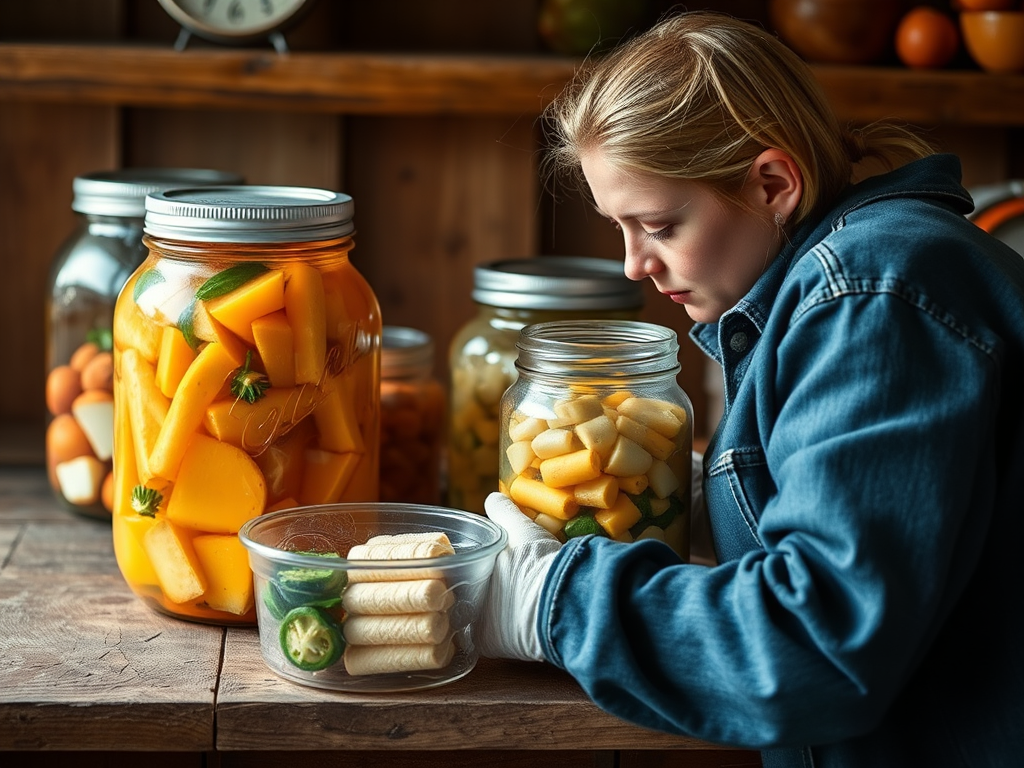
Common mistakes in food preservation techniques often stem from improper methods, such as using the wrong canning process for specific foods, neglecting to sterilize jars, and failing to maintain appropriate headspace. These errors can lead to spoilage and foodborne illnesses. To avoid these pitfalls, always refer to reliable resources for tested recipes and ensure your equipment is in optimal condition. Additionally, monitoring storage temperatures and practicing cleanliness during food handling are essential to extend the shelf life of your preserved items effectively.
Understanding Food Preservation Techniques
Food preservation techniques are essential for extending the shelf life of food, maintaining nutritional value, and preventing spoilage. However, many people make common mistakes that can compromise the quality and safety of preserved foods. Recognizing these errors is crucial for effective preservation.
Food preservation methods vary widely, including canning, freezing, drying, and fermenting. Each method has its own set of best practices and potential pitfalls. Understanding how to properly execute these methods can prevent waste and ensure that food remains safe to consume.
Common Mistakes in Canning
Canning is a popular method for preserving fruits and vegetables, but it requires precise techniques to avoid spoilage and foodborne illness. One of the most significant mistakes in canning is not using the correct canning method for the type of food being preserved. For example, low-acid foods like green beans require pressure canning, while high-acid foods like tomatoes can be water bath canned.
Another common error is not ensuring that jars are properly sterilized before filling them. This can introduce harmful bacteria into the jars, leading to spoilage. Additionally, failing to leave adequate headspace when filling jars can prevent proper sealing, allowing air to enter and spoil the contents.
To avoid these pitfalls, always follow tested recipes from reliable sources such as the USDA or local extension services. Ensure that your canning equipment is in good condition and that you adhere to recommended processing times and pressure levels.
Freezing Failures: What to Avoid
Freezing is a convenient way to preserve food, but several common mistakes can lead to poor results. One major issue is not blanching vegetables before freezing. Blanching helps preserve color, flavor, and nutritional value by inactivating enzymes that can cause spoilage. Skipping this step can result in loss of quality over time.
Another frequent mistake is overcrowding the freezer. When too much food is placed in the freezer at once, it can raise the temperature, causing food to freeze unevenly. This can lead to freezer burn and loss of texture and flavor. It’s essential to spread items out initially and allow them to freeze before stacking them together.
To maximize freezing success, use airtight packaging and label items with dates to keep track of storage times. Regularly check the temperature of your freezer to ensure it remains at 0°F (-18°C) or lower.
Drying and Dehydration Missteps
Drying is another effective preservation method, but it comes with its own set of challenges. One common mistake is not using the right temperature for dehydration. Different foods require specific drying temperatures to ensure proper moisture removal without compromising safety. For instance, fruits should be dried at lower temperatures than meats.
Moreover, failing to properly store dried foods can lead to moisture reabsorption and spoilage. Dried foods should be kept in airtight containers in a cool, dark place to maintain quality. Many people also overlook the importance of checking for signs of spoilage, such as off odors or visible mold.

To successfully dehydrate foods, invest in a quality dehydrator and familiarize yourself with the optimal drying times and temperatures for various items. It’s also wise to test the dryness of foods before storing them to ensure they are adequately dehydrated.
Frequently Asked Questions
What are the most common mistakes in food preservation?
Common mistakes include improper sealing, inadequate temperature control, and neglecting cleanliness, which can lead to spoilage.
How can I ensure my canned food is safe?
Use proper canning methods, sterilize jars, and follow tested recipes to ensure safety.
What is the importance of blanching before freezing?
Blanching helps preserve color, flavor, and nutritional value by inactivating spoilage enzymes.
How can I tell if dried food is spoiled?
Signs of spoilage include off odors, visible mold, or changes in texture.
What is the best way to store dehydrated foods?
Store dried foods in airtight containers in a cool, dark place to maintain quality.
Conclusion
Understanding and avoiding common mistakes in food preservation techniques is vital for ensuring safety and quality. By following best practices in canning, freezing, and drying, you can effectively extend the shelf life of your foods while maintaining their flavor and nutritional value. Prioritize proper methods, cleanliness, and storage conditions to achieve the best results in your food preservation efforts.