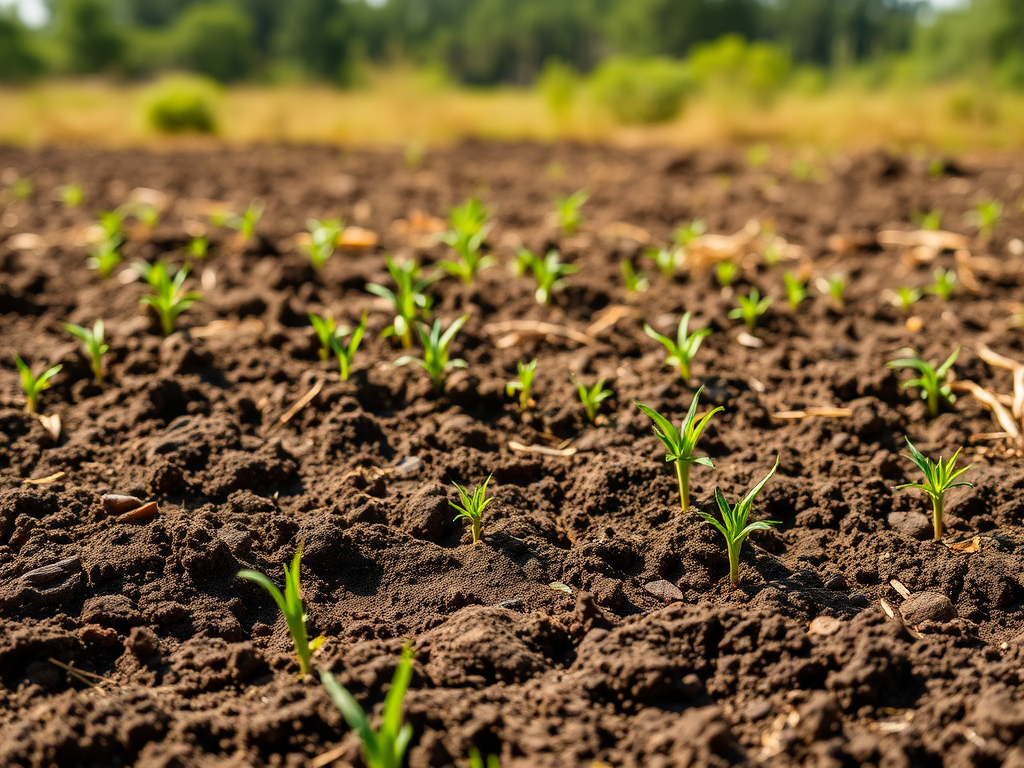
To evaluate land for homesteading potential, prioritize soil quality, water access, and zoning laws. Conduct soil tests to determine fertility and nutrient levels, as poor soil can lead to low crop yields. Ensure a reliable water source is available, such as a well or nearby body of water, to support irrigation and livestock needs. Additionally, familiarize yourself with local zoning regulations to avoid future complications with land use. A thorough assessment of these elements will help you create a sustainable and productive homestead.
Assessing Soil Quality
Soil quality is one of the most critical factors when evaluating land for homesteading potential. The fertility of the soil directly affects your ability to grow crops and sustain livestock. Conducting a soil test will help determine its pH, nutrient levels, and organic matter content, which are pivotal for successful gardening and farming.
High-quality soil typically contains a balanced mix of clay, sand, and silt, which promotes good drainage and nutrient retention. Additionally, look for signs of soil erosion or compaction, as these can hinder plant growth and soil health. A common mistake is underestimating the importance of soil testing, which can lead to poor crop yields and increased costs in the long run.
For example, if you find that the soil is too acidic, you may need to amend it with lime to improve its pH level. Similarly, if nutrient levels are low, incorporating compost or fertilizers may be necessary. Prioritize soil health to ensure a productive homestead.
Evaluating Water Sources
Reliable water sources are essential for any homestead. When evaluating land, consider proximity to rivers, lakes, or aquifers. Access to clean water is vital not just for drinking but also for irrigation, livestock, and sanitation. Check local regulations regarding water rights and usage, as these can significantly impact your homesteading plans.
Assess the quality of available water as well. Contaminated water can pose health risks and may require expensive filtration systems. It’s also important to consider seasonal variations in water availability. For instance, if you are near a river, research its flow during dry seasons to ensure you have enough water year-round.
A common oversight is neglecting to plan for water storage solutions, such as rainwater harvesting systems or water tanks. These can provide additional reserves during dry spells. Implementing a comprehensive water management plan can enhance the sustainability of your homestead.
Understanding Zoning Regulations
Zoning regulations dictate how land can be used and developed, making them crucial to consider when evaluating land for homesteading. Familiarize yourself with local zoning laws that pertain to agricultural land use, building permits, and livestock ownership. These regulations can vary widely by location and can affect everything from the types of animals you can keep to how many structures you can build.
One common mistake is assuming that all land is suitable for homesteading without checking for zoning restrictions. Failing to comply with local regulations can lead to fines or forced removal of structures. For example, some areas may have restrictions on the types of agricultural practices allowed or may require specific permits for building a barn or greenhouse.
Additionally, consider future development plans in the area that may affect your land’s use. Researching local government plans can provide insights into potential changes that could impact your homesteading activities.

Analyzing Climate and Topography
The climate and topography of your chosen land significantly influence what you can grow and how to manage your homestead. Different crops thrive in specific climates, so understanding the growing season, average rainfall, and temperature extremes is essential. For instance, if you’re in a region with short growing seasons, you may need to choose fast-maturing crops or invest in season extension techniques like greenhouses.
Topography also plays a role in land evaluation. Flat land is generally easier to cultivate, while hilly or uneven terrain may require more effort for farming and building. Moreover, slopes can impact water drainage and erosion, affecting soil health and crop productivity.
Common pitfalls include failing to account for microclimates within your property, which can affect growing conditions. For example, areas shielded by trees may maintain moisture better than open fields. Assess the landscape thoroughly to maximize your homesteading potential.
For those looking to dive deeper into the intricacies of land evaluation for homesteading, consider the following resources:
Popular Questions
How can I create a clear Table of Contents for my homesteading guide?
Start by outlining all major topics you want to cover, such as gardening, livestock, and sustainable living. Break each section into smaller, manageable subtopics to ensure comprehensive coverage. Use logical order and headings that guide readers through the content seamlessly.
What are the benefits of including a detailed Table of Contents in my homesteading article?
A detailed Table of Contents helps readers quickly find the information they need, improving their overall experience. It also organizes your content logically, making complex topics easier to navigate. This structure encourages readers to explore all sections of your post thoroughly.
How do I update my Table of Contents as my homesteading content evolves?
Regularly review your Table of Contents to add new topics or reorganize existing ones based on new information or reader feedback. Keep it aligned with your article's structure to maintain clarity. Updating ensures your content remains relevant and easy to navigate for your audience.