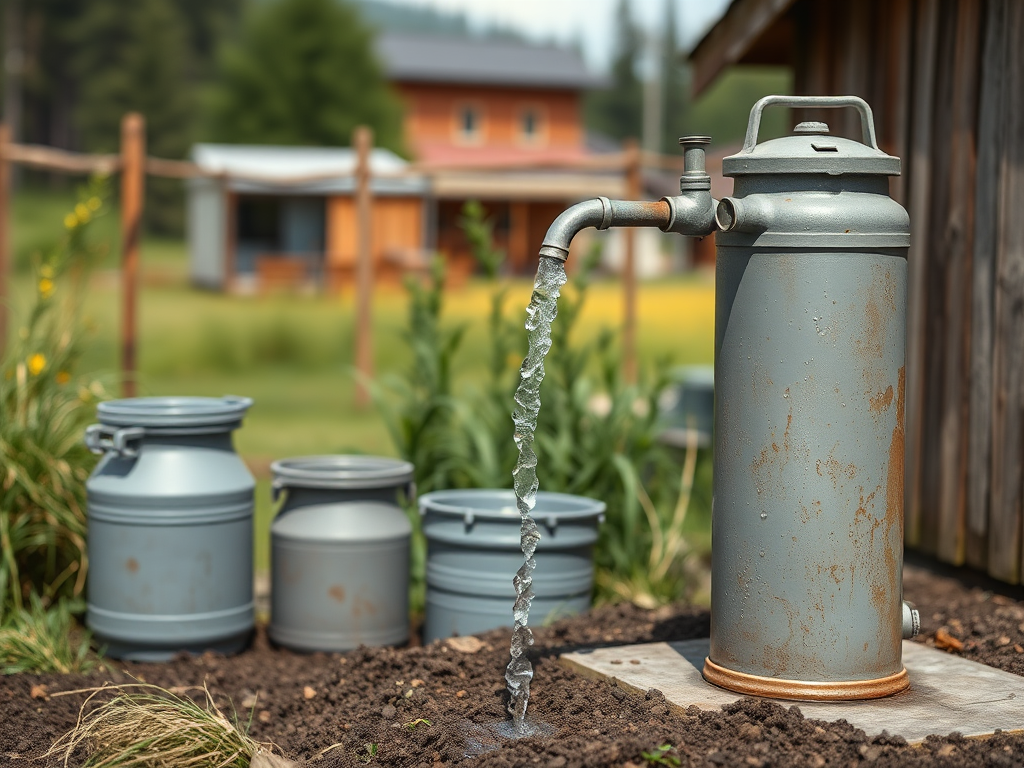
To ensure a reliable water supply for your homestead, implement a combination of rainwater harvesting, well drilling, and water storage solutions. Rainwater harvesting allows you to collect and store precipitation, which can significantly reduce dependence on other sources. When drilling a well, consider the depth and location to access clean groundwater effectively. Regular maintenance of these systems is vital to prevent contamination and ensure optimal performance. Additionally, familiarize yourself with local regulations regarding water rights to maintain compliance and sustainability in your water management practices.
Understanding Water Sources
Reliable water supply is foundational for any homestead, influencing everything from crop irrigation to livestock care. The primary sources of water for homesteading include surface water, groundwater, and rainwater. Surface water is typically sourced from rivers, lakes, or ponds, while groundwater is accessed through wells. Understanding the pros and cons of each source is essential for effective planning.
Surface water can be abundant but may be subject to seasonal variations and pollution. Groundwater, accessed via wells, can provide a consistent supply but may require significant investment in drilling and maintenance. Additionally, rainwater harvesting offers a sustainable option that can supplement other sources, especially in regions with adequate rainfall.
A common misconception is that all water sources are equally safe and reliable. It’s crucial to assess water quality and availability throughout the year, as this can impact both health and agricultural productivity. Prioritizing a multi-source approach can mitigate risks associated with relying on a single water source.
Rainwater Harvesting Systems
Rainwater harvesting is an effective method for ensuring a reliable water supply, particularly in regions with significant rainfall. This system involves collecting and storing rainwater from roofs and other surfaces for later use. The key components of a rainwater harvesting system include gutters, downspouts, storage tanks, and filtration systems.
Implementing a rainwater harvesting system begins with assessing your roof area and rainfall patterns. Calculate the potential volume of water you can collect based on local precipitation data. For instance, one inch of rainfall on a 1,000 square foot roof can yield approximately 600 gallons of water.
It’s vital to install proper filtration to ensure that collected rainwater is safe for use, particularly if intended for drinking. Regular maintenance, including cleaning gutters and inspecting storage tanks for leaks, is essential to prevent contamination. One common mistake is neglecting the filtration system, which can lead to health risks.
Drilling a Well
Drilling a well can provide a dependable source of groundwater, but it requires careful planning and consideration of local regulations. The process involves selecting a suitable site, obtaining necessary permits, and hiring a professional drilling company. Understanding the geology of your area can help determine the depth and yield potential of your well.
Before drilling, conduct a hydrogeological survey to assess water availability and quality. This can help avoid costly mistakes and ensure that the well will meet your needs. Once drilled, proper well maintenance is crucial. Regularly test water quality to check for contaminants and ensure the well is functioning correctly.
A common misconception is that once a well is drilled, little maintenance is required. In reality, wells need regular inspections and maintenance to ensure water quality and prevent issues such as sediment buildup or pump failure. Investing in a good quality well pump and regular servicing can enhance the longevity of your water supply.
Water Storage and Management
Effective water storage and management are critical for maintaining a reliable water supply on your homestead. Utilizing storage tanks can help buffer against dry spells and ensure a steady supply for irrigation and household needs. The size and type of storage system should be tailored to your specific water usage and collection methods.
Consider installing above-ground or underground tanks based on space availability and budget. Above-ground tanks are generally easier to install and maintain, while underground tanks can save space and provide insulation against temperature fluctuations.

Proper management practices include regularly checking for leaks, maintaining tank cleanliness, and monitoring water levels. A common mistake is underestimating the importance of tank maintenance, which can lead to contamination and reduced water quality. Incorporating a regular maintenance schedule can help avoid these issues and ensure your water supply remains reliable.
Frequently Asked Questions
What are the best methods for collecting rainwater?
The best methods include using gutters and downspouts to direct rainwater into storage tanks, ensuring proper filtration and maintenance.
How deep should a well be for reliable water supply?
The depth of a well depends on local geology but typically ranges from 100 to 500 feet to access reliable groundwater.
How often should I test my water quality?
Water quality should be tested at least once a year, and more frequently if there are changes in taste, odor, or color.
What size water storage tank do I need?
Tank size should be based on your daily water usage and collection capacity; a typical homestead may require 1,000-5,000 gallons.
Can I use rainwater for drinking?
Yes, but it must be properly filtered and treated to ensure safety before consumption.
Conclusion
Ensuring a reliable water supply for your homestead involves a multifaceted approach that includes understanding various water sources, implementing rainwater harvesting, drilling a well, and maintaining effective storage systems. Each method has its own benefits and challenges, so consider your specific needs and local conditions. Regular maintenance and quality testing are essential to sustain your water supply and ensure it remains safe for all uses. By prioritizing these strategies, you can create a resilient and sustainable water management plan for your homestead.