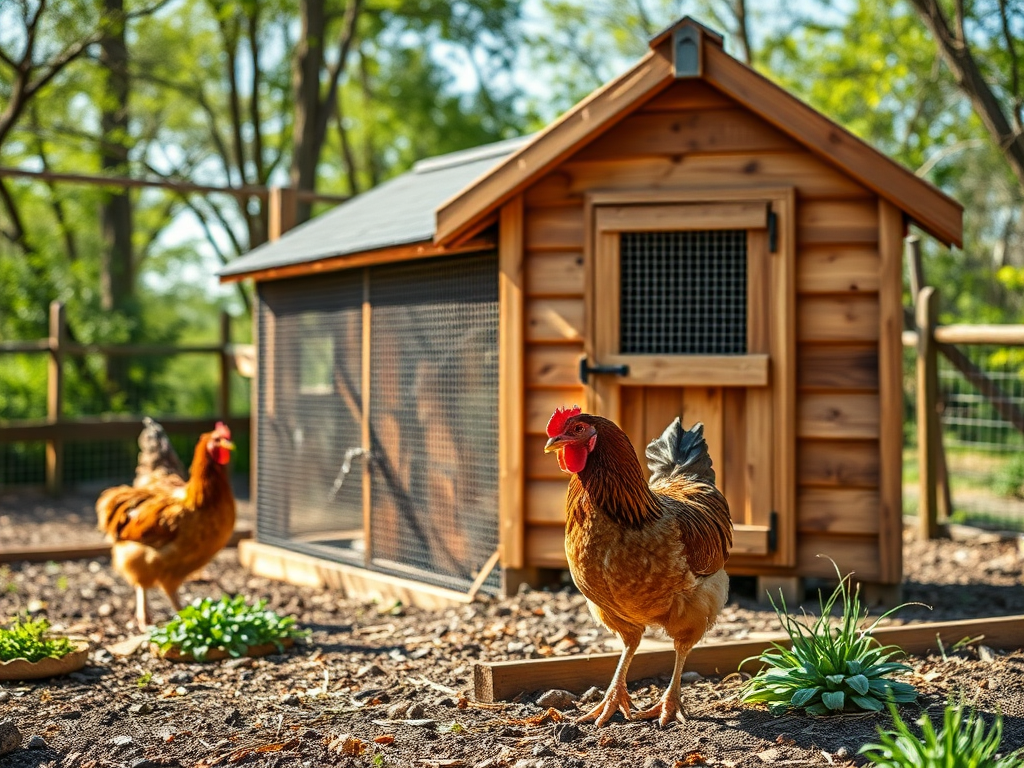
To design a sustainable chicken coop, focus on creating a safe and healthy environment for your chickens while minimizing your ecological footprint. Incorporate features such as proper ventilation and insulation to maintain optimal temperatures, and ensure ample space for your flock, including nesting boxes and perches. Using recycled materials for construction and non-toxic finishes can significantly reduce environmental impact. Additionally, consider integrating a secure outdoor run that allows for natural foraging, which promotes both the well-being of your chickens and the overall sustainability of your homestead.
Essential Features of a Sustainable Chicken Coop
A sustainable chicken coop must provide a safe, healthy environment for your chickens while minimizing environmental impact. The primary features include proper ventilation, insulation, and ample space for the flock. Good ventilation is essential to prevent moisture buildup and ammonia accumulation, which can harm your chickens’ respiratory health. Insulation helps maintain a stable temperature, ensuring the comfort of the birds in extreme weather conditions.
Another critical feature is the inclusion of nesting boxes and perches. Nesting boxes should be placed in a quiet area of the coop, allowing hens to lay eggs without disturbance. Perches should be higher than the nesting boxes, encouraging chickens to roost at night, which is their natural behavior. This design not only enhances the well-being of the chickens but also promotes egg production.
In closing, consider incorporating a run space that allows chickens to forage and exercise. This outdoor area should be secure from predators and provide shade and shelter from harsh weather. A well-designed coop and run will create a harmonious environment, contributing to the overall sustainability of your homestead.
Choosing Eco-Friendly Materials
When designing a sustainable chicken coop, the materials you choose play a significant role in its environmental impact. Opt for recycled or reclaimed wood for the coop structure, as this reduces the demand for new lumber and minimizes waste. Additionally, using non-toxic paints and sealants is essential to ensure the health of your chickens.
Consider using metal roofing for durability and longevity, as it can withstand harsh weather conditions better than traditional materials. Metal roofs also reflect sunlight, helping to keep the coop cooler in summer. For flooring, choose materials that are easy to clean and maintain, such as concrete or treated wood, which can withstand moisture and prevent the growth of mold.
Moreover, think about incorporating natural materials like straw or hay for bedding. These materials are biodegradable and can provide excellent insulation and comfort for the chickens. When they break down, they can be composted, contributing to a circular waste system in your homestead.
Layout Considerations for Optimal Functionality
The layout of your chicken coop is crucial for ensuring functionality and ease of use. Start by determining the number of chickens you plan to keep, as this will dictate the size of the coop and run. A general guideline is to provide at least 4 square feet of interior space per chicken and 10 square feet of run space.
Design the coop with easy access points for cleaning and egg collection. A hinged roof or removable panels can facilitate maintenance tasks, making it easier to manage waste and keep the coop hygienic. Additionally, ensure that the coop is designed with predator-proof features, such as strong latches and buried fencing, to protect your flock.
Consider the placement of windows for natural light and ventilation. Windows should be positioned to allow for cross-ventilation without creating drafts. This will help maintain a comfortable temperature and improve the overall air quality inside the coop.
Renewable Energy Solutions for Your Coop
Incorporating renewable energy solutions into your chicken coop design can enhance sustainability and reduce reliance on non-renewable resources. Solar panels are an excellent option for powering lights, heating systems, and ventilation fans. They can significantly lower your energy costs and provide a reliable power source for your coop.
Consider installing a solar water heater to ensure a constant supply of warm water for your chickens during colder months. This can be particularly beneficial for maintaining optimal health and productivity in your flock. Additionally, using energy-efficient LED lights can minimize electricity consumption while providing sufficient illumination for the coop.

Another innovative solution is to use a rainwater harvesting system. Collecting rainwater from the coop roof can provide a sustainable water source for your chickens, reducing the need for municipal water and lowering your environmental footprint.
Frequently Asked Questions
What size should a chicken coop be for 10 chickens?
A chicken coop for 10 chickens should ideally provide at least 40 square feet of interior space and 100 square feet of outdoor run space.
How can I keep my chicken coop warm in winter?
Insulate the coop, use a heat lamp if necessary, and ensure proper ventilation to prevent moisture buildup while retaining heat.
What materials are best for chicken coop flooring?
Concrete, treated wood, or durable rubber mats are excellent choices for chicken coop flooring, as they are easy to clean and resistant to moisture.
How do I protect my chickens from predators?
Use strong latches on doors, bury fencing at least a foot underground, and consider installing an electric fence to deter predators.
Can I use recycled materials for building a chicken coop?
Yes, using recycled materials is a sustainable choice that can save costs and minimize environmental impact when building a chicken coop.
Further Reading
Authoritative Sources
Conclusion
Designing a sustainable chicken coop requires careful consideration of several factors, including essential features, materials, layout, and renewable energy solutions. By prioritizing natural ventilation, using eco-friendly materials, and creating an efficient layout, you can ensure a healthy environment for your chickens while minimizing your environmental impact. Incorporating renewable energy can further enhance sustainability and reduce operational costs. As you embark on this project, focus on the needs of your flock and the practical aspects of maintaining a functional, eco-friendly coop.